© 2025 Messer Cutting Systems, Inc.

A Cnc Plasma Cutter can look impressive on a showroom floor and still disappoint on a busy shop table. Buyers need more than an amperage figure. They should compare cut quality, motion accuracy, duty cycle, consumable costs, software, and service support. Small details matter: a clean edge on 6 mm steel, reliable torch height control, and replacement parts that arrive on time. Jim Colt, a longtime plasma-cutting applications specialist, offers a useful buying principle: judge the torch, motion system, and consumables as one complete system. This is a paraphrase, not a verified verbatim quotation.
Automation is changing the context. The International Federation of Robotics’ World Robotics 2024 report counted 4.28 million industrial robots operating worldwide in 2023. That figure is not specific to plasma cutting, but it shows why connected, repeatable production matters to manufacturers. This guide compares ten CNC plasma cutters for sale in 2026, focusing on practical fit for fabrication shops, maintenance teams, and serious small businesses. Some machines favor speed; others prioritize affordability or simpler setup. There is no universal winner. A low purchase price can hide higher operating costs, and advertised cutting capacity may not reflect everyday production quality. Check the maker’s specifications, warranty terms, and local support before buying. Then match the machine to your actual materials, workload, floor space, and operator experience. One caution: published performance claims are not always directly comparable. Test cuts tell you more.
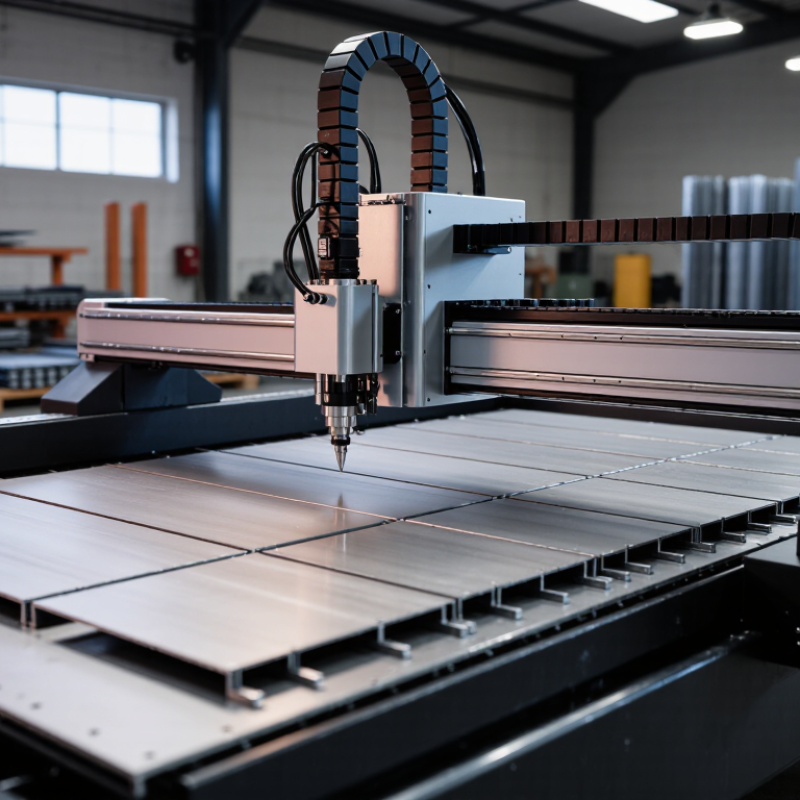
A CNC plasma cutter turns a digital drawing into a controlled cut through electrically conductive metal. The operator prepares the geometry in CAD/CAM software and sets cut paths, lead-ins, and travel speed. The machine controller converts those instructions into torch movements along the table’s axes. Small details matter. A height-control system can adjust the torch as sheet metal bends or warps.
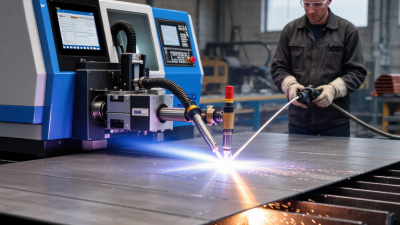
At the torch, an electrical arc ionizes gas and creates a high-temperature plasma jet. The jet melts a narrow path, while the gas stream pushes molten metal through the cut. A work clamp completes the electrical circuit, and metal slats support the sheet while allowing sparks and debris to fall. It is a loud process. Proper ventilation and suitable eye and hand protection help reduce exposure to fumes, light, and hot material.
Cut quality depends on material thickness, torch height, consumable condition, and travel speed. Move too quickly, and the arc may not cut fully through; move too slowly, and excess dross can cling to the edge. Operators inspect the cut face and adjust settings when needed. In practice, a clean drawing does not guarantee a clean edge. Real sheets can be warped, and that is easy to underestimate.
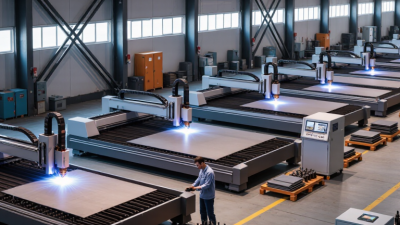
Start with the metal you actually cut. A machine rated for thick plate may struggle to produce clean edges on thin sheet. Compare recommended cutting capacity, not just the maximum pierce rating. Ask for a sample cut in your own material, then inspect the edge for bevel, dross, and heat distortion. A neat showroom cut proves little.
Duty cycle matters. So do table rigidity, torch-height control, motion accuracy, and the availability of replacement consumables. The International Energy Agency’s Energy Efficiency 2023 report puts industry at about 37% of global energy use, making power consumption worth checking alongside cutting speed. Numbers can mislead. Compare energy use under realistic workloads, not idle specifications. Also check whether the extraction system can manage fumes at your planned throughput.
Consider the shop’s workload, too. World Steel Association data records 1,882.6 million tonnes of global crude steel production in 2024, but that scale does not tell you which cutter suits your floor. Match the machine to your material mix, sheet size, and daily cutting hours. Test the nesting software and confirm that operators can adjust settings without guesswork. I would not choose on advertised speed alone; it is easy to overrate. Ask about service response times, training, and the cost of routine wear parts before committing.
A useful 2026 shortlist matches each machine to a real workload. Consider ten configurations: a compact 40-amp shop cutter; a 60-amp general-purpose table; an 80-amp unit for thicker plate; a high-definition system for fine details; a portable cutter for repair work; a water-table setup for smoke control; a downdraft table for limited floor space; a large-format gantry for sheet jobs; a bevel-capable system for edge preparation; and an automated production cell with material handling. Availability and specifications vary by seller. Check current listings carefully.
Choose by tested cutting capacity, not the biggest number on a brochure. Ask for sample cuts in your usual steel thickness, then inspect edge taper, dross, and hole quality. Verify table dimensions, torch height control, software compatibility, electrical supply, consumable availability, and service response times. A small shop may value simple setup over speed. I would still reserve money for extraction and replacement parts; those costs are easy to underestimate. One detail is often missed.
Tips: Request a written quote that lists included torch parts, delivery, installation, and warranty terms. Confirm whether the price includes the table and controller. Photograph a sample cut beside a ruler, and record its settings. That record can help reveal inconsistent results later.
Comparing the top 10 CNC plasma cutters for sale in 2026 means looking beyond advertised speed. Rated cutting thickness may describe a slow severance cut, not a clean production edge. Check the machine’s recommended cutting range, duty cycle, and amperage together. Numbers can mislead. A small fabrication shop cutting 6 mm steel has different needs from a workshop processing thick plate every day.
Features shape both cut quality and daily workload. Torch height control helps maintain a steadier distance as sheet surfaces vary. Table size should fit common job dimensions, with room for loading and safe handling. Also compare motion accuracy, software compatibility, consumable availability, and fume extraction provisions. A fast machine is less useful when frequent setup changes or worn consumables interrupt production.
Applications matter just as much as specifications. Sign makers may value fine detail on thin sheet, while repair shops often need flexible handling of varied shapes and materials. For repeat production, inspect how easily the cutter holds consistent dimensions across several parts. Ask for sample cuts in your usual material and thickness. One comparison can still miss real shop conditions, so record edge bevel, dross, and actual cutting time during a trial.
A practical comparison of common CNC plasma table configurations, from compact workshop systems to industrial production setups. Entries are equipment categories, not specific branded machines.
| No. | Cutter Configuration | Typical Plasma Output | Typical Quality-Cut Range* | Common Table Size | Key Features | Best-Suited Applications |
|---|---|---|---|---|---|---|
| 1 | Compact hobby CNC plasma table | 30–45 A | About 1–6 mm steel | 600 × 600 mm to 1,200 × 1,200 mm | Small footprint, basic torch-height control, suitable for light-duty cutting | Small brackets, signs, craft projects, and occasional thin-sheet work |
| 2 | Entry-level 4 × 4 ft workshop table | 40–65 A | About 1–10 mm steel | 1,200 × 1,200 mm | Compact full-sheet workflow for smaller stock, CNC motion control, optional water tray | Repair shops, small fabrication businesses, and general-purpose parts |
| 3 | Standard 4 × 8 ft fabrication table | 45–85 A | About 1–16 mm steel | 1,200 × 2,400 mm | Common sheet format, automatic torch-height control, nesting-software compatibility | Sheet-metal components, brackets, panels, and job-shop production |
| 4 | Heavy-duty 5 × 10 ft table | 65–105 A | About 2–20 mm steel | 1,500 × 3,000 mm | Larger working envelope, reinforced gantry, fume-control options | Structural parts, equipment panels, and medium-volume fabrication |
| 5 | High-definition plasma production table | Typically 100–200 A, depending on system | Often about 3–25 mm steel, depending on process and material | Commonly 1,500 × 3,000 mm or larger | Designed for improved edge quality and repeatability; may include process controls and gas management | Production parts, close-tolerance profiles, and applications requiring cleaner cut edges |
| 6 | Large-format 6 × 12 ft table | 65–125 A | About 2–25 mm steel | 1,800 × 3,600 mm | Handles larger sheets, reduces repositioning, available with water or downdraft beds | Large panels, machine frames, construction components, and plate work |
| 7 | Industrial thick-plate plasma system | 125–200 A | About 6–40 mm steel | Typically 1,500 × 3,000 mm or larger | Higher-capacity power source, heavy-duty drive components, industrial fume extraction | Thick plate, heavy equipment parts, and demanding fabrication workloads |
| 8 | Plasma table with oxy-fuel station | Plasma typically 65–200 A; oxy-fuel capacity depends on setup | Plasma for thin-to-medium plate; oxy-fuel for thicker mild steel | Commonly 1,500 × 3,000 mm or larger | Combines plasma cutting speed on thinner stock with oxy-fuel capability for thick carbon steel | Mixed-thickness steel shops and plate-processing operations |
| 9 | Tube-and-pipe CNC plasma cutter | Typically 45–125 A | Depends on tube wall thickness, material, and cutting process | Rotary chuck; capacity varies by tube diameter and length | Rotary axis supports cuts around round, square, or rectangular sections | Handrails, frames, tube joints, structural tubing, and pipe profiles |
| 10 | Multi-axis bevel plasma system | Typically 100–200 A | Varies with bevel angle, material, and cut-quality requirements | Commonly 1,500 × 3,000 mm or larger | Tilting torch head can produce angled edges for weld preparation; advanced programming required | Weld-prep parts, structural fabrication, and complex plate components |
Note: Cutting ranges are indicative typical-use ranges, not guaranteed machine specifications. Results vary with the power source, consumables, material type, thickness, cutting speed, and desired edge quality. Maximum severance capacity is generally higher than the thickness range for consistent production-quality cuts. Plasma cutting requires electrically conductive materials.
Top 10 CNC Plasma Cutters for Sale in 2026?
Choose a cutter around the metal you actually process, not its maximum advertised capacity. Record your usual material, thickness, sheet size, and weekly cutting hours. A machine rated for thicker plate may struggle with thin sheet if its settings lack control. Check the cutting table’s working area, torch height control, and required electrical supply. Measure the shop floor, too; a table that cannot fit through the doorway is no bargain.
The American Welding Society estimated that the United States would need 330,000 welding professionals by 2028. That workforce forecast is useful context: consider whether operators can access training and technical support, not only machine specifications. Compare duty cycle, consumable availability, and compatible design software. Ask for a sample cut on your own material. Inspect the edge for dross, bevel, and heat distortion. Specs can look perfect on paper. Real cuts may disagree.
© 2025 Messer Cutting Systems, Inc.