China Top 10 CNC Plasma Cutting Machine Suppliers

Choosing among China’s top 10 CNC plasma cutting machine suppliers requires more than comparing online prices. A reliable supplier should demonstrate stable production, practical engineering experience, and responsive after-sales support. This article examines manufacturers offering the Cnc Plasma Cutting Machine for metal fabrication, structural steel, workshops, and industrial production.

Real performance appears on the shop floor. A capable machine should produce clean cuts on steel plates, maintain consistent torch height, and reduce slag around corners. Buyers should examine cutting thickness, table size, plasma power, motion accuracy, software compatibility, and consumable availability. Factory videos help, but they do not replace a live demonstration or sample-cut inspection. Ask for test results using your own material whenever possible.

Supplier credibility also matters. Look for documented quality procedures, experienced technicians, export records, and clear warranty terms. A dependable company should explain installation, operator training, maintenance schedules, and replacement-part support without vague promises. Communication speed can reveal future service quality. Small details matter.

This ranking-style guide compares ten notable Chinese suppliers through product range, customization ability, customer feedback, technical support, and overall value. It does not treat the lowest quotation as the best choice. A cheaper machine may create higher costs through downtime, inaccurate cuts, or difficult repairs. Still, supplier information changes, and no list is flawless. Readers should verify certifications, specifications, references, and current service coverage before purchasing. Careful comparison remains essential.
China Top 10 CNC Plasma Cutting Machine Suppliers

What Is a CNC Plasma Cutting Machine?

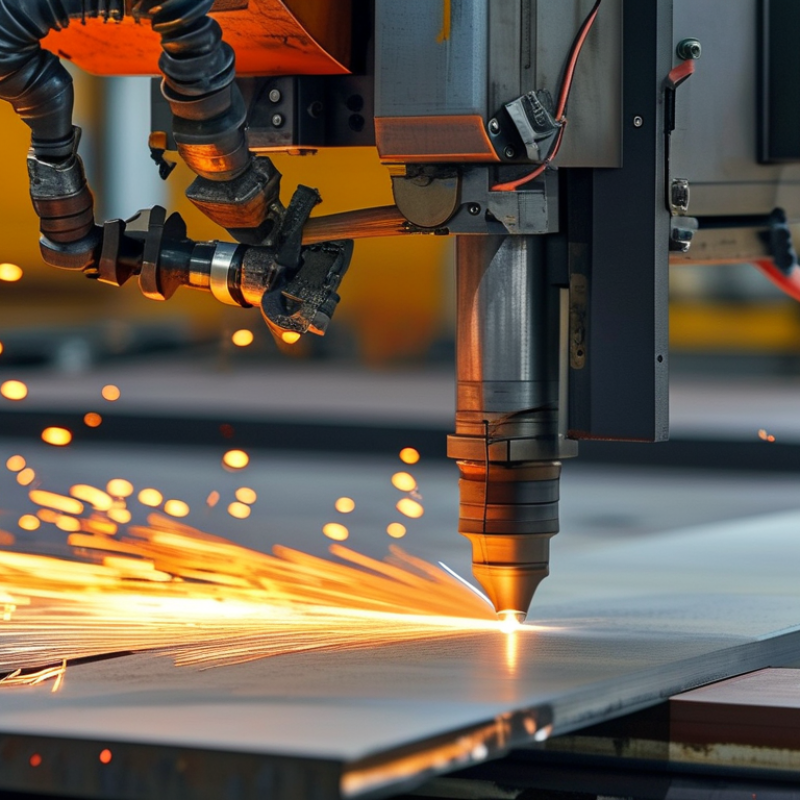
A CNC plasma cutting machine is a computer-controlled tool for cutting electrically conductive metal. It uses an electrical arc to ionize compressed air or another suitable plasma gas. The energized gas becomes a narrow, extremely hot jet. The torch follows programmed coordinates from a digital drawing. This produces consistent shapes with less manual measuring. It commonly cuts mild steel, stainless steel, and aluminum. The arc is hot. It cannot cut wood, plastic, or other nonconductive materials.

In a working shop, the operator secures the metal sheet on a grounded cutting table. The CNC controller then manages torch movement, cutting speed, and pierce height. A clean cut depends on amperage, gas pressure, material thickness, and torch distance. Small errors can create rough edges, excess dross, or a wider kerf. Settings matter. A test cut on scrap metal often reveals problems before production begins. Operators should also inspect cables, consumables, ventilation, and protective equipment before use.

When comparing CNC plasma cutting machines, buyers should examine the cutting table size, rated thickness, motion accuracy, software compatibility, and service documentation. Claimed speed alone can be misleading. In practical trials, a slower setting may produce a cleaner edge and reduce finishing work. I have found that thin sheet metal can expose vibration quickly, while thicker plate demands stable power and careful piercing. No machine performs perfectly under every condition. Regular calibration and honest sample testing remain essential.
What Is a CNC Plasma Cutting Machine?

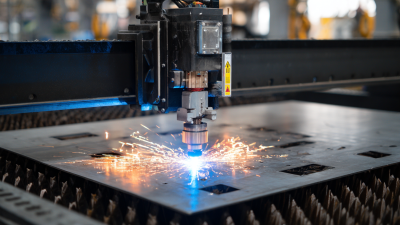
A CNC plasma cutting machine uses a computer-controlled torch to create a high-temperature plasma arc that melts electrically conductive metal. The torch follows programmed toolpaths to produce accurate cuts in materials such as steel, stainless steel, aluminum, and copper.

The chart compares approximate melting points of common conductive metals used with CNC plasma cutting. Plasma arcs are significantly hotter than these melting points, allowing the machine to melt and remove metal efficiently. Actual cutting performance depends on material grade, thickness, torch power, gas selection, and cutting speed.

Key Factors for Evaluating Chinese CNC Plasma Suppliers

China Top 10 CNC Plasma Cutting Machine Suppliers

Key Factors for Evaluating Chinese CNC Plasma Suppliers

Selecting a Chinese CNC plasma supplier requires more than comparing online prices. I once focused too heavily on cutting speed and underestimated torch height control. That mistake created uneven edges on 12 mm carbon steel. A reliable evaluation begins with a live cutting test using your actual material, thickness, and drawing files. Ask for measured kerf width, bevel angle, piercing time, and hourly production data. Photos are not enough.

Inspect the machine’s frame, guide rails, cables, control cabinet, and grounding system. A heavy welded bed should show consistent alignment, not only fresh paint. Request factory inspection records and test the table under continuous operation. Check whether the power source, torch consumables, nesting software, and motion controller match your maintenance skills. Small compatibility issues can stop production.

Supplier reliability also depends on documentation and support. Review technical manuals, wiring diagrams, warranty terms, spare-parts availability, and response times. Ask for references from companies using similar steel grades and workloads. Verify quality certificates and compliance documents for your destination market. Remote assistance is useful, but it cannot replace local training or clear troubleshooting procedures. Some suppliers promise twenty-four-hour support, yet their answers remain vague. That deserves careful questioning. Evaluate communication before purchase, because delays often appear after installation.

China’s Top 10 CNC Plasma Cutting Machine Suppliers

China’s Top 10 CNC Plasma Cutting Machine Suppliers

China’s top 10 CNC plasma cutting machine suppliers serve steel fabrication, agricultural equipment, and structural workshops. Their machines commonly support mild steel, stainless steel, and aluminum cutting. A practical evaluation should examine torch height control, gantry rigidity, nesting software, and service response.

MARKET OUTLOOK Grand View Research estimated the global plasma cutting machine market at about USD 1.6 billion in 2023. Its forecast also indicates steady growth through 2030. This trend reflects demand for faster plate processing and reduced material waste. In daily production, a stable torch can leave cleaner edges on 12-millimeter steel. That detail matters more than a polished catalog.

Technical evidence should guide supplier comparisons. Buyers can request ISO 9001 documentation, cutting samples, duty-cycle data, and electrical compliance records. The International Trade Administration reports that China remains a major manufacturing and machinery-export base, but supplier quality still varies. Some machines look impressive during demonstrations. Long-term accuracy may tell a different story. Check repeatability after several hours, not only the first cut.

Independent tests should measure kerf width, piercing time, consumable life, and downtime. MarketsandMarkets has identified automation and digital manufacturing as important drivers across the CNC equipment sector. Remote diagnostics can therefore reduce troubleshooting delays. However, software support is sometimes overlooked. A reliable supplier should provide operator training, spare-part availability, and clear warranty terms. Price alone is a weak filter. Incomplete technical comparisons can create expensive surprises later.

Product Types, Technologies, and Industry Applications

China Top 10 CNC Plasma Cutting Machine Suppliers

Product Types, Technologies, and Industry Applications

CNC plasma cutting machines differ by table design, power range, and automation level. Standard flatbed models suit carbon steel sheets, plates, and structural parts. Tube-cutting systems handle round, square, and rectangular profiles. Portable units fit repair work, small workshops, and irregular job sites. High-definition plasma improves edge quality on medium and thick materials. Some systems combine plasma with oxy-fuel torches for greater thickness flexibility.

Modern machines use CAD/CAM software, automatic height control, and THC sensors. These features maintain torch distance when plates are uneven. Arc-start technology can reduce failed piercings and electrode wear. Water tables limit dust and cool the workpiece. Downdraft tables work well in enclosed production areas, but they require effective filtration. Cut quality varies. Kerf width, bevel angle, and consumable life should be checked through real samples.

Tips: Match the power source to your usual material thickness, not the maximum advertised capacity. Ask suppliers for test cuts using your steel grade and thickness. Inspect motion accuracy, nesting software, service response, and replacement-part availability. Automotive frames, agricultural equipment, construction components, and metal furniture each need different settings. A machine may appear efficient during a demonstration, yet perform poorly with warped plates or frequent batch changes. That possibility deserves attention. Record cutting speed, pierce time, slag formation, and operator adjustments before making a purchasing decision.

How to Choose the Right Chinese CNC Plasma Supplier

Choosing a Chinese CNC plasma supplier requires more than comparing prices. The World Steel Association reported 1.88 billion tonnes of global crude steel production in 2023. That volume supports strong fabrication demand, but it does not guarantee machine quality. Ask for cutting samples using your actual steel grade, thickness, and drawing files. Check kerf width, bevel angle, pierce marks, and edge smoothness.

Request traceable evidence. A reliable supplier should provide inspection records, electrical schematics, component specifications, and operator training plans. Confirm the machine’s duty cycle and torch height control under continuous production. The 2024 International Federation of Robotics report recorded 541,302 industrial robot installations worldwide in 2023. This reflects rising factory automation, so verify software compatibility with your loading, nesting, or robotic systems.

Audit the factory if possible. Look at calibration practices, spare-parts storage, and how technicians handle failed components. A polished demonstration video is not enough. Ask for three customer references in similar industries. No scorecard is perfect. My own selection method would still include a paid trial, because promised tolerance can change after installation. Clarify response times, remote support limits, warranty exclusions, and training language. Also verify export documentation and applicable electrical and machinery requirements for your destination. A cheaper machine may become expensive when consumables, downtime, and delayed technical support are counted.

China Top 10 CNC Plasma Cutting Machine Suppliers - How to Choose the Right Chinese CNC Plasma Supplier
Supplier Profile Typical Machine Category Plasma Power Range Recommended Cutting Capacity Common Working Area Drive and Motion System Control Features Available Compliance Documents Service Capability to Verify Best Fit
Supplier Profile 01 Entry-level gantry plasma table 63–100 A Carbon steel up to approximately 12–20 mm, depending on material and duty cycle 1,500 × 3,000 mm Rack-and-pinion transmission; stepper motors Automatic torch height control; FastCAM or equivalent nesting support CE declaration, electrical safety file, quality-management documentation Remote commissioning, English manuals, spare-parts list Small workshops
Supplier Profile 02 Standard production plasma table 100–125 A Carbon steel up to approximately 20–25 mm for regular production 1,500 × 3,000 mm or 2,000 × 4,000 mm Helical rack-and-pinion; servo or closed-loop stepper drive Automatic THC, CAD/CAM compatibility, torch collision protection CE-related technical documents, ISO 9001 certificate where applicable Video acceptance test, operator training, standard warranty terms General fabrication
Supplier Profile 03 Heavy-duty CNC plasma cutting table 125–200 A Carbon steel up to approximately 25–40 mm, subject to power-source specifications 2,000 × 4,000 mm or 2,000 × 6,000 mm Heavy welded gantry; servo motors; linear guide or rack system Arc-voltage height control, automatic probing, nesting and remnant management Machine risk assessment, electrical schematics, export compliance documents Factory acceptance test, installation support, preventive-maintenance schedule Medium-volume production
Supplier Profile 04 Plasma and oxy-fuel combination machine 100–200 A plasma; oxy-fuel torch option Plasma cutting for medium plate; oxy-fuel cutting for thicker carbon steel 2,000 × 4,000 mm to 2,500 × 8,000 mm Dual-drive gantry; servo transmission; reinforced rails Multiple torch control, automatic gas ignition, height sensing CE documentation, gas-system safety records, machine drawings Gas-system training, torch calibration procedure, on-site service option Structural steel work
Supplier Profile 05 High-definition plasma cutting system 130–300 A High-quality production cuts commonly specified from thin sheet to approximately 30–50 mm 2,000 × 4,000 mm or larger Precision servo gantry; rigid rails; automatic calibration High-definition cutting modes, kerf compensation, lead-in and lead-out control OEM power-source documentation, CE file, quality-control records Cutting-parameter database, sample-cut report, application engineering Precision fabricators
Supplier Profile 06 Compact CNC plasma table 45–85 A Thin and medium carbon-steel sheet, generally up to approximately 12–16 mm 1,000 × 2,000 mm or 1,500 × 3,000 mm Compact rack drive; stepper motors; modular frame Integrated THC, USB file transfer, basic nesting software Basic CE documentation and electrical test records to be confirmed Replacement parts availability, remote troubleshooting, simple setup Training and prototyping
Supplier Profile 07 Tube and plate plasma cutting machine 100–200 A Flat plate and round or square tube cutting within the specified rotary-axis range 1,500 × 3,000 mm or 2,000 × 4,000 mm Servo gantry with rotary chuck or pipe attachment Tube nesting, rotary-axis interpolation, automatic torch height control Mechanical drawings, rotary-axis specifications, electrical documentation Tube sample test, software training, fixture and chuck support Tube and profile processing
Supplier Profile 08 Water-table CNC plasma machine 100–200 A Medium and thick plate cutting with reduced smoke, heat and slag dispersion 1,500 × 3,000 mm to 2,000 × 6,000 mm Corrosion-resistant gantry components; rack-and-pinion drive Automatic water-level control, THC, plate alignment function Water-table design drawings, electrical documents, safety instructions Water-management guidance, consumables list, corrosion-prevention advice Indoor production environments
Supplier Profile 09 Enclosed or downdraft plasma cutting system 100–200 A Thin to medium plate cutting with integrated fume extraction requirements 1,500 × 3,000 mm or 2,000 × 4,000 mm Enclosed gantry; servo or closed-loop drive system Fume-control interface, automatic THC, safety interlocks Guarding documentation, electrical schematics, risk-assessment records Ventilation specification, installation drawings, safety training Safety-sensitive facilities
Supplier Profile 10 Customized large-format plasma line 200–400 A or multi-torch configuration Large plate processing; final capacity depends on power source, torch number and duty cycle 2,500 × 6,000 mm to 3,000 × 12,000 mm Heavy-duty dual-drive gantry; servo motors; precision rack system Multi-torch synchronization, automatic nesting, production data interface Complete technical file, factory inspection records, customized compliance package Project engineering, installation supervision, service-level agreement Large steel service centers
Note: Cutting capacity, accuracy, duty cycle, consumable life and compliance status vary by configuration. Before purchasing, request a signed technical specification, sample-cut test, factory acceptance checklist, warranty terms and documentation for the exact machine configuration.