What Is the Best CNC Plasma Table in 2026?
Choosing the best Cnc Plasma Table in 2026 is not about finding the largest machine or the lowest price. It is about matching cutting performance with your real workshop needs. A small fabrication shop may value a compact 4-by-4-foot bed, while a production team may need a 5-by-10-foot platform, automatic torch height control, and reliable material handling.
This guide examines the details that affect daily results. We consider cut quality, piercing speed, motion accuracy, software compatibility, consumable costs, and after-sales support. A table that cuts clean steel beautifully may struggle with warped sheets or thin aluminum. That difference matters. It appears clearly beside the machine, where dross, rough edges, and repeated adjustments consume time.
We also compare manufacturer specifications with practical ownership experience. Published amperage ratings can look impressive, yet they may not explain duty cycles, ventilation needs, or long-term maintenance. Real reliability is often found in small features, such as accessible wiring, replaceable slats, stable grounding, and responsive technical support. Not every workshop needs premium automation. Sometimes, a simpler system is easier to repair and more economical.
There is no universal winner. That is the uncomfortable part. Your ideal Cnc Plasma Table depends on materials, workload, budget, floor space, and operator skill. We may overlook a promising model, because field conditions vary. Still, this evaluation aims to provide clear evidence, practical comparisons, and honest limitations before you invest.
What Defines the Best CNC Plasma Table in 2026?
What defines the best CNC plasma table in 2026 is not cutting speed alone. It is predictable performance, safe operation, and measurable production value. Grand View Research valued the global CNC machine market at USD 86.83 billion in 2022, with strong growth forecast through 2030. That expansion raises expectations for automation. It also makes vague specifications less acceptable. The best table should match material thickness, daily workload, workshop space, and operator skill.
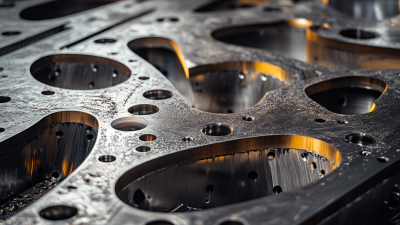
A serious evaluation starts with repeatable tests. Cut a 6 mm mild-steel plate, then inspect the edge for taper, dross, and heat distortion. ISO 9013 classifies thermal-cut edge quality, giving buyers a useful reference beyond advertising claims. Automatic torch-height control matters when plates are slightly warped. A rigid frame, reliable cable routing, and a stable water or downdraft system matter too. Small details become expensive during an eight-hour shift. Very expensive.
MarketsandMarkets identifies mechanized cutting and automation as important growth areas in the plasma cutting machine sector. However, automation should not hide weak maintenance access or poor training support. Record cut time, consumable wear, energy use, and rejected parts for several weeks. My practical concern is simple: one impressive sample proves little. A table that cuts accurately on Monday may drift after vibration, dust, or careless setup. The definition of “best” should therefore include serviceability, documented tolerances, operator protection, and honest total operating cost. Some buyers may still overvalue maximum amperage. That is an understandable mistake.
How CNC Plasma Tables Work and What They Can Cut
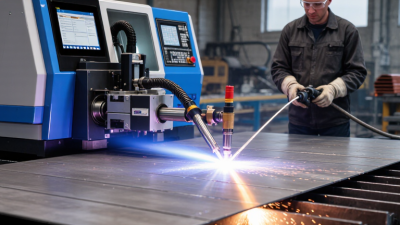
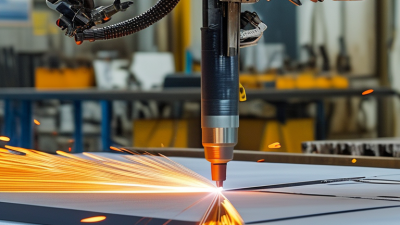
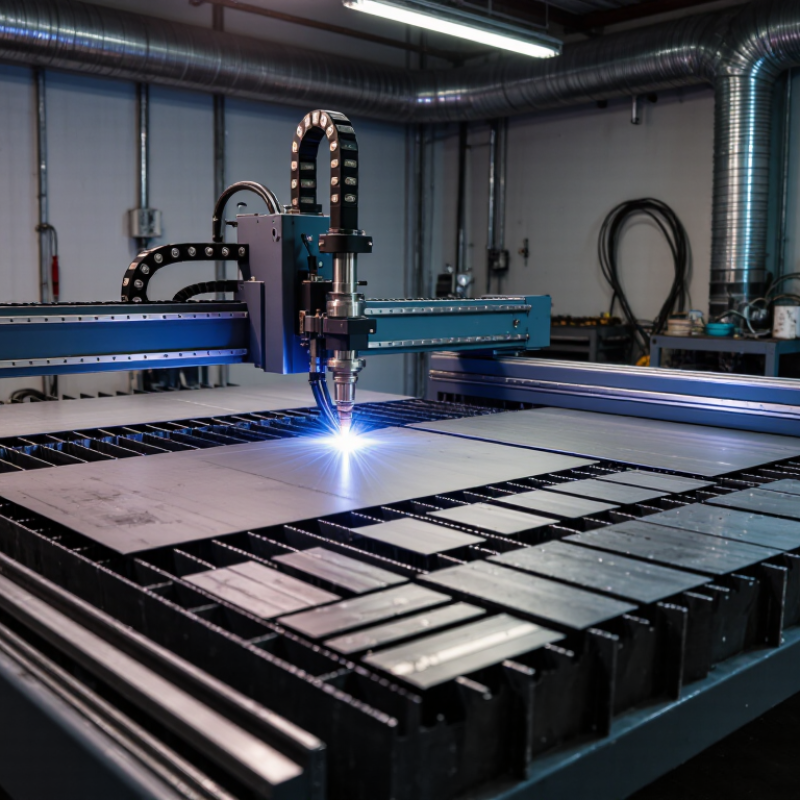
A CNC plasma table turns digital geometry into a moving electrical cutting process. The controller follows a CAD path while the torch creates an arc through compressed gas. The gas becomes plasma, reaching extreme temperatures and melting conductive metal. Air or gas pressure then blows the molten material away.
It cuts mild steel, stainless steel, aluminum, copper, and brass. It cannot cut wood, glass, or most plastics. In practical workshops, a 40–100 amp system often handles thin to medium sheet metal. Larger systems can cut plate above 25 millimeters, but speed and edge quality decline. Grand View Research’s 2024 CNC machine market analysis reports annual growth above 9%, driven by automation and digital control. ISO 9013:2017 also evaluates cut quality through edge angle and surface roughness, not appearance alone. The perfect table does not exist.
Tips:
Check the duty cycle, torch height control, extraction system, and software workflow. Keep sheet metal flat. Warped steel can produce a clean start and a poor finish. I still test a small square before production, because published thickness ratings can feel optimistic. Record amperage, feed speed, and gas pressure for each material. That simple log often saves more metal than a premium feature.
Which Specifications Matter Most When Comparing CNC Plasma Tables?
What Is the Best CNC Plasma Table in 2026?
Which Specifications Matter Most When Comparing CNC Plasma Tables?
The best CNC plasma table depends on your material, workload, and available workspace. Cutting capacity matters most. Check the maximum thickness for clean cuts, not just the advertised piercing limit. A table rated for 20 mm may struggle with repeated production work at that thickness. Torch height control is equally important. Automatic height sensing helps maintain a steady gap over warped steel and reduces damaged consumables.
Frame rigidity affects accuracy, especially during long cuts. Look for a reinforced gantry, smooth linear motion, and minimal torch vibration. A useful table should also provide a practical cutting area, reliable software, and clear control settings. Check the duty cycle of the power source, because frequent thermal shutdowns can interrupt production. Air quality matters too. Dry, filtered air protects the torch and improves edge quality.
Tips: Compare consumable costs, not only the purchase price. Ask whether replacement parts are easy to obtain. Test the emergency stop, grounding, and fume-control system before regular operation. These details are easy to overlook. I have seen impressive specifications hide poor workflow design. Cutting accuracy also depends on setup, maintenance, and operator habits. Even a rigid machine can produce rough edges when the air pressure or torch height is wrong. Allow room for learning, because real workshop results rarely match perfect showroom samples.
How to Choose the Right CNC Plasma Table for Your Workshop
What Is the Best CNC Plasma Table in 2026? The best choice depends on your workshop, materials, and daily workload. Start with the metal sizes you actually cut. A compact table may suit signs and brackets, while a larger bed handles full sheets with fewer repositioning steps. Measure your doorway, power supply, extraction area, and available floor space before comparing specifications.
Cut quality depends on more than advertised speed. Check the table’s motion accuracy, torch height control, cutting software, and consumable access. A rigid frame should resist vibration when the torch pierces 10-millimeter steel. Watch a sample cut, then inspect the edge, corner, and small holes. Ask for real test results, not only polished photographs. Faster is not always better.
Your workshop also needs effective fume extraction, grounding, fire-resistant surroundings, and suitable electrical protection. Confirm that the machine supports local workplace and electrical requirements. A reliable support team should provide manuals, training, replacement parts, and clear maintenance intervals. I would also test the control interface before purchase; confusing software creates expensive mistakes. My own preference would be easy setup over maximum speed, although that choice may change with production demands. Leave room for error. A table that fits comfortably, cleans easily, and holds repeatable tolerances often serves better than a larger machine with unused capacity.
What Is the Best CNC Plasma Table in 2026?
Compare common working-envelope sizes to choose a CNC plasma table that fits your workshop, material dimensions, and expected production volume.
Larger cutting areas support full sheets and reduce repositioning, while compact tables require less floor space and are often suitable for repair work, prototypes, and small fabrication projects. The dimensions shown are common planning benchmarks, not brand-specific specifications.