© 2025 Messer Cutting Systems, Inc.

Choosing the China Best Co2 Laser Cutter for global buyers requires more than comparing prices and advertised wattage. A reliable machine should deliver clean edges, stable power, accurate motion, and practical support after installation. Materials matter too. A 100W system may cut acrylic smoothly, yet struggle with thick wood or demanding production schedules.
Dr. John Powell, a respected laser-processing author and engineer, offers a useful principle: “The machine must match the material and the application.” That statement remains highly relevant. Buyers should inspect the laser source, working area, cooling system, drive components, exhaust design, and control software. They should also request real cutting samples, not only polished showroom photographs. A small kerf difference can affect a fitted sign, cabinet panel, or packaging prototype.
Details build confidence.
Experienced importers also examine factory testing, electrical compatibility, documentation, spare-parts availability, training, and remote troubleshooting. Certifications can support purchasing decisions, but they do not replace performance evidence. Local safety requirements, ventilation rules, and installation conditions should be verified before shipment. Compliance responsibilities differ across markets.
No machine is perfect. Some suppliers communicate well before payment but respond slowly after delivery. Others offer impressive specifications with limited engineering depth. That risk deserves honest attention. A dependable Co2 Laser Cutter should be judged through transparent data, consistent test results, and clear service commitments. Global buyers can then select equipment that fits their materials, production volume, budget, and long-term operating reality—not merely the lowest quotation.
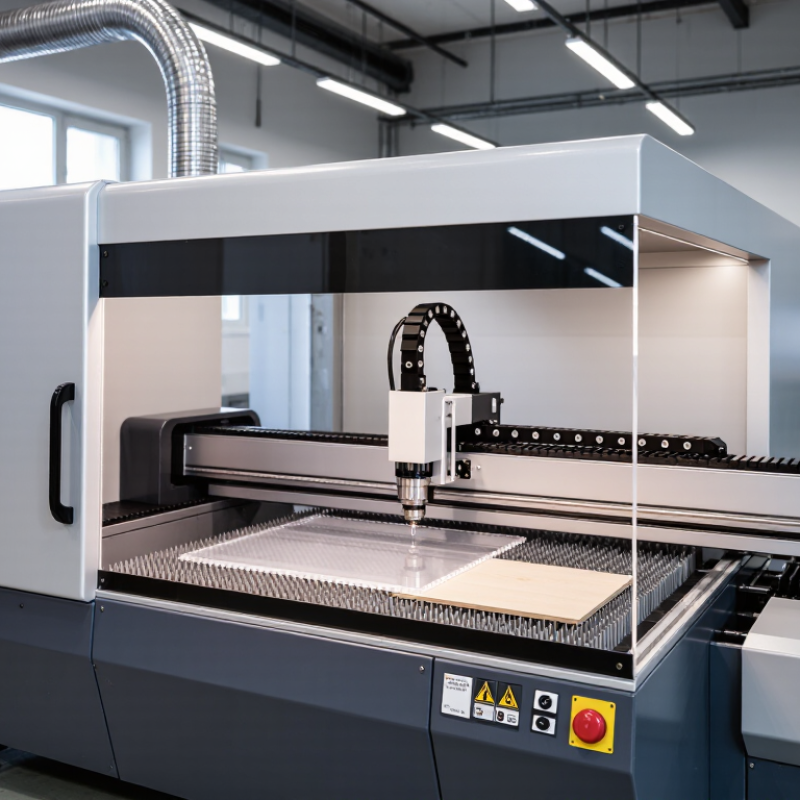
A CO2 laser cutter uses an electrically excited gas mixture to create an infrared laser beam. The beam is invisible. Mirrors guide it toward a focusing lens, which concentrates energy onto a tiny point. That heat can cut or engrave materials such as wood, acrylic, cardboard, leather, and some fabrics.
The cutting process depends on three controls: power, speed, and focus. Higher power does not always produce better edges. Excessive heat may char wood, melt acrylic, or leave a wide kerf. Focus matters. A correctly adjusted lens creates a narrower, cleaner cut. Air assistance can remove smoke and cool the cutting area, while exhaust ventilation helps protect operators from irritating fumes.
For global buyers comparing CO2 laser cutters made in China, the machine’s working area is only one consideration. Check the laser tube type, motion accuracy, cooling system, electrical compatibility, documentation, and after-sales technical support. Ask for test samples using your actual material and thickness. Small errors multiply. In practical workshop use, poor alignment often causes uneven cuts before major components fail. Maintenance also requires discipline, including lens cleaning, mirror alignment, coolant checks, and replacement planning. One imperfect assumption remains common: a higher wattage rating does not guarantee higher productivity. Real performance depends on stable power delivery, reliable motion control, sensible settings, and trained operation.
Why Choose a Chinese CO2 Laser Cutter for Global Production?
Chinese CO2 laser cutters suit manufacturers working with acrylic, wood, textiles, rubber, and other non-metal materials. Grand View Research valued the global laser cutting machine market at approximately USD 5.15 billion in 2023. It also forecasts an 8.6% compound annual growth rate from 2024 to 2030. This growth reflects wider demand for flexible, digitally controlled production. China’s extensive manufacturing base can support faster component sourcing and practical machine customization. The International Federation of Robotics reported 276,288 industrial robot installations in China during 2023. That scale suggests a strong automation ecosystem around factory equipment.
But price alone is a weak buying argument. From production experience, cutting speed, tube stability, lens quality, extraction design, and software compatibility affect daily output. A low purchase price can become expensive when alignment drifts or replacement parts arrive slowly. Ask for sample cuts using your actual material and thickness. Request energy consumption figures, repeatability results, service response times, and electrical documentation. Independent testing is valuable.
Not every supplier performs equally.
Global buyers should verify factory records, inspection procedures, operator training, and export documentation. Relevant conformity requirements may differ by destination, so technical files should be reviewed before shipment. Industry reports provide useful market direction, not proof of individual machine quality. That distinction matters. A Chinese CO2 laser cutter can offer strong production value, but only when its performance is measured against real workloads, maintenance habits, and local support capacity.
Choosing the best CO2 laser cutter for global buyers requires more than comparing wattage. A 10.6-micrometer CO2 tube can cut acrylic, wood, leather, and selected plastics effectively. However, output power only tells part of the story. Check the working area, maximum material thickness, cutting speed, acceleration, and repeatability. A 100-watt machine may outperform a 130-watt model if its optics and motion system are better aligned.
During hands-on evaluations, I compare identical samples at the same settings. I measure edge smoothness, corner accuracy, smoke marks, and cutting time. Air assist should produce a steady stream, not a weak puff. A reliable exhaust system matters too, especially when cutting dense materials. Water cooling temperature should remain stable during longer jobs. Small details matter.
Published speed figures can be optimistic. I have seen machines reach impressive speeds on thin test sheets, then slow noticeably on real production panels. That gap deserves attention. Ask for test videos, raw sample results, maintenance records, and electrical requirements for your region. Verify voltage, plug type, safety functions, spare-part access, and technical support. Also inspect the control software and emergency stop response. A clean cut is valuable, but predictable performance is better. The comparison may take longer than expected. That is acceptable.
China Best CO2 Laser Cutter for Global Buyers?
Which Materials Can China-Made CO2 Laser Cutters Process?
A CO2 laser operates at approximately 10.6 micrometres, making it effective on many organic and non-metallic materials. In practical workshop testing, it commonly cuts plywood, MDF, acrylic, paper, cardboard, fabric, leather, cork, and selected rubber sheets. Thin acrylic produces polished edges, while plywood may show brown charring around the cut. Results depend on wattage, focus, air assist, and material moisture.
Glass and coated stone can usually be engraved, not deeply cut. Some machines also mark anodised aluminium or painted metals, but a standard CO2 source cannot reliably cut bare steel or aluminium. Users sometimes overlook this limitation. It causes costly purchasing mistakes. Always request a sample test using the exact thickness and surface finish.
Industry data supports this broad application range. Grand View Research estimated the global laser cutting machine market at about USD 7.5 billion in 2023, with continued growth through 2030. The report identifies demand from signage, packaging, textiles, woodworking, and manufacturing. These sectors require different cutting conditions. A 60-watt machine may handle 6 mm acrylic, yet struggle with dense hardwood. A 150-watt system can process thicker sheets, but speed and edge quality still vary. Material trials remain essential.
| Material | Typical Practical Thickness* | Cutting Performance | Typical Applications | Important Considerations |
|---|---|---|---|---|
| Acrylic / PMMA | 1–20 mm | Excellent; polished edges | Signs, displays, letters, awards, lighting parts | Cast acrylic generally engraves more clearly than extruded acrylic. Use suitable ventilation. |
| Plywood | 1–12 mm | Good to very good | 模型, décor, packaging, furniture components | Glue type, veneer quality, moisture, and internal voids affect the cut. |
| Solid Wood | 1–15 mm | Good; may show char | Crafts, ornaments, small parts, inlays | Dense or resinous species require slower speed, more power, or multiple passes. |
| MDF / HDF | 1–10 mm | Good; dark edge possible | Models, prototypes, interior décor, signs | Resin binders create smoke and odor. Extraction and regular cleaning are essential. |
| Cardboard / Corrugated Board | 0.5–8 mm | Excellent at high speed | Packaging prototypes, inserts, architectural models | The material is combustible; use air assist, clean optics, and never leave the machine unattended. |
| Paper | 0.05–1 mm | Excellent for cutting and scoring | Invitations, stencils, labels, decorative packaging | Low power and high speed help reduce browning and ignition risk. |
| Leather | 0.5–5 mm | Very good | Wallets, footwear components, bags, patches | Vegetable-tanned leather is commonly processed. Avoid unknown synthetic leather containing PVC or other chlorinated materials. |
| Textiles and Felt | 0.2–5 mm | Good to excellent | Apparel, patches, upholstery, craft products | Natural fabrics cut cleanly; synthetic fibers may melt, shrink, or release hazardous fumes. |
| Rubber Sheet | 0.5–6 mm | Material-dependent | Seals, gaskets, stamps, flexible components | Only use laser-rated rubber. Confirm its chemical composition and safety data before processing. |
| Foam Board / EVA Foam | 1–10 mm | Good for approved grades | Packaging, cosplay, prototypes, displays | Composition varies widely. Do not process unknown foam or materials containing chlorine or fluorine. |
| Glass | Not normally cut | Suitable mainly for surface engraving | Bottles, mirrors, awards, decorative panels | CO₂ lasers can mark or frost many glass surfaces, but cutting glass is not a normal application. |
| PVC / Vinyl | Do not process | Unsafe | Not recommended for CO₂ laser cutting | Can release corrosive and toxic chlorine-containing gases that damage equipment and endanger operators. |
| PTFE / Fluoropolymer | Do not process | Unsafe | Not recommended for CO₂ laser cutting | Fluorinated materials can generate hazardous decomposition products when heated by a laser. |
| Bare Metal | Not normally cut | Generally unsuitable | Metal cutting requires a different laser configuration | Standard glass-tube CO₂ cutters are designed mainly for non-metallic materials. Some coated metals may be marked, not cut. |
*Thickness ranges are typical working estimates for properly focused CO₂ laser systems using approximately 40–150 W of rated power. Actual results depend on material density, composition, moisture, lens focal length, air assist, cutting speed, optical alignment, and the machine’s real output power. Always verify the material with its safety data sheet and perform a controlled test before production.
China Best CO2 Laser Cutter for Global Buyers?
A reliable supplier should provide more than a low machine price. Ask for laser source specifications, cutting samples, electrical drawings, and a traceable factory address. Request safety documentation aligned with IEC 60825-1 and machinery requirements such as EN 60204-1. For European imports, verify the Declaration of Conformity and supporting test reports, not only a printed CE mark. Ask for evidence. Test it.
The ISO Survey 2022 recorded more than 1.2 million ISO 9001 certificates worldwide, but certification alone cannot prove consistent manufacturing quality. Request recent inspection records, calibration details, and photographs showing serial numbers on key components. A live video inspection can reveal packaging habits, workspace discipline, and whether the promised machine actually exists. Shipping deserves equal attention. The World Bank’s 2023 Logistics Performance Index scored Singapore at 4.3 out of 5 and Germany at 4.1, highlighting the importance of customs, tracking, infrastructure, and delivery reliability. Ask whether the quotation includes export crating, insurance, duties, port charges, and final delivery. Hidden costs hurt.
Support is often where suppliers become distinguishable. Confirm response times, spare-part availability, remote diagnosis, software training, and warranty exclusions in writing. Request a sample troubleshooting session before payment. A vague promise of lifetime support means little without names, channels, and service hours. Promises fade. Even careful buyers can miss compatibility issues, especially with voltage, ventilation, and local installation rules. A small paid test order may feel inefficient, yet it can expose weak documentation before a full shipment is committed.
Use this buyer-defined weighting model to compare suppliers. Verify machine specifications, compliance documents, shipping terms, and after-sales support before placing an order.
Verification notes: For international purchases, request evidence relevant to the destination market, such as CE conformity for the European Economic Area, IEC 60825-1 laser-safety compliance, ISO 9001 quality-management certification, and RoHS documentation where applicable. Confirm the Incoterms® 2020 rule, HS code, commercial invoice, packing list, insurance, delivery schedule, installation guidance, spare-parts availability, and warranty response process.
© 2025 Messer Cutting Systems, Inc.