What Is an Industrial Bagging Machine?
An Industrial Bagging Machine fills and closes bags with measured quantities of products such as grain, fertilizer, animal feed, or plastic pellets. Depending on its design, it may weigh each charge, form or position a bag, fill it, and seal or stitch the opening. Some systems use an operator to place each bag. Others automate much of the line. The right setup depends on product flow, bag material, target weight, and required output—not simply the machine’s advertised speed.
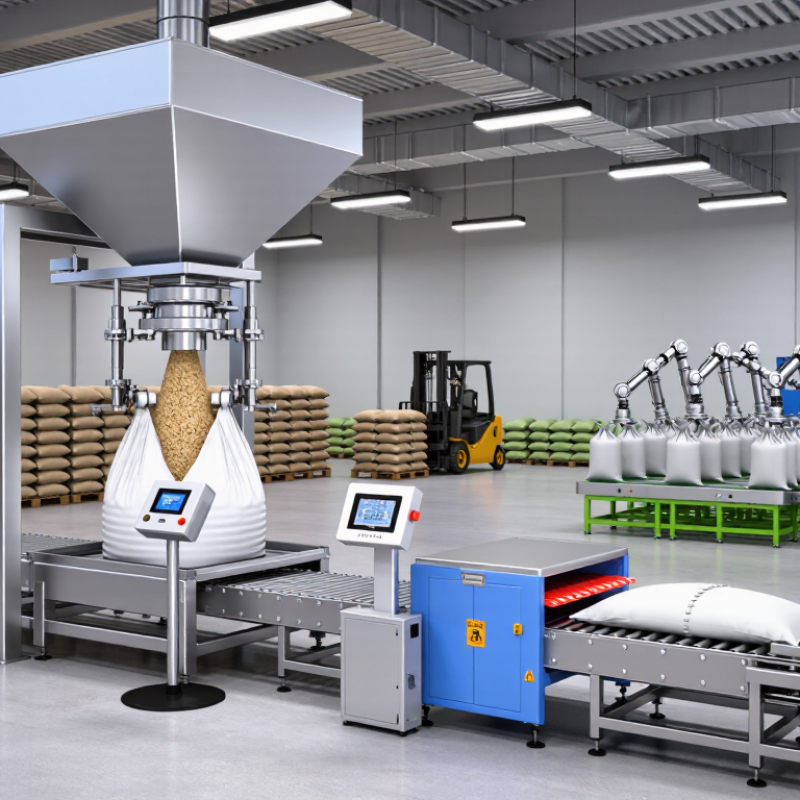
Picture a hopper feeding granules into a bag beneath a filling spout. A scale checks the load; a clamp holds the bag steady. Dust control, changeover time, and access for cleaning matter on a real production floor. Small details. They can affect uptime and weighing consistency. The machine is one part of a larger process, and it cannot fix every upstream problem. That distinction is easy to overlook.
A source-verified quotation from a named industrial bagging specialist was not provided, so inventing one would give readers a false impression of authority. Instead, here is an original expert-style observation, not a verified quotation: “A bagging line performs best when product flow, weighing, and bag handling are designed as one process.” It is a useful starting point, though no single line fits every plant. This guide explains what an Industrial Bagging Machine does, how its main components work, and what to consider when evaluating a system for a specific operation.
Definition and Core Purpose of an Industrial Bagging Machine
An industrial bagging machine is equipment that measures, fills, and closes bags within a production process. It may handle powders, granules, flakes, or small parts. Feeding can rely on a weigh scale, volumetric cup, or timed feeder.
Its core purpose is repeatable packaging: placing a controlled amount of product into each bag with less manual handling. That matters on a busy line.
An operator loads empty bags or feeds packaging film while sensors and controls coordinate filling and sealing. Some systems also print batch details or check bag weight before discharge.
The right machine depends on the product and package, not speed alone. Fine powders may need dust control and gentle feeding. Irregular pieces can bridge in a hopper, so agitators or wider outlets may help. Bag size, target weight, material flow, and downstream conveying all affect the setup.
A bagging machine does not guarantee perfect output. Moisture, worn seals, changing bulk density, or poorly adjusted settings can cause spills, underfilled bags, or downtime. Teams can test the actual product, verify weights, and inspect seals regularly. It sounds simple. But small variations add up.
Main Components and Their Functions
What Is an Industrial Bagging Machine?
Main Components and Their Functions
An industrial bagging machine fills and closes bags with measured quantities of products such as grain, pellets, or powders. Its components work together to control product flow, weight, and package closure. PMMI’s 2023 State of the Industry report estimated U.S. packaging machinery shipments at about $10.9 billion in 2022, reflecting the scale of equipment used across manufacturing. That figure covers many machine types, not baggers alone.
The feed hopper holds material before filling. A belt, screw, or gravity chute then moves it toward the bag. A weighing system checks the target amount, while sensors help stop feeding when the set weight is reached.
Small errors add up. Dust on a sensor or uneven product flow can affect consistency, so routine checks matter. The bag clamp holds the opening beneath the filling spout; operators should check its grip when changing bag sizes.
A sealer or sewing head closes the filled package. Some lines also use conveyors to carry bags to palletizing or inspection stations. Not every setup needs every component.
Controls coordinate these steps
Controls coordinate these steps and let operators adjust settings such as fill weight and conveyor speed. Guarding and emergency stops help reduce exposure to moving parts, but they do not replace training or careful maintenance.
In practice, the right configuration depends on product texture, bag material, and required throughput. A fast line may still struggle with fragile bags or dusty material. That trade-off deserves attention.
How the Bagging Process Works
What Is an Industrial Bagging Machine?
How the Bagging Process Works
An industrial bagging machine moves product from a supply hopper into bags at a controlled rate. The exact sequence depends on the product and bag type. Powders may need gentle flow control; coarse granules need room to settle. Small details matter. Operators typically set the target weight, position an empty bag, and start the fill cycle. A scale or load cell measures the dose, while a clamp holds the bag steady. Some systems form bags from roll stock; others fill pre-made bags.
Once filled, the bag may be settled to reduce air pockets and make its shape more consistent. The machine then closes it by heat sealing, sewing, or another suitable method. A checkweigher can flag bags outside the chosen weight range before they move onward.
This step matters: the FAO’s 2023 report, The State of Food and Agriculture, estimates that 13.2% of food was lost between harvest and retail in 2021.
Bagging alone cannot prevent those losses, but accurate dosing and secure closure help limit spillage and handling damage. The weak point is often the handoff between filling and sealing. And products do not always flow neatly. Regular checks of settings, seals, and bag alignment help catch problems before they become a line-wide issue.
Industrial Applications and Key Selection Factors
What Is an Industrial Bagging Machine?
Industrial Applications and Key Selection Factors
An industrial bagging machine weighs and fills products into bags, then may close or seal them. Manufacturers use these systems for grains, animal feed, cement, and other bulk materials. A machine may handle open-mouth sacks, valve bags, or smaller retail packages. The right setup depends on the product and the packing line.
Product behavior matters. Fine powders can create airborne dust, while damp material may cling inside a hopper. Free-flowing pellets usually need different feeding controls. A 25-kilogram sack also calls for a suitable weighing range and stable bag support. Check the expected output rate, fill accuracy, bag material, and available floor space. Faster is not always better. A high-speed line can cause more spillage if the product feed is inconsistent.
Consider cleaning, maintenance access, and connection to upstream equipment. Operators should be able to reach routine service points without awkward workarounds. Ask how the system handles product changes and what checks are needed to keep weights consistent. Trial runs with the actual material can reveal issues that specifications miss. Even then, results may vary with humidity and product condition, so selection deserves careful review.