© 2025 Messer Cutting Systems, Inc.

A Shrink Film Wrapping Machine is an industrial packaging system that encloses products in heat-shrinkable film. It combines film feeding, product positioning, sealing, cutting, and controlled heating. After sealing, the heat tunnel warms the film evenly. The film tightens around the product and creates a cleaner, more stable package. This process can protect surfaces from dust, moisture, and handling marks during storage or transport.
Not every machine works the same way. Some models wrap individual cartons, while others bundle bottles, trays, or irregular products. The right choice depends on product dimensions, film type, package weight, and required output. Look closely. Seal quality matters. Film gauge matters. Production speed matters. In practical operation, an operator may adjust conveyor timing or tunnel temperature after observing loose corners and uneven shrinkage. That small adjustment can reduce film waste, although it may not solve every packaging problem. Excessive heat can distort sensitive products or damage printed film. Insufficient heat can leave wrinkles and weak seals. No machine is perfect.
Reliable evaluation requires more than a catalog speed. Manufacturers should provide technical specifications, operating instructions, safety guidance, and realistic testing support. Buyers should request sample trials using their actual products and film. Maintenance records, spare-part availability, and operator training also influence long-term performance. A dependable Shrink Film Wrapping Machine should deliver repeatable seals, steady film tension, and accessible controls. This article explains how the equipment works, where it fits, and which practical details deserve careful attention before investment.
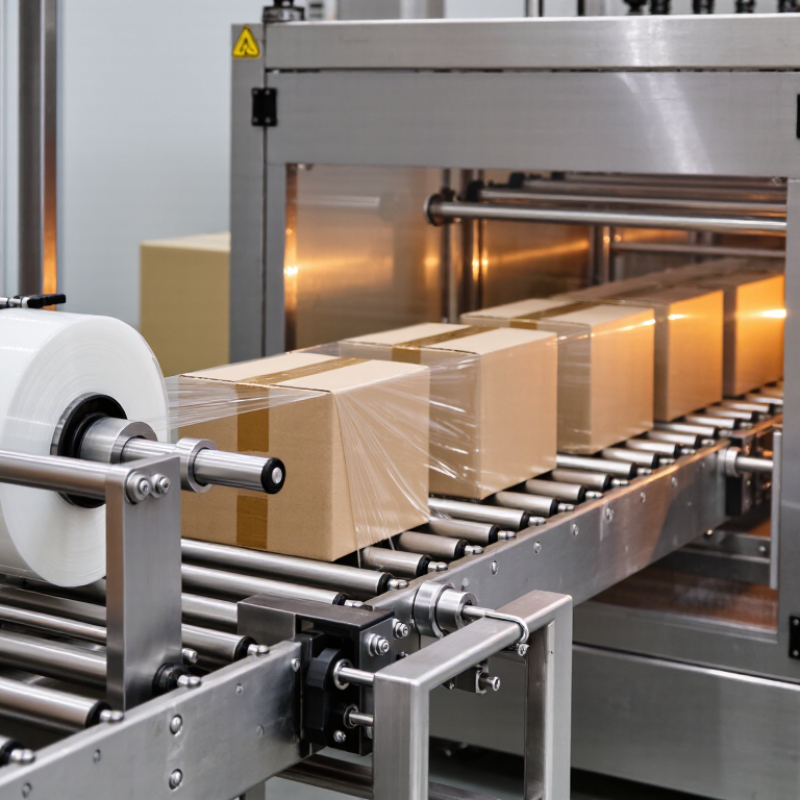
A shrink film wrapping machine is packaging equipment that encloses a product in plastic film. Heat then contracts the film around the item. The result is a tight, transparent covering that helps control dust, moisture, and handling damage. The machine usually combines film feeding, sealing, shrinking, and cooling. Some systems use a heated tunnel, while smaller units may rely on a manual heat gun.
The process looks simple, but temperature control matters. An operator places the product on the infeed conveyor. The film folds around it, and a heated sealing bar closes the package. The wrapped item then enters a tunnel, where controlled air heat tightens the film. Poor settings can create wrinkles, weak seals, or scorched edges. It is not magic. Film thickness, product shape, conveyor speed, and tunnel airflow must work together.
Market data shows why this equipment remains relevant. Smithers’ 2024 packaging outlook places the global packaging market above one trillion U.S. dollars, supporting continued investment in automated packing systems. Grand View Research reported that the global shrink film market was valued at approximately 9.8 billion dollars in 2023, with further growth expected through 2030. These figures describe related packaging markets, not machine sales alone. That distinction matters. A machine may improve speed and consistency, but it cannot correct unsuitable film or careless setup. Experienced operators still inspect seals, measure waste, and adjust heat during production.
What Is a Shrink Film Wrapping Machine?
A shrink film wrapping machine encloses products in heat-sensitive plastic film. It uses film tension, controlled sealing, and heat to create a close package. The process begins when a conveyor carries the product toward a film feeding unit. A roll unwinds at a steady speed around the product. Sensors help detect product position and adjust film delivery. The machine then seals and cuts the film along a programmed line. Accuracy matters here.
How a Shrink Film Wrapping Machine Works
After sealing, the wrapped product enters a heat tunnel or passes through controlled hot air. Heat softens the film, causing it to contract around the product’s shape. Tunnel temperature, airflow, and conveyor speed must match the film type. Excessive heat can distort packaging or weaken the seal. Insufficient heat leaves loose wrinkles and poor protection. Operators usually inspect seal strength, film tension, and package alignment during production. They also check whether sharp corners need protective adjustments. Small errors become visible quickly. Cooling follows the heating stage, helping the film stabilize before handling. In practice, settings rarely work perfectly on the first attempt. Room temperature, product shape, and film thickness can change the result. A reliable operation therefore combines machine data with experienced visual inspection. Regular cleaning, blade checks, and temperature verification support consistent performance. Safety guards and emergency stops must remain functional throughout operation.
A shrink film wrapping machine encloses products in heat-sensitive plastic film. Its wrapping system contains several coordinated components. The film roll holder supports the material and controls unwinding. Tension rollers keep the film smooth, although small adjustments may still be necessary. A forming box folds the film around the product. The sealing jaw then closes the longitudinal seam with controlled heat and pressure.
A conveyor moves each package through the system at a steady speed. Sensors detect product position and help prevent empty sealing cycles. The cutting blade separates each wrapped package from the film tube. After sealing, the shrink tunnel applies heated air from several directions. This process tightens the film around corners and flat surfaces. Temperature controllers, timers, and a control panel manage these settings. An emergency stop should remain easy to reach.
Tips: Check film tension before changing temperature. Inspect the sealing jaw for residue. Keep the tunnel airflow clear. Operators should test several packages after setup. Film may look tight but still have weak seams. That mistake is easy to miss. In practice, the fastest setting is not always the best setting. Slower conveyor movement can improve sealing consistency, but it may reduce output. Record package dimensions, film thickness, temperature, and speed during trials. These notes make later adjustments more reliable.
What Is a Shrink Film Wrapping Machine?
Common Types of Shrink Film Wrapping Machines
A shrink film wrapping machine covers products with plastic film and uses controlled heat to create a tight package. It can protect surfaces from dust, moisture, and light handling during storage or transport. In my experience, choosing the machine depends on product shape, output targets, film type, and available floor space. A small operation may not need an automated line.
L-bar sealers cut and seal film around individual products. They suit boxes, books, and other regular shapes. Side-seal machines use continuous sealing, so they often support faster production. Chamber machines place products inside a heated chamber and provide consistent shrinking for smaller batches. Sleeve wrappers leave the ends partly open, which works well for bundled items and multipacks. Each design has limits. A fast machine can still produce poor packages when film tension or temperature is wrong.
Tips: Test several film thicknesses before purchasing equipment. Check seal strength, corner coverage, and package appearance after cooling. Keep the sealing bar clean, and inspect heaters regularly. Operators should adjust heat gradually, not guess. Product dimensions may change, too. That detail is easy to overlook. Records of settings and defects can improve repeatability, although they do not replace hands-on checks.
| Machine Type | How It Works | Typical Film | Suitable Product Formats | Typical Production Range | Main Advantages | Common Limitations | Best-Fit Applications |
|---|---|---|---|---|---|---|---|
| L-Bar Sealer with Shrink Tunnel | A heated L-shaped sealing bar cuts and seals the film around the product. The wrapped item then passes through a heated tunnel to shrink the film. | PE POF PVC | Individual products, cartons, retail packs, books, stationery, and small boxed goods. | Approximately 10–30 packs per minute, depending on product size, film type, and operator handling. | Flexible format changes, relatively compact footprint, and suitability for many product shapes. | Usually requires manual product loading; sealing speed and pack size are limited compared with fully automatic systems. | Small to medium production runs and businesses packaging varied product sizes. |
| Automatic L-Bar Shrink Wrapper | An automatic infeed positions products, while the L-bar seals the film and transfers the pack to a shrink tunnel with limited operator intervention. | POF PE | Regular cartons, retail multipacks, printed materials, household products, and standardized packaged goods. | Approximately 20–60 packs per minute, depending on machine configuration and product dimensions. | Higher consistency, reduced manual labor, and better suitability for continuous production. | Higher purchase cost, more changeover requirements, and less flexibility for irregular product sizes. | Medium to high-volume packaging lines with repeatable product dimensions. |
| Side-Seal Shrink Wrapper | A continuous side-sealing unit creates a longitudinal seal while end sealing or cutting completes the package. A shrink tunnel then tightens the film. | POF PE | Long, wide, or continuously fed products such as flat packs, cartons, panels, and bundled items. | Approximately 20–80 packs per minute, depending on product length, film width, and line speed. | Continuous operation, clean side seals, and good compatibility with automated infeed systems. | Requires accurate product spacing and is less suitable for very irregular or unstable products. | High-volume packaging of products with consistent dimensions and a continuous production flow. |
| Center-Fold Film Wrapper | A center-folded film web is formed around the product. A longitudinal seal and end seal close the package before heat shrinking. | POF PVC | Single retail items, gift sets, food-related non-direct-contact packs, and small to medium boxed products. | Approximately 15–60 packs per minute, depending on equipment design and product handling. | Efficient film use, attractive presentation, and easy integration with product conveyors. | Film width and product height must be matched carefully; very uneven products may create poor seals. | Retail packaging where appearance and consistent film presentation are important. |
| Tray Shrink Wrapper | Products are grouped on a tray, overwrapped with shrink film, sealed, and passed through a tunnel to form a stable bundle. | PE POF | Bottles, cans, cartons, containers, and multipacks that benefit from a rigid base. | Approximately 10–40 bundles per minute, depending on bundle size and product arrangement. | Improves bundle stability, supports stacking, and can protect products during storage and transport. | Uses additional tray material, creates a larger pack, and may require precise product grouping. | Beverage, household, food, and industrial multipack applications. |
| Bundling Shrink Wrapper | Multiple products are grouped and enclosed in shrink film without necessarily using a rigid tray. Heat causes the film to tighten around the group. | PE POF | Multipacks of bottles, cans, cartons, tubes, and similarly shaped products. | Approximately 10–50 bundles per minute, depending on grouping method and pack configuration. | Reduces secondary packaging material and creates compact, easy-to-handle multipacks. | Products must be arranged securely; unsupported or unstable items may shift during handling. | Promotional multipacks, transport bundles, and products sold in grouped quantities. |
| Fully Automatic Shrink Bundler with Film Sealer | Automatic conveyors count, group, wrap, seal, and shrink products in a coordinated sequence with minimal manual handling. | PE POF | Standardized bottles, cans, cartons, and other products supplied in repeatable configurations. | Approximately 20–80 bundles per minute, depending on product size, bundle pattern, and line layout. | High throughput, repeatable bundle quality, and easy connection to upstream and downstream equipment. | Greater capital investment, more complex maintenance, and limited flexibility for frequent format changes. | Large-scale manufacturing and high-volume distribution packaging. |
| Chamber-Type Vacuum Shrink Machine | The product is placed in a chamber bag, air is removed, and the bag is heat-sealed. Heat then causes the film to conform closely to the product. | Shrink Vacuum Bag PA/PE | Meat, seafood, cheese, and other products requiring close-fitting packaging and reduced air exposure. | Approximately 2–15 cycles per minute, depending on chamber size, product loading, and vacuum requirements. | Provides close product conformity, helps reduce package volume, and can support refrigerated product presentation. | Slower than continuous industrial wrappers and generally limited by chamber capacity and manual loading. | Food packaging where vacuum removal and close-fitting shrink bags are required. |
| Steam Shrink Tunnel | Steam applies controlled heat to shrink film around the package, creating an even finish on containers with complex shapes. | PVC PETG OPS | Shrink sleeves, tamper-evident bands, bottles, jars, and containers with curved or irregular surfaces. | Approximately 30–300 containers per minute when integrated into a suitable sleeve-labeling line. | Produces uniform shrinking around contoured surfaces and can reduce localized overheating of some containers. | Primarily designed for sleeve applications rather than complete product overwrapping; requires steam generation and control. | Container labeling, tamper-evident seals, and full-body shrink-sleeve applications. |
What Is a Shrink Film Wrapping Machine?
Key Applications and Selection Considerations
A shrink film wrapping machine encloses products with heat-sensitive plastic film. Heat then tightens the film around the load. The result is a cleaner package with better dust resistance and improved handling stability. Common applications include beverage multipacks, food cartons, household products, printed materials, and hardware bundles. In warehouses, the film can also help group irregular items before transport.
Choosing the right machine requires more than checking its maximum speed. Measure product length, width, height, and weight first. Include the largest expected package, not only the average one. Film type matters too. Polyolefin film often suits retail presentation, while polyethylene film may support heavier bundles. Ask whether the machine handles center-folded or single-wound film. That detail affects equipment design and operator training.
Production volume should guide the sealing method and automation level. A manual system may fit changing product sizes and modest output. Continuous systems suit stable, high-volume lines. Check tunnel temperature control, conveyor capacity, seal quality, and emergency-stop access. Energy consumption deserves attention, especially during long shifts. A machine that runs quickly but wastes film can create higher operating costs. This is easy to overlook.
Real products rarely match catalog samples. Dust, sharp corners, moisture, and uneven loads can reduce wrapping quality. Request trials using your actual products and film. Inspect loose seals, wrinkles, burn marks, and incomplete shrinking. Maintenance access also matters. If cleaning takes too long, operators may postpone it, and reliability can suffer. Human factors remain part of machine performance.
A shrink film wrapping machine applies heat-sensitive film around a product or bundle, then uses controlled heat to shrink the film tightly around the load. The chart shows typical average shrink temperatures for three widely used film materials.
Selection note: POF film is commonly selected for retail products because of its clarity and balanced sealing performance. PE film is often used for heavier products and bundled loads because of its strength. PVC film can be used for general-purpose overwrapping, although operating requirements and local environmental policies should be considered. Actual temperature settings depend on film thickness, machine speed, package size, and tunnel design.
© 2025 Messer Cutting Systems, Inc.