Why is Welding Protection Essential for Safety and Quality?
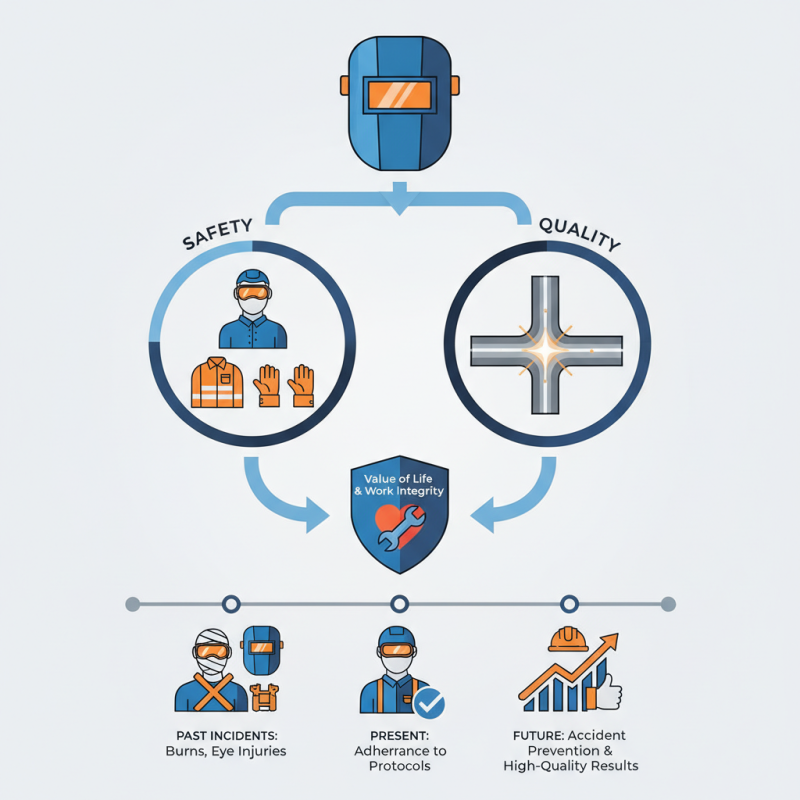
Welding is vital in many industries, but safety cannot be overlooked. Proper Welding Protection is essential to prevent accidents and ensure high-quality results. According to renowned welding expert Dr. Mark Thompson, "Investing in welding protection today saves lives tomorrow." This statement underscores the importance of safeguarding workers during the welding process.
Welding protection involves personal protective equipment (PPE) and safe work practices. Flame-resistant clothing, gloves, and protective helmets are crucial in shielding welders from sparks and harmful radiation. Despite its importance, many workers neglect these safety measures. This oversight can lead to injuries and compromised work quality.
Reflecting on past incidents is essential. Many workers have faced severe burns or eye injuries due to inadequate protection. These incidents highlight the need for strict adherence to welding safety protocols. Investing in effective welding protection is not just about compliance; it is about valuing human life and the integrity of the work.
Importance of Welding Protection in Preventing Occupational Hazards
Welding is a critical process in various industries. However, it is also fraught with risks. According to the National Institute for Occupational Safety and Health (NIOSH), around 500,000 workers are exposed to welding fumes and gases annually in the U.S. This exposure can lead to serious health issues, including respiratory problems. Proper welding protection is not merely a choice; it is vital for worker safety and quality assurance.
Many organizations underestimate the importance of protective equipment. In a survey by the Occupational Safety and Health Administration (OSHA), more than 75% of respondents had encountered unsafe working conditions in welding. Common hazards include exposure to ultraviolet light, which can cause burns and eye injuries. Not protecting against these risks can lead to long-term health problems.
Unfortunately, not all workplaces prioritize protective measures. Some workers rely on inadequate gear, such as flimsy gloves or face shields that don’t provide full coverage. This oversight may seem trivial, but it can have devastating effects. Inadequate protection leads to increased accident rates. Beyond personal harm, it can compromise the quality of the welded products. Thus, investing in comprehensive welding protection should be seen as an essential standard, not an optional expense.
Key Statistics on Welding-Related Injuries and Illnesses
Welding is a critical skill in many industries, but it comes with serious risks. Key statistics reveal that around 50,000 welding-related accidents occur annually in the United States. These incidents often lead to severe injuries. Burns and eye damage are common. Welders frequently face hazardous fumes, which can result in long-term health issues. Many overlook this risk, putting themselves in jeopardy.
Protective gear is essential. It includes helmets, gloves, and protective clothing. Yet, statistics show that not all welders consistently use this gear. About 30% admit to skipping proper protection at times. This oversight can lead to devastating results. Inadequate safety measures directly correlate with rising injury rates. Awareness is vital. Education on welding hazards should be a priority in training programs.
Paying attention to these dangers is crucial. A lack of protection can result in not just immediate harm but also chronic conditions. Many workers do not fully understand the long-term implications of their choices. Reflection on safety practices is imperative. Welders must prioritize their health and safety. The data is clear: a conscious effort toward protection can significantly improve outcomes.
Types of Protective Equipment for Welders and Their Effectiveness
Welding is a hazardous occupation. Proper protective equipment is crucial to ensure safety. Welders face risks like sparks, intense light, and harmful fumes. Protecting the body and eyes is vital. Common protective gear includes helmets, gloves, and aprons. Each piece serves a specific purpose, often overlooked by beginners.
A welding helmet shields the face from bright arcs. It helps prevent eye injuries, yet some welders ignore its importance. Gloves protect hands from burns. However, many wear inappropriate types, leading to discomfort or accidents. Aprons are essential for body protection. Without them, sparks can cause severe injuries.
Some welders may feel invincible. This attitude is dangerous. Skipping protective gear is a common mistake. Every piece of equipment has its role in maintaining safety and quality. Learning to use each item effectively can greatly reduce workplace injuries. Educating oneself on proper usage ensures a safer, more productive environment.
Why is Welding Protection Essential for Safety and Quality?
| Type of Protective Equipment | Purpose | Effectiveness | Recommended Standards |
| Welding Helmets | Protects eyes and face from intense light and sparks | High, blocks harmful UV and IR radiation | ANSI Z87.1, ISO 4871 |
| Welding Gloves | Protects hands from heat and sparks | Moderate to high, depending on material and design | ASTM F2675, EN 12477 |
| Protective Clothing | Prevents burns and protects skin | High, especially with flame-resistant materials | ASTM D6413, IEC 61482 |
| Respirators | Filters harmful fumes and gases | High, depending on filter type | NIOSH, EN 140 |
| Safety Boots | Protects feet from heavy objects and hot metal | High, especially with steel-toe options | ASTM F2413, EN ISO 20345 |
Impact of Welding Protection on Quality Control and Product Durability
Welding protection plays a crucial role in ensuring the quality and durability of welded products. The right protection measures can prevent contamination and defects that compromise structural integrity. For example, using proper shielding gases prevents oxidation during welding. This can significantly enhance the strength of the joints.
To maintain quality, regular inspections are essential. Check for any signs of wear or damage to protection gear. Inspecting joints before finishing can catch issues early. Relying on visual assessments might not be enough. Consider using advanced testing methods for accurate evaluations.
Tips: Always wear appropriate personal protective equipment (PPE). Safety glasses, gloves, and helmets can prevent injuries. Additionally, keep your workspace clean and organized. A cluttered area can lead to accidents and impact the quality of your work. Lastly, don't skip the maintenance of your welding tools. Well-maintained equipment delivers better results.
The impact of welding protection extends to product durability too. Without proper safeguards, factors like moisture can easily weaken welds. This leads to premature failures in structural applications. It's vital to recognize the importance of environmental control as well. Even slight changes in conditions can affect the weld quality. Reflecting on these aspects can help improve your welding practice.
Impact of Welding Protection on Quality Control and Product Durability
The chart above illustrates the impact of welding protection on various aspects of safety and quality control. A high compliance with safety gear correlates positively with improved quality control and reduced defect rates, ultimately enhancing product durability.
Regulatory Standards and Best Practices for Welding Safety in the Industry
Welding safety is paramount in the industry. Regulatory standards guide protective measures to prevent accidents. In 2020, the Occupational Safety and Health Administration (OSHA) reported that welding-related injuries accounted for a significant percentage of workplace incidents. Proper training and equipment can reduce these risks.
The American Welding Society (AWS) emphasizes the need for protective gear like helmets and gloves. According to their studies, nearly 70% of injuries stem from inadequate personal protective equipment (PPE). Many welders overlook proper gear, leading to long-term health issues. It’s troubling to see that workers often ignore safety protocols. Regular safety audits can help reinforce these practices.
Maintaining a safety-focused culture is essential for quality outcomes. Industry surveys reveal that companies prioritizing safety see a 30% reduction in incidents. Surprisingly, many organizations still lack comprehensive training programs. This gap highlights a critical area for improvement. Reflecting on these shortcomings can inspire stronger commitment to safety and quality in welding operations.