What is a Valve DC Gear Motor and How Does it Work?
A Valve DC Gear Motor is an important component in various mechanical systems. This device combines a direct current (DC) motor with a gear reducer. It delivers high torque at low speeds. The structure optimizes efficiency and control in applications like robotics and automation. Understanding its function is essential for engineers and hobbyists alike.
These motors excel in tasks requiring precise movement. They can regulate flow in pipes or control gates in water systems. The design enables smooth transitions, but it also has limitations. For instance, gear wear can affect performance over time. Users may need to consider maintenance to keep a Valve DC Gear Motor running optimally.
Using this technology can sometimes be tricky. Variations in load can lead to unexpected outcomes. It’s crucial to match the motor's specifications with the application needs. Miscalculations might result in underperformance or failure. Therefore, understanding how a Valve DC Gear Motor works can lead to more effective designs and applications.
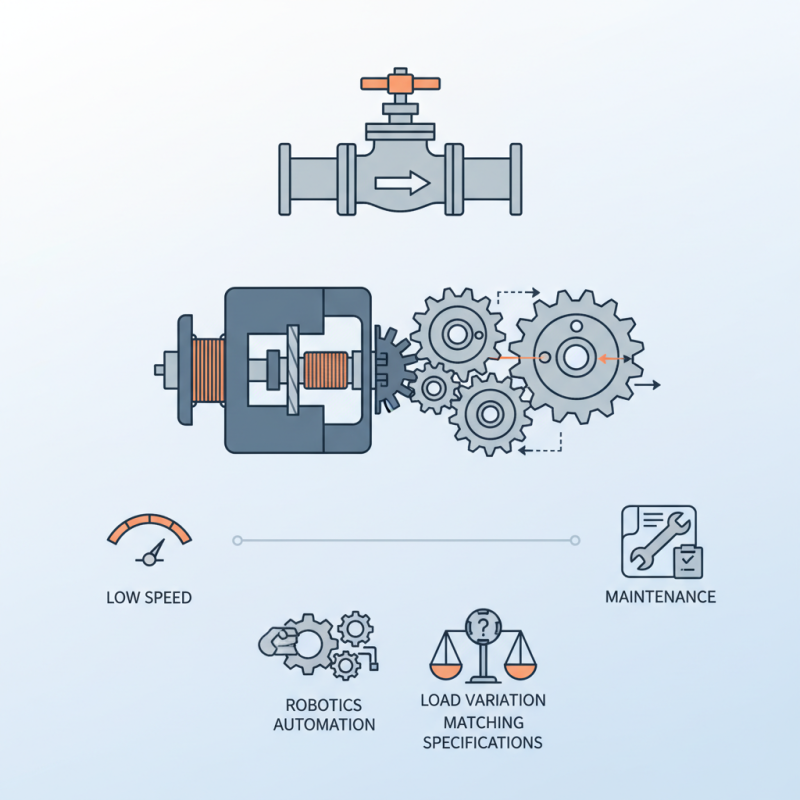
What is a Valve DC Gear Motor? An Overview of Its Components
A Valve DC Gear Motor is a compact and efficient device. It combines a direct current (DC) motor with a gear system. This combination improves torque and control. The motor converts electrical energy into mechanical motion. The gears adjust the speed and force of the motor's output.
The key components include the DC motor, gears, and housing. The DC motor is the heart, responsible for rotation. Gears come in various designs and ratios. They modify speed and torque levels. The housing protects internal parts from dust and damage. Each part plays a crucial role in overall efficiency. Sometimes, the gear design may not perfectly match the motor’s needs. Misalignment can lead to inefficiency.
Troubleshooting a Valve DC Gear Motor requires careful attention. A small issue in the gears can cause significant performance drops. Observing unusual sounds or vibrations can be insightful. Regular maintenance can help identify these issues early. Understanding these components is essential for proper functionality and longevity. The interplay of these parts offers both efficiency and complexity.
The Working Principle of Valve DC Gear Motors Explained
Valve DC gear motors are vital components in various applications. Their operation relies on a simple yet effective principle. At the heart of these motors is a direct current (DC) motor combined with a gear reduction system. This unique design allows for high torque at low speeds. When power is applied, the DC motor spins, turning the gears attached to it. This gear system reduces the speed and increases the torque, making it ideal for controlling valve mechanisms.
The working principle is straightforward. The DC motor generates rotational energy, which is transferred through the gearing system. The gears reduce the rotation speed and amplify the force. This enables precise valve control in hydraulic and pneumatic systems. However, the design is not without challenges. Overheating can occur if the motor is overloaded, which might lead to mechanical failures. Moreover, the gearing system can result in backlash, affecting precision. Understanding these limitations is critical for effective use. Regular maintenance and careful design choices can mitigate such issues, ensuring efficient operation.
What is a Valve DC Gear Motor and How Does it Work?
| Feature | Description |
| Type | DC Gear Motor |
| Voltage | 12V, 24V |
| Power Rating | 10W to 50W |
| Speed | Low RPM (10-300 RPM) |
| Gear Ratio | 1:10 to 1:300 |
| Torque | Up to 10 Nm |
| Applications | Robotics, Automation, HVAC systems |
| Features | High efficiency, Compact design |
Applications of Valve DC Gear Motors in Various Industries
Valve DC gear motors are widely used in various industries due to their efficiency and reliability. These motors often drive applications that require precise control of speed and torque. For instance, in the automotive sector, around 30% of DC gear motors are utilized in window mechanisms and seat adjustments. The compact size allows them to fit into tight spaces where larger motors cannot.
In the robotics field, they play a crucial role in movement and automation. According to industry reports, the global robotics market is expected to reach $200 billion by 2025. This growth is partly fueled by the increasing use of valve DC gear motors in robotic arms and automated guided vehicles. These applications require motors that can provide accurate positioning and sustained performance under load.
The agriculture sector also benefits from these motors. They assist in operating irrigation systems and automated feeders. However, there are challenges. Evaluation of motor lifespan and maintenance needs can be difficult. Users often overlook these aspects until problems arise. The focus should be on long-term performance, addressing power consumption and efficiency. Balancing cost and reliability remains a key concern for businesses.
Advantages of Using Valve DC Gear Motors Over Conventional Motors
Valve DC gear motors have gained attention in various applications for their efficiency and compact design. Unlike conventional motors, these specialized devices offer significant advantages. A recent industry report indicates that DC gear motors can operate at up to 90% efficiency, significantly reducing energy consumption. This high efficiency translates into lower operational costs, making them desirable for many applications.
These motors are designed to deliver higher torque at lower speeds, which is essential in applications that require precise control. According to data from mechanical power studies, gear ratios can enhance torque up to 300%. This capability allows for smoother operation and longer lifespan of components involved. Additionally, the size of these motors is generally smaller, allowing for easier integration into tight spaces.
There are downsides to consider too. For instance, the complexity of gear systems may lead to increased maintenance needs and potential points of failure. Despite these challenges, the performance benefits often outweigh the negatives. A trade-off between maintenance and efficiency needs to be evaluated based on specific use cases. Adopting valves DC gear motors can be a strategic move, provided the application justifies their use thoroughly.
Key Specifications and Data for Optimal Performance of Valve DC Gear Motors
When considering the performance of Valve DC Gear Motors, key specifications are paramount. Torque rating is crucial, as it determines how much force the motor can exert. Higher torque allows for better handling of heavy loads. Speed specifications also matter. The ideal speed range often varies based on application needs. A balance between speed and torque is essential for optimal performance.
Efficiency ratings provide insight into energy consumption. A motor with high efficiency will waste less energy, leading to lower operational costs. Additionally, the gear ratio influences both speed and torque. An appropriate gear ratio helps in achieving desired output without overstraining the motor.
Sometimes, specifications can be misunderstood. For example, focusing too much on high speed might compromise torque. This could lead to motor failure or operational inefficiency. Therefore, understanding each specification holistically is vital. Monitoring the environment, where the motor will operate, also helps inform the necessary adjustments for optimal performance. Each detail contributes to the functionality and longevity of the Valve DC Gear Motor.