Understanding High Voltage Output Electric Fences in 2026?
Electric fencing technology is evolving rapidly, particularly with high voltage output electric fences. These fences promise enhanced security and animal management. They are designed to deliver a powerful deterrent against intruders and wildlife. With the advancement in energy efficiency and safety features, many people see these fences as a viable option.
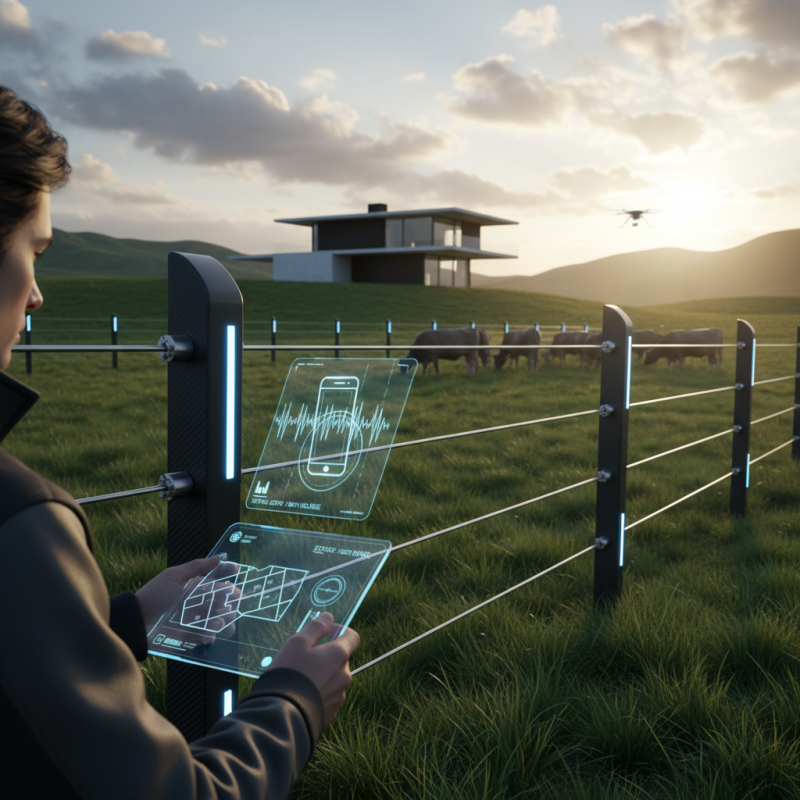
In 2026, the high voltage output electric fence will likely play a significant role in both residential and agricultural settings. Users can expect smart features that integrate with home security systems. Imagine controlling your fence through a smartphone app. However, challenges remain. Not all users understand how to maintain these systems effectively.
Safety is a crucial concern. High voltage output electric fences can pose risks if improperly installed or maintained. Educating users about potential hazards is vital. Reflecting on these concerns can lead to better practices. Emphasizing user responsibility creates a safer environment for everyone. Innovation and caution must go hand in hand as we adopt these technologies.
Understanding High Voltage Output Electric Fences in 2026: An Overview
In 2026, high voltage output electric fences are becoming popular in various applications. These fences provide effective boundary protection for farms, estates, and sensitive areas. They deliver a powerful deterrent to intruders and wildlife alike. With improved technology, many users report higher reliability and enhanced durability.
However, there are challenges to consider. Users often struggle with proper installation and maintenance. A poorly maintained fence can lead to reduced effectiveness. Moreover, the safety risks associated with electric fences are often underestimated. It's crucial to understand the potential dangers for animals and children. Some areas have strict regulations concerning fence usage, so it's important to stay informed.
Electric fences have advanced features, like remote monitoring and smartphone integration. These additions create convenience for users. Yet, relying too much on technology may lead to oversight. Regular checks and manual inspections are still necessary. A balance between tech reliance and hands-on care is essential for effectiveness. A conscious approach will enhance both safety and security.
The Science Behind Electric Fence Voltage and Its Effectiveness
Electric fences operate on high voltage, arcing between effectiveness and safety. A voltage between 3,000 to 10,000 volts is common for these fences. The output creates a shock that deters animals, protecting crops and property. However, the actual effectiveness depends on multiple factors. For example, the type of animal and its size play crucial roles. A strong jolt may work on small creatures but can be less effective on larger animals, requiring adjustments to the voltage.
Understanding the science behind electric fence technology is essential. The energy travels along the fence line, inducing a shock when interrupted by contact. The pulse duration and frequency also impact its effectiveness. Yet, inconsistencies often arise. High grass or debris can diminish voltage, rendering the fence less effective. Regular maintenance is needed to keep the voltage consistent. Improper installation can also lead to gaps in protection.
Planning for voltage output requires careful consideration. Too little voltage might not deter intruders, while excessive shock can harm animals and leave ethical questions. Finding the right balance requires testing and perhaps even reconsideration as conditions change. Monitoring and adapting are vital for success. Each scenario is unique, showing that electric fences can both be effective and flawed at times.
Understanding High Voltage Output Electric Fences in 2026
This bar chart illustrates the effectiveness of high voltage electric fences based on different voltage levels measured in kilovolts (kV) and their corresponding impact on deterring various animal types. The data reflects average voltage outputs and the deterrence level on a scale of 1 to 10.
Safety Standards and Regulations for High Voltage Electric Fences
The installation and use of high voltage electric fences have gained attention in recent years. With increasing popularity, understanding safety standards is vital. Compliance with regulations ensures the protection of both people and animals. Various countries have set guidelines for these systems. These guidelines cover voltage levels, usage conditions, and maintenance.
In 2026, it’s expected that safety standards for electric fences will evolve. New regulations may introduce stricter testing and certification processes. The aim is to reduce risks associated with high voltage systems. However, without proper implementation, these regulations may fall short. Many users overlook basic safety practices, which can lead to accidents.
Regular inspections of electric fences are crucial. They ensure continued compliance and functionality. The environment can pose challenges. Weather conditions may affect performance and safety. Ignoring these factors could result in dangerous situations. Education on safe usage remains essential for all users. It’s not enough to install a fence; one must understand its operation and risks.
Understanding High Voltage Output Electric Fences in 2026 - Safety Standards and Regulations
| Safety Standard | Voltage Output Range | Recommended Distance from Humans | Maintenance Frequency | Regulatory Body |
| IEC 60335-2-76 | Up to 10 kV | 3 meters | Annually | International Electrotechnical Commission (IEC) |
| AS/NZS 3016 | Up to 15 kV | 2.5 meters | Semi-Annually | Standards Australia |
| ANSI/UL 63 | Up to 12 kV | 4 meters | Quarterly | Underwriters Laboratories (UL) |
| ISO 9001 Certification | Up to 8 kV | 5 meters | Bi-Annually | International Organization for Standardization (ISO) |
Comparative Analysis of Electric Fence Technologies in 2026
In 2026, electric fences have evolved dramatically, showcasing various technologies and applications. Traditional electric fences primarily relied on low-voltage outputs. However, recent advancements have introduced high voltage output systems, offering improved effectiveness for security and livestock management. These newer models deliver quicker pulses, which can deter animals more effectively while minimizing discomfort.
Comparing different electric fence technologies highlights both benefits and shortcomings. High voltage systems are powerful, but they can pose risks if not properly maintained. Users may experience accidental shocks if safety measures are overlooked. On the other hand, low voltage alternatives may require more frequent maintenance and may not be as effective in preventing escapes. The choice often hinges on specific needs and the environment in which the fence is installed.
Visually, the aesthetics of modern electric fences have improved. Users can now find models that blend seamlessly into their surroundings. Yet, many still clash with natural landscapes. It's essential to balance functionality with environmental concerns. As we explore these technologies, understanding their impacts on both safety and nature remains vital. The evolution of electric fences prompts continuous reflection on our choices and their broader consequences.
Trends and Innovations in Electric Fence Design and Performance
In 2026, the electric fence industry is experiencing significant transformations. New materials are enhancing durability. Lightweight composites are becoming popular. These materials are less prone to rust and corrosion, which increases their lifespan. According to a recent report, high-voltage output fences can deter larger animals effectively, with a 30% improvement in performance noted over the past five years.
Innovative design features are also emerging. Many fences now include integrated sensors that monitor voltage levels. This real-time feedback helps users maintain optimal performance. However, some reports indicate that user education is still lacking. Many individuals do not know how to interpret these signals properly. This knowledge gap can lead to ineffective use of the fences, negating their benefits.
Environmental considerations are a major trend too. There is a shift toward solar-powered electric fences. They provide a sustainable option, reducing dependence on traditional energy sources. Yet, the initial investment can be off-putting. Some farms may still choose older models due to budget constraints. Understanding these trends is crucial for making informed decisions in electric fence design.