© 2025 Messer Cutting Systems, Inc.
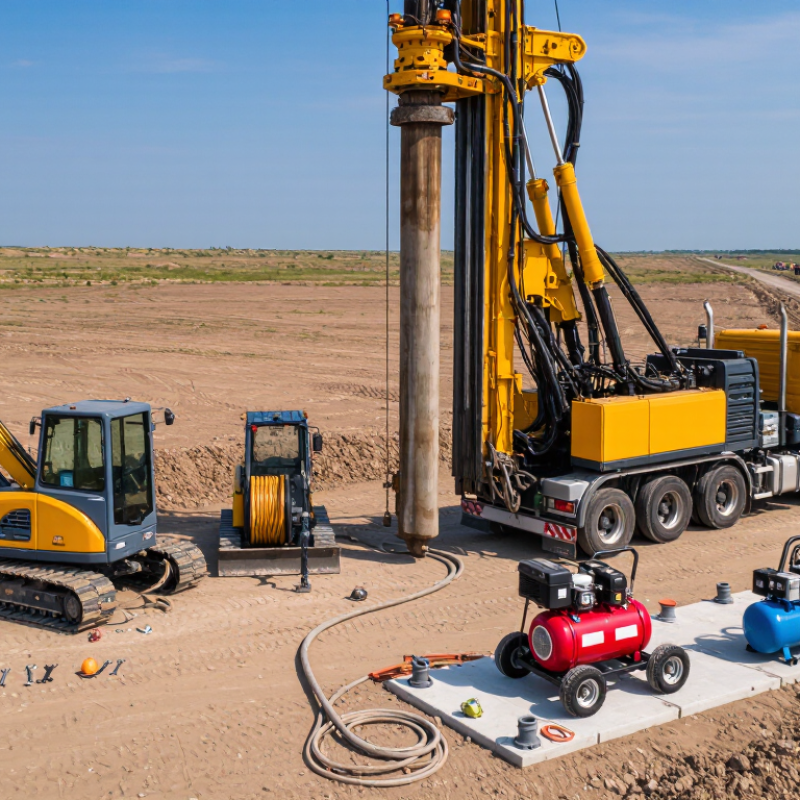
As global buyers plan for 2026, choosing the right Well Drilling Equipment requires more than comparing catalog prices. Ground conditions, drilling depth, water yield, transport access, and local maintenance support can change the best choice. A compact rotary rig may suit a shallow rural project, while a truck-mounted DTH rig can handle harder rock and deeper boreholes.
This guide introduces the main Well Drilling Equipment types used across commercial, municipal, agricultural, and remote-site projects. It examines rotary drilling rigs, DTH rigs, top-drive systems, mud pumps, air compressors, drill pipes, and essential support tools. Each section connects equipment design with practical field requirements, including fuel use, operator control, spare-part availability, and setup time.
Real projects rarely match brochure conditions. Dust enters filters. Roads become impassable. A compressor may perform differently at high altitude. These details matter. No equipment list is perfect. Buyers should verify geological reports, manufacturer specifications, warranty terms, safety certifications, and service coverage before signing a purchase agreement. Independent testing can also expose weak components that photographs hide.
The discussion uses practical purchasing experience and established drilling principles rather than unsupported marketing claims. It also recognizes regional differences in budgets, regulations, labor skills, and infrastructure. Some recommendations may need adjustment after a site survey. That is a limitation, not a weakness. Careful buyers compare performance data with real operating conditions, then select equipment that remains dependable beyond the first drilling season.
Well drilling equipment creates a borehole for water, geothermal energy, monitoring, or other approved subsurface work. It includes the rig, drill pipe, bit, mud system, compressor, pump, and support tools. In field inspections, buyers often classify equipment by drilling method, power source, mobility, and working depth. This approach is practical because one machine rarely suits every ground condition.
Rotary rigs use continuous bit rotation and work efficiently in many sedimentary formations. Percussion rigs break rock through repeated impacts and can perform well in hard, fractured ground. Down-the-hole systems place the hammer near the bit, helping maintain drilling force at greater depths. Auger rigs remove loose soil with a helical flight and are useful for shallow foundations or sampling. Equipment may also be truck-mounted, crawler-mounted, trailer-mounted, or skid-based. Electric, diesel, and hydraulic power options affect noise, emissions, maintenance, and site access. Classification is not always clean. Some rigs combine rotary and percussion functions, which can confuse inexperienced buyers.
Tips Match the rig to geology, target depth, hole diameter, and water conditions. Request verified performance data and service records. Check mast stability, emergency controls, spare-part access, and operator training requirements. A compact rig may enter a narrow site, but it can struggle with deep formations. I have seen buyers focus on drilling speed and overlook transport weight. That mistake can increase setup time and operating costs. Local geological reports should guide the final selection, not catalog claims alone.
Choosing a well drilling rig starts with the ground, not the catalog. Soft clay and loose sand usually suit rotary rigs with mud circulation. Drilling fluid stabilizes the borehole and carries cuttings upward. For shallow water wells, hydraulic auger rigs can be practical and economical. They work well in dry, cohesive soil. However, they struggle when gravel becomes dense or groundwater enters quickly.
Rocky formations require stronger impact energy. Down-the-hole hammer rigs perform effectively in hard limestone, granite, and fractured rock. Compressed air clears cuttings from the hole. Dust control remains important near homes, farms, and enclosed work areas. In mixed ground, top-drive rotary rigs with casing systems can reduce wall collapse. This setup is useful when loose soil covers hard rock. It costs more, but lost boreholes cost more.
Reverse-circulation rigs can improve drilling speed in large-diameter holes and unstable formations. They need careful slurry management and trained operators. Groundwater chemistry also affects equipment selection. Corrosive water can shorten the life of pumps, rods, and casing components. A site investigation should record grain size, rock strength, water depth, and expected borehole diameter. Do not rely only on a standard rig chart. A common field mistake is choosing maximum power instead of suitable control. More power is not always better. Soil conditions can change within a few meters.
For global buyers, well drilling equipment must match geology, depth, water demand, and site access. The main rig creates rotation, thrust, and lifting power. Rotary rigs suit many formations, while down-the-hole systems improve performance in hard rock. Cable-tool rigs remain useful where simplicity and low energy use matter. Selection should follow a documented borehole plan, not a sales brochure. Field experience shows that oversized rigs can raise transport costs and complicate setup.
Essential drilling tools include drill rods, bits, casing, stabilizers, swivels, and hoisting lines. Choose bit design according to rock hardness, abrasiveness, and expected fracture patterns. Casing protects loose formations and helps prevent borehole collapse. Mud pumps, air compressors, and water tanks support circulation and cuttings removal. A reliable system also needs filters, sediment control, and measuring tools for depth, pressure, and alignment. Small gauges matter.
Tips: Inspect threads before every shift, and keep spare seals, pins, and critical hoses protected from dust. Confirm compressor output under actual altitude and temperature conditions. Train operators to record vibration, torque, penetration rate, and fluid loss. These records reveal wear earlier than appearance alone. Do not ignore noise. Equipment lists often overlook lighting, drainage, and safe lifting points. That practical weakness deserves correction before mobilization.
| Equipment Type | Primary Function | Typical Drilling Method | Common Operating Range | Best-Suited Ground Conditions | Key Support Equipment | Important Buying Considerations |
|---|---|---|---|---|---|---|
| Truck-Mounted Rotary Drilling Rig | Drills water wells, geotechnical holes, and utility boreholes using rotary or down-the-hole tooling. | Rotary mud, air rotary, or down-the-hole hammer | Approx. 100–500 m depth Typical hole diameter: 100–450 mm | Soft formations, weathered rock, sand, clay, and medium-hard rock when fitted with suitable tooling | Air compressor, mud pump, drill pipe, water tank, lifting equipment, and support vehicle | Check transport regulations, mast height, gross vehicle weight, torque, pullback capacity, compressor compatibility, and local service access. |
| Crawler-Mounted Rotary Rig | Provides mobile drilling capability on uneven or remote terrain where road access is limited. | Rotary mud, air rotary, reverse circulation, or down-the-hole hammer | Approx. 100–800 m depth Typical hole diameter: 100–600 mm | Rugged terrain, mixed overburden, fractured rock, and construction or exploration sites | Compressor, mud system, drill rods, casing, crawler transport support, and auxiliary power | Evaluate crawler width, ground pressure, gradeability, mast reach, component protection, fuel consumption, and spare-parts availability. |
| Trailer-Mounted Water-Well Rig | Offers a lower-cost mobile solution for agricultural, domestic, and small community water wells. | Rotary mud, air rotary, or cable-tool drilling | Approx. 50–300 m depth Typical hole diameter: 100–350 mm | Alluvial deposits, clay, sand, weathered formations, and moderately consolidated ground | Towing vehicle, mud pump, compressor, water tank, drill pipe, casing, and leveling jacks | Confirm towing capacity, setup time, stabilization requirements, available hydraulic power, and the practicality of moving the rig between sites. |
| Top-Drive Down-the-Hole Hammer Rig | Creates efficient boreholes in hard rock by combining rotary thrust with percussive impact at the bit. | Down-the-hole air hammer | Approx. 100–600 m depth Typical hole diameter: 100–350 mm | Hard rock, competent formations, fractured rock, and formations requiring straight holes | High-pressure compressor, DTH hammer, bits, drill pipe, dust collector, and water injection system | Compare compressor pressure and flow, hammer compatibility, bit life, dust control, fuel use, and expected penetration rate. |
| Rotary Mud Drilling Rig | Uses circulating drilling fluid to stabilize the borehole, remove cuttings, and cool the bit. | Direct rotary with drilling-fluid circulation | Approx. 100–700 m depth Typical hole diameter: 150–600 mm | Loose sand, gravel, clay, unconsolidated alluvium, and formations prone to collapse | Mud pump, mixing tank, shale shaker or settling pits, bentonite, polymer, drill pipe, and casing | Review pump output, fluid-handling capacity, circulation controls, environmental requirements, water availability, and cuttings disposal procedures. |
| Reverse-Circulation Drilling Rig | Improves cuttings transport and sample recovery in large-diameter water-well and mineral exploration work. | Reverse circulation using air, water, or a combined air-lift system | Approx. 100–1,000 m depth Typical hole diameter: 300–1,200 mm | Large-diameter unconsolidated formations, alluvial deposits, and selected hard-rock applications | Large-diameter drill pipe, air compressor, circulation tank, cyclone or cuttings collector, booster pump, and casing | Check air volume, pipe diameter, sample handling, water demand, borehole stability, transport logistics, and crew training requirements. |
| Cable-Tool Percussion Rig | Breaks and lifts formation material through repeated impact, making it suitable for basic water-well construction. | Rope-tool percussion drilling | Approx. 30–300 m depth Typical hole diameter: 100–600 mm | Clay, gravel, sand, weathered rock, and formations where low fluid use is preferred | Drill cable, bailer, casing, winch, tripod or mast, hoist, and casing-driving tools | Assess drilling speed, lifting capacity, cable durability, casing requirements, operator skill, and suitability for hard or fractured rock. |
| Geothermal and Large-Diameter Rotary Rig | Constructs deeper or larger boreholes for geothermal loops, groundwater production, industrial wells, and foundation work. | Rotary mud, air rotary, DTH, or dual-rotary drilling | Approx. 200–2,000 m depth Typical hole diameter: 200–1,000+ mm | Overburden, hard rock, fractured formations, and mixed ground requiring heavy casing programs | High-capacity mud pump, compressor, casing system, drill pipe, crane or pipe handler, power pack, and fluid recycling system | Focus on torque, pullback, mast capacity, continuous circulation, casing diameter, power demand, site footprint, and regulatory compliance. |
| Drill Pipes and Rods | Transfers rotary torque, thrust, impact energy, and drilling fluid between the rig and the bit. | Used with rotary, mud, air, DTH, and reverse-circulation systems | Common lengths: 1.5–6 m Diameter selected by rig and hole size | Selection depends on formation hardness, drilling method, depth, and fluid pressure | Rod handler, thread compound, lifting subs, breakout wrench, pipe rack, and thread protectors | Verify thread type, outside diameter, wall thickness, tensile capacity, torsional strength, straightness, wear allowance, and connection compatibility. |
| Drill Bits and Reamers | Cut, crush, or abrade the formation and maintain the required borehole diameter. | Tricone, PDC, drag, roller-cone, DTH, button, or reaming tools | Selected by hole diameter Bit size must match formation and rig capacity | Different designs are matched to soft soil, abrasive sand, gravel, limestone, and hard rock | Bit breakers, subs, stabilizers, lubricants, water or mud circulation, and measurement tools | Compare cutting structure, gauge protection, bearing design, carbide quality, expected footage, replacement cost, and local reconditioning options. |
| Air Compressor and Booster | Supplies compressed air for DTH drilling, cuttings removal, foam injection, and air-lift pumping. | Compressed-air drilling and air-lift circulation | Typical pressure: 7–35 bar Flow selected by hole size and depth | Most effective in stable formations, fractured rock, and applications requiring rapid cuttings removal | Air hose, receiver, booster, lubricator, moisture separator, dust collector, and safety valves | Match pressure and cubic-metre-per-minute output to the hammer, depth, altitude, pipe size, fuel quality, and noise or emissions limits. |
| Mud Pump and Drilling-Fluid System | Circulates drilling fluid to cool the bit, transport cuttings, and support unstable borehole walls. | Direct rotary and selected reverse-circulation applications | Flow commonly varies from tens to hundreds of L/min Pressure depends on depth and circulation design | Loose, unconsolidated, water-bearing, or unstable formations | Mud tank, mixing hopper, agitator, hoses, valves, settling tank, screen, bentonite, and polymers | Check flow rate, pressure, solids handling, diaphragm or piston design, liner availability, fluid compatibility, and cleaning requirements. |
| Casing, Casing Advancer, and Casing Oscillator | Supports unstable formations, isolates water-bearing zones, and maintains borehole integrity during construction. | Rotary casing, driven casing, eccentric overburden drilling, or simultaneous drilling and casing | Diameter selected for final well design Depth limited by ground and equipment capacity | Collapsible overburden, loose gravel, running sand, fractured rock, and mixed formations | Casing shoes, casing clamps, hydraulic power unit, centralizers, welders, lifting tools, and casing lubricant | Confirm casing material, wall thickness, connection type, corrosion resistance, advancement force, retrieval method, and local well standards. |
| Well-Development and Testing Equipment | Removes fine sediment and verifies well yield, drawdown, recovery, and water quality after drilling. | Air-lift development, surging, bailing, pumping, and step-drawdown testing | Pump capacity matched to well yield Testing duration set by project requirements | Completed water wells requiring reliable production and quality assessment | Submersible test pump, air compressor, flow meter, pressure gauge, water-level meter, generator, and discharge pipe | Evaluate pump diameter, maximum head, cable length, flow measurement accuracy, discharge management, and electrical protection. |
| Power Pack, Generator, and Hydraulic System | Provides mechanical, electrical, and hydraulic power for drilling, pumping, handling, and auxiliary functions. | Supports diesel-hydraulic, electric-hydraulic, and hybrid drilling systems | Capacity depends on rig and auxiliary load Voltage and frequency must match site requirements | Remote sites, construction areas, agricultural projects, and grid-connected or off-grid operations | Fuel tank, hydraulic hoses, control panel, transformer, cables, filtration system, and emergency shutdown system | Check rated power, altitude derating, fuel consumption, emissions rules, electrical safety, hydraulic cleanliness, and access to filters and service parts. |

When comparing well drilling equipment in 2026, global buyers should measure output, not catalog promises. Rotary rigs suit softer formations, while down-the-hole systems maintain accuracy in hard rock. Air consumption, torque, pullback force, and maximum depth reveal useful operating differences. Start with geology. Review borehole diameter, groundwater conditions, access limits, and expected daily footage. An experienced drilling supervisor can verify these assumptions from nearby well records. That field check often prevents an expensive mismatch.
Purchase price is only the visible part of cost. Compare fuel use, compressor demand, drill pipe wear, labor hours, transport, and scheduled maintenance. A cheaper rig may lose money if it drills slowly or needs frequent repairs. Track cost per completed meter. For example, a rig saving 15 percent on fuel may still underperform when its penetration rate falls sharply. Ask suppliers for test data, service intervals, spare-part lead times, and warranty conditions. Use the same soil profile and hole size when comparing figures.
Performance claims deserve careful questions. Request results from comparable formations, not only laboratory demonstrations. Check noise, dust control, operator visibility, and setup time at the actual worksite. These details affect safety, crew fatigue, and production. Some comparisons remain imperfect. Weather, water loss, and inexperienced operators can change results within days. Record real field data after each shift, then revise the buying model before placing a large order.
Global buyers should match equipment to geology, depth, and site access. Rotary drilling rigs suit deeper formations and continuous boreholes. Air rotary rigs perform well in hard, fractured rock. Mud rotary systems offer better control in unstable formations. Compact crawler rigs help reach narrow rural sites. The IEA’s World Energy Investment 2024 estimated upstream oil and gas investment at about US$570 billion. This spending signals continued demand for reliable drilling capacity, but budgets remain sensitive to downtime and fuel costs.
Check torque, maximum drilling depth, pump capacity, mast strength, and transport dimensions. A powerful rig may still fail on soft ground or poor roads. Ask for service intervals, spare-parts availability, operator training, and documented safety testing. The IEA Global Methane Tracker 2024 reported about 120 million tonnes of methane emissions from fossil fuel operations in 2023. Buyers should therefore examine engine efficiency, dust control, noise levels, and future emissions compliance. Regulations differ by country. Local verification matters.
Tips: Compare total ownership cost, not only purchase price. Request field references from similar soil conditions. Inspect a working rig before payment. Certification helps, but it never replaces practical testing. A common mistake is choosing maximum capacity instead of suitable capacity. That decision can increase transport, maintenance, and fuel expenses. No checklist is perfect. Leave room for unexpected geology.
© 2025 Messer Cutting Systems, Inc.