Top 10 Packaging Line Solutions in China for Global Buyers?
In recent years, the demand for innovative Packaging Line Solutions has surged. China's packaging industry has seen significant growth, with a reported market value of over $40 billion in 2022, as noted by the China Packaging Federation. This rapid expansion reflects the country's pivotal role in global supply chains.
As global buyers seek efficient and reliable packages, China's packaging technology stands out. The region's advanced automation and customizable solutions streamline operations. Major sectors, like food and pharmaceuticals, benefit from these innovations, enhancing product safety and reducing waste.
However, challenges remain. Many businesses face difficulties in selecting the right Packaging Line Solutions that meet diverse needs. Continuous improvement and adaptation are essential. Companies must reflect on their choices to maintain competitiveness while ensuring product integrity.
Overview of the Packaging Line Market in China
The packaging line market in China is rapidly evolving. Chinese manufacturers are investing in advanced technologies. This is driven by both domestic demand and global buyer needs. With a focus on automation and efficiency, the market is creating innovative solutions.
Investors should consider quality over quantity. While many companies offer packaging solutions, not all meet high standards. Researching suppliers is crucial. Look at their production processes and client feedback. This can give insights into reliability and service quality.
One key trend is the rise of eco-friendly packaging. More companies are prioritizing sustainability. This reflects global consumer preferences. Buyers should seek out suppliers that embrace green practices. It's not just a market shift; it’s a moral obligation.
Navigating this market can be complex. Engage directly with suppliers to clarify capabilities. Understanding their technology will help in making knowledgeable decisions. Keep an open dialogue to address any potential challenges upfront.
Key Players in China's Packaging Line Solutions
China's packaging line solutions are critical for global buyers seeking innovation and efficiency. The country holds a significant share of the global packaging market, projected to reach USD 200 billion by 2025. Advanced automation technologies and smart packaging are shaping the landscape. Manufacturers are leveraging Industry 4.0 principles, enabling seamless integration of machinery and data analytics.
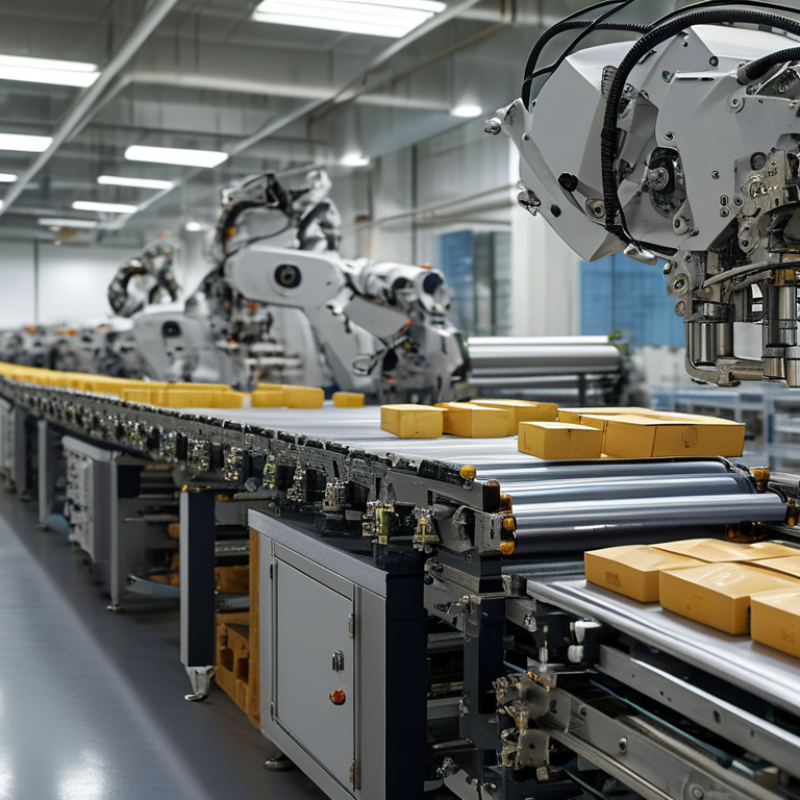
Key players in this sector often utilize state-of-the-art robotics. These robots enhance production efficiency, reduce errors, and minimize labor costs. However, rapid changes can overwhelm some traditional manufacturers. Competing with newer, tech-savvy companies is a struggle for many. Adapting to this fast pace requires investment and training.
Environmental concerns are also paramount. The shift toward sustainable packaging drives innovation, yet some manufacturers lag. Reports indicate that over 30% of companies still rely on non-recyclable materials. This presents a chance for global partners to influence these changes. Increasing collaboration with Chinese suppliers can accelerate the transition to sustainable practices, ultimately benefiting all stakeholders involved.
Innovative Technologies in Packaging Lines for Global Buyers
The packaging industry in China is rapidly evolving. Global buyers are increasingly interested in innovative technologies that enhance efficiency and sustainability. Automation has become a key focus. Many lines now incorporate advanced robotics for greater precision. These robotic arms can reduce labor costs while increasing output.
Smart packaging solutions are also gaining traction. Sensors embedded in packaging monitor freshness and safety. This technology helps brands assure customers about product quality. However, the integration of such technologies can be costly. Smaller companies may struggle to keep up. This raises questions about accessibility and the digital divide in the industry.
Furthermore, many packaging lines are exploring eco-friendly materials. Biodegradable options are becoming more widely available. Yet, the challenge lies in balancing cost with sustainability. Not all green materials perform well in all environments. Companies must evaluate their needs carefully. Embracing change is essential, but it requires ongoing commitment and reflection.
Top 10 Packaging Line Solutions in China for Global Buyers
| Solution Type | Key Features | Industry Application | Average Cost (USD) | Lead Time (Weeks) |
| Robotic Palletizing | Automated stacking, high speed, flexibility | Food & Beverage | 50,000 | 12 |
| Filling Machines | Accurate dosing, various liquids | Cosmetics | 30,000 | 10 |
| Labeling Machines | Precision labeling, high-speed operation | Pharmaceuticals | 25,000 | 8 |
| Cartoning Machines | Fast and efficient carton forming | Food Packaging | 40,000 | 14 |
| Shrink Wrapping | Tamper-evident packaging, high-speed | Beverages | 20,000 | 6 |
| Blister Packaging | Secure, protective packaging for units | Pharmaceuticals | 35,000 | 11 |
| Stretch Wrapping | Custom film utilization, strong load holding | Industrial Goods | 15,000 | 9 |
| Vacuum Packaging | Extended shelf life, freshness preservation | Food Products | 28,000 | 13 |
| Automatic Case Packing | Product handling, full automation | Retail Goods | 55,000 | 15 |
| Multi-Pack Systems | Versatile multi-pack solutions, custom configurations | Snacks | 38,000 | 10 |
Factors to Consider When Choosing a Packaging Line Supplier
Choosing the right packaging line supplier is crucial. Global buyers should consider several key factors when making a decision. Quality assurance is paramount. A reliable supplier must have robust quality control processes in place. This ensures that products meet high standards consistently. Buyers can request samples to evaluate material and build quality.
Next, flexibility in production capabilities matters. Not all suppliers can handle diverse product types or scales of production. Open communication is essential. Buyers should feel comfortable discussing their specific needs. A responsive supplier is often a good sign. Additionally, assessing the supplier's experience in the industry can indicate reliability. Experience often translates to better problem-solving skills during production challenges.
Sustainability practices are becoming more important today. Inquire about eco-friendly materials and processes. Being environmentally responsible reflects positively on a brand. Pricing is another significant factor. However, it's important not to sacrifice quality for cost. Reflect on what is most important for your brand's success. Balancing these factors can lead to a fruitful partnership with a packaging line supplier.
Future Trends in China's Packaging Solutions for Global Markets
The evolution of packaging solutions in China reflects global market demands. Automation is becoming increasingly important. Many manufacturers are investing in high-speed machinery. These advancements are necessary to meet growing consumer expectations.
Sustainability is a key focus. Companies are exploring eco-friendly materials and processes. Biodegradable packaging options are gaining traction. However, the challenge lies in balancing cost and ecological benefits. This requires innovative thinking and investment in research.
Customization is another emerging trend. Brands want packaging that tells their story. Personalized designs can improve customer engagement. Yet, maintaining efficiency during production remains a challenge. It is essential to find a balance between uniqueness and scalability. As the market evolves, these reflections on current practices will guide future innovations.
Top 10 Packaging Line Solutions in China for Global Buyers