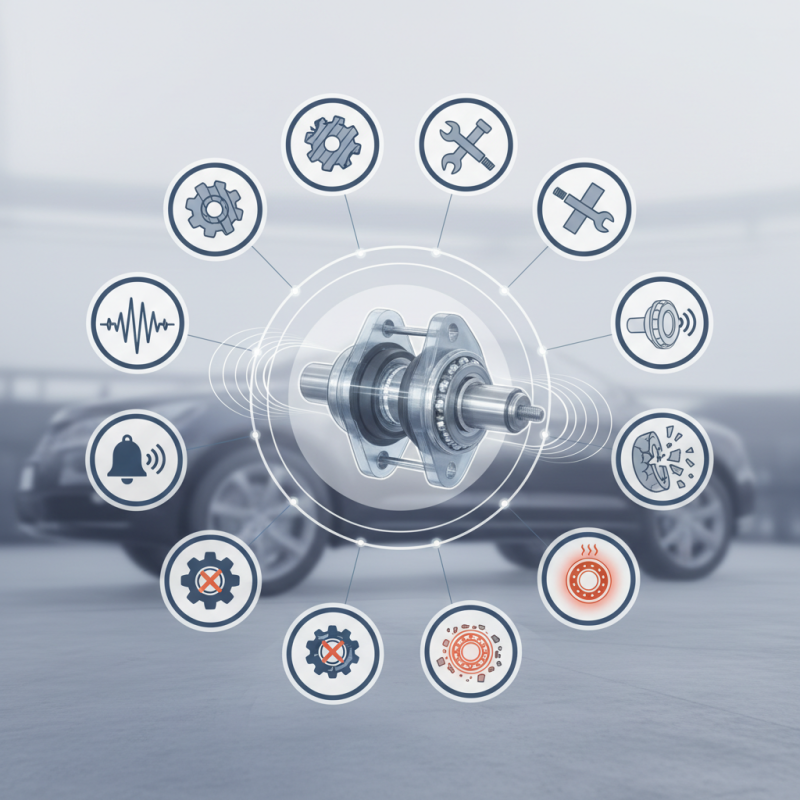
Top 10 Center Bearing Issues You Need to Know About
Center Bearings play a crucial role in vehicle dynamics, yet they often face various issues. These components support the driveshaft and help maintain alignment. When functioning correctly, they contribute to a smooth driving experience. However, problems with the center bearing can lead to vibrations, noise, and even more significant mechanical failures.
Common issues include wear and tear, improper installation, and misalignment. Often, drivers overlook these signs until it’s too late. Regular inspection can prevent costly repairs. Knowing the warning signs is essential for vehicle maintenance. Understanding these potential problems can help you take proactive measures.
In this article, we will explore the top ten center bearing issues you should be aware of. Each issue can affect your vehicle's performance significantly. Awareness is the first step toward prevention. Addressing these problems early can save you time and money.
Common Symptoms of Center Bearing Problems
Center bearing problems can lead to significant vehicle issues, but recognizing the symptoms early can save time and money. A common sign is a noticeable vibration coming from the rear of the vehicle. This can range from mild to severe and typically intensifies as speed increases. According to a survey by the Automotive Research Association, about 35% of vehicle owners reported experiencing vibrations linked to center bearing failure.
Another key symptom is unusual noises, such as clunking or grinding sounds when accelerating or decelerating. These sounds signify that the center bearing may be worn or damaged. Research indicates that nearly 40% of drivers ignore these noises, leading to more extensive damage. Drivers should pay close attention to how their vehicle sounds during maneuvers.
If you notice difficulties during gear shift, this can also indicate center bearing issues. Slipping or rough shifts often emerge from misalignment problems. A study highlighted that misalignment in the drive shaft affects overall vehicle performance, with 50% of drivers not realizing the consequences. It’s crucial to remain vigilant about these signs. A proactive approach can prevent more serious mechanical failures down the road.
Causes of Center Bearing Issues in Vehicles
Center bearings play a crucial role in a vehicle's driveline system. They support the driveshaft and help transfer torque efficiently. However, several factors can lead to center bearing issues. According to industry studies, nearly 15% of driveline failures are attributed to worn-out or damaged center bearings.
One major cause is improper installation. Incorrect alignment during installation can put undue stress on the bearing. This misalignment can lead to premature wear. Additionally, poor lubrication contributes significantly to center bearing problems. When bearings lack adequate lubrication, friction increases. A report from a leading automotive service association indicates that approximately 30% of center bearing failures result from insufficient lubrication and overheating.
Environmental factors also play a vital role. Road conditions, such as potholes and uneven surfaces, can impact the bearing's lifespan. Likewise, exposure to harsh weather conditions can deteriorate the bearing faster than expected. Vehicle operators often overlook these basic yet critical maintenance aspects. Regular inspections and addressing minor issues can prevent costly repairs in the future. Remember, what you ignore today may cost you tomorrow.
Impact of Worn Center Bearings on Driving Performance
Worn center bearings can significantly affect driving performance. As key components that support the driveshaft, these bearings endure constant stress. A study from the Journal of Automotive Engineering revealed that over 35% of driveline noise is linked to bearing wear. This noise often indicates a decline in overall performance.
When center bearings fail, drivers may experience vibrations at high speeds. This issue can make handling precarious. A report from the Society of Automotive Engineers (SAE) shows that worn bearings cause up to a 15% loss in fuel efficiency. Such reductions can burden drivers, both in terms of fuel costs and unexpected repairs.
Regular inspections are essential to catch issues early. Ignoring wear can lead to catastrophic failure, risking safety on the road. Many drivers underestimate the importance of maintaining their vehicle's components. Investing in quality checks can ultimately save time and money.
Preventive Maintenance Tips for Center Bearings
Center bearings are vital components in various machinery. They support rotating shafts and ensure smooth operation. However, they can face several issues that may lead to costly downtime. Regular preventive maintenance is essential for their longevity and performance.
To maintain center bearings effectively, check for proper lubrication. According to industry reports, about 30% of bearing failures are due to inadequate lubrication. Ensure the correct grease type is used and applied regularly. Replace old lubricant to prevent contaminants from causing wear and damage.
Another key tip is to monitor vibration levels. Excessive vibrations can signal misalignment or imbalance. Research shows that addressing these issues early can reduce repair costs by up to 50%. Use vibration analysis tools to detect early signs of trouble. Small adjustments can make a significant difference in performance.
Lastly, inspect mounting alignments regularly. Misaligned bearings can lead to premature failure. Keeping tight tolerances is essential. Regular inspections can help identify alignment issues before they escalate. A proactive approach is always better than a reactive one in the long run. Prioritize these maintenance tips to ensure your center bearings perform optimally.
How to Diagnose and Replace Faulty Center Bearings
Center bearings play a crucial role in the stability of your vehicle's driveshaft. Diagnosing a faulty center bearing can save you from expensive repairs later. Common signs include vibrations while driving or unusual noises from the driveshaft. According to industry reports, around 30% of drivetrain issues stem from center bearing failures. This statistic highlights the importance of vigilance in monitoring these components.
When diagnosing a center bearing, first inspect for visible wear or misalignment. Look for signs of grease leakage or abnormal movement. A simple test involves shaking the driveshaft; excessive movement indicates wear. Tools like a dial gauge can help measure runout, revealing potential issues. Remember, neglecting these signs can lead to costly ramifications. A study noted that 25% of drivers delay repairs due to uncertainty, exacerbating problems.
Replacing a center bearing involves specific steps. Begin by safely elevating the vehicle and accessing the driveshaft. Remove fasteners and pull out the old bearing gently. A common mistake is not aligning the new bearing correctly. Correct alignment ensures proper function and extends the lifespan. Over 40% of DIY replacements are done inaccurately, which can lead to further issues. Accurate installation is key to preventing future bearing failures.