© 2025 Messer Cutting Systems, Inc.

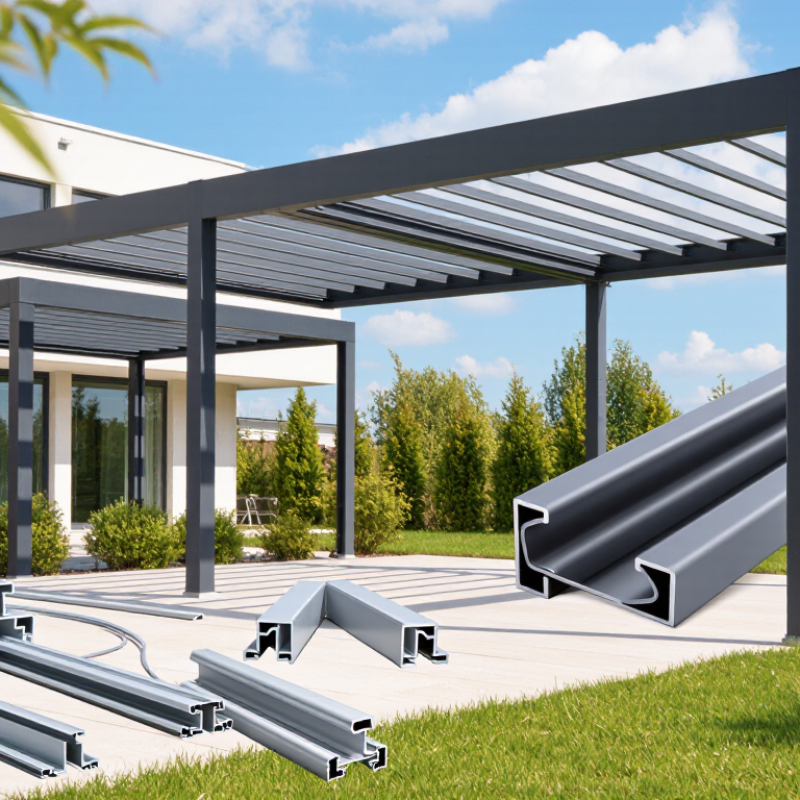
Choosing the right Aluminum Profile For Pergola can shape a project’s strength, appearance, and service life. A profile is not merely a metal bar. It carries roof loads, guides drainage, supports fasteners, and frames outdoor living spaces.
Architect Ludwig Mies van der Rohe said, “Less is more.” His principle remains useful when evaluating aluminum systems. Clean lines matter, but thin profiles must still resist wind, rain, corrosion, and repeated movement. A beautiful pergola can fail when the extrusion is undersized.
This guide examines the Top 10 Aluminum Profile For Pergola Manufacturers through practical criteria. These include alloy selection, extrusion accuracy, wall thickness, surface treatment, customization, testing, and delivery reliability. It also considers details often missed in product catalogs. Think of corner joints, concealed channels, drainage paths, and the fit between profile and connector.
Small details matter.
An experienced installer may notice a loose joint after one storm. A buyer may notice powder-coating variation under direct sunlight. Neither issue is easy to judge from photographs alone. That is why manufacturer claims should be compared with technical drawings, finish samples, load data, and verified project experience.
The ranking is not absolute. Local climate, span length, budget, and installation skill can change the best choice. Some suppliers offer impressive customization but limited engineering support. Others provide strong technical documentation but less design flexibility.
That trade-off deserves attention. A reliable manufacturer should explain limitations, not only promote advantages. This introduction provides a grounded starting point for comparing leading suppliers and selecting a pergola profile system that performs beyond the showroom.
Top 10 Aluminum Profile For Pergola Manufacturers
A reliable pergola profile starts with verified alloy data, not polished photographs. 6063-T5 aluminum has a nominal density near 2.70 g/cm³ at room temperature. That figure supports accurate weight estimates for rafters, posts, and drainage channels. Actual mass still changes with wall thickness and extrusion tolerances.
The T5 temper means the extrusion is artificially aged after cooling from shaping. ASTM B221 covers aluminum alloy extruded bars, tubes, and profiles. EN 755-2 provides mechanical property requirements, while EN 755-9 addresses profile tolerances. These standards help buyers compare manufacturers using measurable evidence. They do not replace structural calculations for wind, snow, or connection loads.
The USGS Mineral Commodity Summaries 2024 lists building and construction among major aluminum-use sectors. The International Aluminium Institute reports that recycled aluminum can require up to 95% less energy than primary aluminum production. Responsible manufacturers should therefore disclose alloy certificates, recycled content, surface-treatment details, and batch traceability. Ask for test records.
Density is only one piece. A strong-looking profile can still fail through thin walls, poor drainage, or weak fasteners. This is where supplier reviews become less comfortable. Some catalogs show attractive cross-sections but omit temper verification. That omission deserves questions. Surface finish also needs attention because coastal air, trapped water, and cut edges can accelerate visible deterioration. End caps and drainage paths are small details, but they often decide long-term performance.
Top 10 Aluminum Profile for Pergola Manufacturers
Top 10 Manufacturers Ranked by Wall Thickness, Span, Load, and 6063-T5 Supply
The top ten manufacturers should be judged by measurable engineering data, not polished catalog images. Wall thickness is a practical starting point. Profiles around 1.5 to 2.5 millimeters may suit light residential roofs, while larger spans often require thicker sections and internal reinforcement. Every claim needs a current technical drawing.
Span changes the entire design. A four-meter beam behaves differently from a six-meter beam under wind, rain, and attached blinds. Strong manufacturers provide load tables, allowable deflection, alloy certificates, and connection details. Look for 6063-T5 aluminum with consistent temper control, accurate extrusion dimensions, and stable surface treatment. These details affect cutting, fitting, and long-term appearance.
A reliable ranking also examines production capacity and supply continuity. Can the factory repeat the same wall thickness across large batches? Can it maintain 6063-T5 availability during seasonal demand? Packaging matters too. Bent profiles can ruin a careful installation. In practical comparisons, the strongest suppliers combine deeper profiles, tested spans, higher load ratings, and dependable documentation. Numbers still need context. A reported 150-kilogram load may apply only to a short, supported beam. Site conditions can change everything. No ranking is perfect. I would recheck wind zones, drainage, fasteners, and local structural requirements before approving a purchase. Small oversights become expensive on site.
Top 10 Aluminum Profile For Pergola Manufacturers
For pergola profiles, coating thickness strongly affects surface protection. Powder coating at 60–80 μm creates a thicker, continuous layer over aluminum. It usually offers better resistance against scratches, moisture, and outdoor wear. Anodizing at 10–25 μm forms a harder oxide surface within the metal. It resists fading and minor abrasion well, but deep scratches can be difficult to repair. Thickness alone does not decide durability. Pretreatment, alloy quality, drainage design, and installation also matter. That point is often underestimated.
In practical site inspections, powder-coated profiles perform well in gardens, patios, and moderate coastal areas when the coating is applied evenly. Anodized profiles can suit modern projects requiring a natural metallic appearance and stable color. However, salty air, trapped water, and careless transport may shorten either finish’s service life. A thicker coating cannot fix poor surface preparation. I have seen attractive profiles fail early because cut edges were left exposed. This is a useful reminder: specifications need field verification.
Tips: Ask manufacturers for coating thickness records, pretreatment details, and weathering test data. Check corners, cut ends, and drainage paths before installation. For coastal pergolas, request suitable corrosion protection and inspect fasteners for compatibility. Choose powder coating for broader color options and repair flexibility. Choose anodizing when a durable metallic appearance matters more. Measure real samples when possible. Small differences can matter.
Anonymous technical benchmark of common architectural Aluminum Pergola Profile specifications. Values represent practical industry ranges and should be confirmed against the applicable coating, anodizing, alloy, and project standards.
| No. | Anonymous Manufacturer Profile | Typical Aluminum Alloy | Powder Coating Thickness | Anodizing Thickness | Durability Advantage | Recommended Environment | Maintenance Guidance |
|---|---|---|---|---|---|---|---|
| 1 | Profile Manufacturer A | 6063-T5 / 6063-T6 | 60–80 μm; uniform architectural finish | 10–25 μm; architectural anodic layer | Powder coating provides a wider color range and stronger visual coverage; anodizing retains a natural metallic appearance and will not peel like an organic film. | Residential and commercial outdoor pergolas; coastal use requires suitable pretreatment and regular cleaning. | Wash with clean water and a mild detergent at least twice yearly; increase frequency in marine or industrial areas. |
| 2 | Profile Manufacturer B | 6063-T5 | 60–75 μm; polyester powder system | 10–20 μm; clear or colored anodic finish | Powder coating offers strong weathering performance when pretreatment, curing, and film thickness are controlled; anodizing offers good UV color stability. | Urban terraces, gardens, hospitality areas, and moderate-salt environments. | Inspect annually for scratches, edge damage, fastener corrosion, and blocked drainage channels. |
| 3 | Profile Manufacturer C | 6063-T6 | 65–80 μm; textured or smooth finish | 15–25 μm; medium-to-heavy architectural anodizing | The thicker powder film can improve edge and handling protection; anodizing remains tightly integrated with the aluminum surface and is suitable for metallic finishes. | High-use residential developments and covered outdoor dining spaces. | Use non-abrasive cloths; avoid strong acids, alkalis, solvents, and abrasive cleaners on both finishes. |
| 4 | Profile Manufacturer D | 6063-T5 / 6061-T6 connectors | 60–80 μm; corrosion-resistant pretreatment required | 10–25 μm; sealed anodized surface | Both systems can provide long outdoor service when correctly applied; sealing is especially important for anodized parts exposed to moisture and salts. | Poolside pergolas, balconies, and humid climates. | Rinse salt, chlorine residue, and airborne deposits regularly; do not allow deposits to dry on the surface. |
| 5 | Profile Manufacturer E | 6063-T5 | 70–80 μm; high-build architectural powder finish | 15–25 μm; bronze, black, or natural tones | Powder coating is generally easier to specify in custom colors; anodizing provides a hard surface with consistent metallic character when color matching is controlled. | Contemporary residential and low-rise commercial projects. | Clean every three to six months depending on exposure; repair exposed aluminum promptly after impact damage. |
| 6 | Profile Manufacturer F | 6063-T6 | 60–70 μm; smooth or fine-textured finish | 10–20 μm; clear anodized finish | Anodizing provides strong resistance to ultraviolet degradation and surface wear; powder coating can offer better concealment of minor extrusion color variation. | Low- to medium-density urban environments with normal rainfall. | Check joints, drainage holes, and cut ends during routine building maintenance inspections. |
| 7 | Profile Manufacturer G | 6063-T5 / 6061-T6 fittings | 65–75 μm; durable exterior powder system | 15–25 μm; sealed colored anodizing | Powder coating can provide better design flexibility for dark or bright colors; anodized finishes are less susceptible to organic-film delamination. | Hotels, restaurants, retail courtyards, and landscaped public areas. | Remove bird droppings, plant residue, and construction dust quickly to minimize staining and localized corrosion. |
| 8 | Profile Manufacturer H | 6063-T5 | 60–80 μm; outdoor polyester powder coating | 10–25 μm; anodized architectural finish | Powder coating can deliver strong barrier protection over properly pretreated aluminum; anodizing provides a thin, hard oxide layer that remains part of the substrate. | Suburban pergolas, garden structures, and moderate-weather regions. | Use pH-neutral cleaning products and inspect areas around screws, brackets, hinges, and drainage outlets. |
| 9 | Profile Manufacturer I | 6063-T6 / 6005A-T6 beams | 70–80 μm; high-durability exterior finish | 15–25 μm; heavy architectural anodizing | Higher film thickness may improve resistance to handling marks and minor abrasion, while heavier anodizing can improve surface hardness and wear resistance. | Large-span pergolas and high-traffic commercial outdoor areas. | Schedule documented inspections at least annually and after severe storms or mechanical impact. |
| 10 | Profile Manufacturer J | 6063-T5 | 60–75 μm; standard exterior powder finish | 10–20 μm; natural or medium-bronze anodizing | Both finishes are suitable for pergola applications when the design avoids water traps and dissimilar-metal contact; coating selection should follow exposure and appearance requirements. | General residential, recreational, and light-commercial applications. | Keep surfaces clean and dry where possible; use compatible isolating washers at connections with dissimilar metals. |
A pergola profile is not thermally efficient simply because it contains aluminum. A genuine thermal break separates interior and exterior aluminum with reinforced polyamide strips. This reduces conductive heat transfer through the frame. In tested assemblies, frame U-values may reach approximately 1.5–2.5 W/m²·K, depending on depth, glazing, and hardware. Profile data alone can mislead.
Ask manufacturers for declared Uf values, test conditions, and calculation methods. Whole-system Uw values matter more when the pergola includes glass panels or insulated roofing. I have seen attractive specifications fail during project review because the quoted value excluded connectors and drainage components. Check the details.
Water management needs equal attention. Sloped rebates, internal channels, and correctly positioned weep holes should guide rainwater outside. Gaskets must maintain compression at corners, joints, and moving sections. EPDM or comparable weather seals can perform well, but poor corner welding or uneven installation creates leakage paths. Small gaps matter.
A useful evaluation includes water penetration testing, such as controlled air and spray procedures under recognized standards. Review pressure levels, leakage observations, and drainage recovery time. Do not accept “waterproof” as a complete performance claim. Some systems pass laboratory tests but struggle after dust, thermal movement, or repeated opening cycles. That weakness deserves honest discussion.
A credible pergola manufacturer should explain EN 1090 clearly. Ask whether certification covers aluminum structural components, production control, and the required execution class. A logo or scanned certificate is not enough. Verify the certificate number, scope, issuing body, and expiry date. EN 1090 compliance may also support CE marking requirements for relevant European construction products.
ISO 9001 is useful, but it does not guarantee perfect profiles. The ISO Survey 2023 reported more than 1.26 million ISO 9001 certificates worldwide. This scale shows broad adoption, not automatic quality. Request inspection records for alloy grade, wall thickness, coating thickness, welds, and dimensional tolerance. A useful factory should provide traceability from billet or extrusion batch to packed components. Small details matter.
MOQ and lead time reveal operational discipline. Ask for separate quantities for standard profiles, custom extrusion, colors, and tooling. Confirm whether lead time begins after deposit, drawing approval, or final sample approval. For planning, request a written schedule with inspection and shipping dates. Warranty terms should state coverage length, corrosion limits, finish exclusions, replacement procedures, and labor responsibility.
“Lifetime warranty” sounds strong. Sometimes, it is vague. Review weathering test results, not promises alone. I would also challenge unusually short lead times; perhaps efficiency explains them, but perhaps inspection steps were skipped.
© 2025 Messer Cutting Systems, Inc.