Top 5 Tips for Choosing the Best Power Press Machine?
Choosing the right Power Press Machine can significantly impact production efficiency. The global power press machine market is projected to reach $3 billion by 2025, according to a recent industry report. This growth reflects rising demands in various sectors, emphasizing the need for quality equipment.
Expert David Thompson, a leading engineer in manufacturing technology, notes, "Investing in a reliable Power Press Machine is crucial for optimizing output." His insights highlight that choosing the best machine involves more than just price. Factors such as durability, energy efficiency, and support services matter significantly.
Making an informed choice can be challenging. Many companies face hurdles due to a lack of comprehensive information. The increasing number of options can lead to confusion. Therefore, understanding essential features and capabilities is key for businesses aiming for long-term success. Examining these elements will help ensure the selected Power Press Machine meets specific operational requirements.
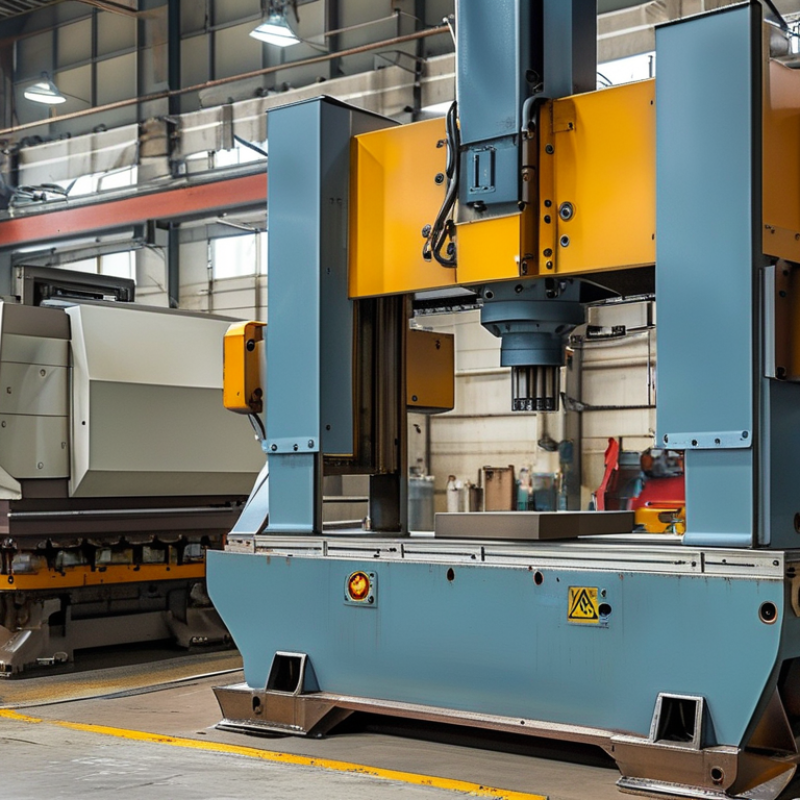
Understanding the Different Types of Power Press Machines Available
When selecting a power press machine, understanding the various types is essential. There are mechanical, hydraulic, and pneumatic options. Each type serves different purposes and has unique advantages. Mechanical power presses are known for speed and efficiency. They excel in high-volume production. Hydraulic presses, on the other hand, offer greater force and can handle thicker materials. They are preferred for intricate shaping tasks. Lastly, pneumatic presses utilize air pressure and are ideal for lighter applications.
As you explore your choices, consider the machine's tonnage rating. This indicates the maximum force it can exert. Ensure it matches your production needs. Another important tip is to check the machine's build quality. Sturdy construction leads to better performance and longevity.
It's also wise to look into safety features. Many machines come with guards and automatic shut-off functions. These enhance user safety significantly. Think about maintenance requirements too. Machines that require extensive upkeep might not be the best long-term investment. Always reflect on how the machine fits into your workflow. This helps in making a more informed choice.
Assessing the Material Compatibility for Your Power Press Applications
When selecting a power press machine, material compatibility is crucial. Various materials, such as metals, plastics, and composites, demand different handling characteristics. For instance, when working with metals, consider their thickness and hardness. A machine may excel with softer metals but struggle with denser materials.
It's also vital to think about production requirements. High productivity may require machines equipped to handle specific materials efficiently. Operators should assess the machine's ability to manage temperature changes or strain during pressing. Overlooking these aspects can lead to production issues.
Inconsistent results can stem from poor material-machine pairing. Not every machine is built for every material. Testing different combinations can reveal limitations. Understanding the nuances of material compatibility can help avoid future complications.
Top 5 Tips for Choosing the Best Power Press Machine
| Tip | Description | Material Compatibility |
| Tip 1 | Evaluate the types of materials you will be working with. | Steel, Aluminum |
| Tip 2 | Consider the thickness of the material. | Up to 10 mm |
| Tip 3 | Understand the material's tensile strength. | < 400 MPa |
| Tip 4 | Assess the production volume requirements. | 1000 units/month |
| Tip 5 | Check for compatibility with existing machinery. | Overall system integration |
Evaluating Power Press Machine Specifications and Capabilities
When choosing a power press machine, evaluating specifications and capabilities is crucial. Start by examining the machine's tonnage. This metric defines the maximum pressure it can exert. Make sure to match the tonnage with the demands of your projects. Too low might lead to inefficient results, while too high can waste energy and increase costs.
Next, consider the stroke length. A longer stroke allows for more versatility in the type of work it can handle. If your projects require varied depths, prioritize machines with adjustable stroke lengths. Additionally, the speed of operation matters. Faster machines can improve productivity, but be cautious. Rapid strikes may not always ensure precision.
Lastly, check the construction materials of the machine. Steel frames often denote durability and stability. However, some machines might use lighter materials to enhance portability. This trade-off can affect long-term performance. Documenting and reflecting on your project's needs will ultimately guide you in selecting the right power press machine.
Analyzing User Reviews and Industry Ratings for Power Press Machines
When choosing a power press machine, user reviews and industry ratings play a crucial role. They offer insights from those who directly use these machines. Positive reviews highlight ease of use and durability. Conversely, negative feedback often points to malfunction issues or inadequate support from manufacturers. A thorough evaluation of these reviews can directly influence your purchasing decision.
One tip is to seek machines with a strong reputation for reliability. Users appreciate machines that perform consistently, even under heavy loads. Pay attention to comments regarding the machine’s performance over time. Look for efficiency in both operation and energy consumption, as these factors matter greatly.
Another important aspect is to understand the user's needs. Users should assess how often they will use the machine and the type of projects they will undertake. A machine suitable for light tasks may not perform well for industrial needs. By analyzing feedback on different experiences, you can better match a power press machine to your specific requirements. This ensures longevity and satisfaction with your purchase.
Considering the Cost-Benefit Analysis of Power Press Investments
Investing in a power press machine requires careful consideration. Sometimes, businesses overlook the long-term benefits. A cost-benefit analysis helps clarify the true value. It’s not just about upfront costs. Consider factors like efficiency, maintenance, and lifespan. A machine’s ability to reduce labor cost can pay off quickly.
While cheaper options may seem appealing, they can lead to higher operational costs. Think about ease of use and reliability. If a machine frequently breaks down, it will cost more in repairs. Time lost during downtime adds to the total expense. It’s wise to factor in training costs for new equipment.
Evaluate the machine's technology. Advanced features often increase productivity. However, they come at a price. Knowledge of industry standards can help in decision-making. Also, remember that some brands might have better after-sales support. Reliability in service can save money in the long run. Investment in the right power press machine offers significant returns when chosen wisely.