Top Tips for Choosing the Right Pneumatic Actuator?
When selecting a Pneumatic Actuator, making the right choice is crucial. As Robert King, a leading expert in fluid dynamics and automation, once said, “The right actuator can make or break your system’s performance.” This emphasizes the importance of understanding your specific needs.
Pneumatic actuators are essential in various industries. They convert compressed air into mechanical motion. However, factors like size, force, and speed must be carefully considered. An inadequate actuator can lead to inefficiency or even system failures. Choosing the right one involves a thorough analysis of your application requirements.
Understanding the intricacies of pneumatic actuators is not always straightforward. Mismatched specifications could lead to costly mistakes. It’s vital to consult with professionals who have extensive experience. Balancing cost with functionality is also key. Careless decisions can cause long-term problems in your operations.
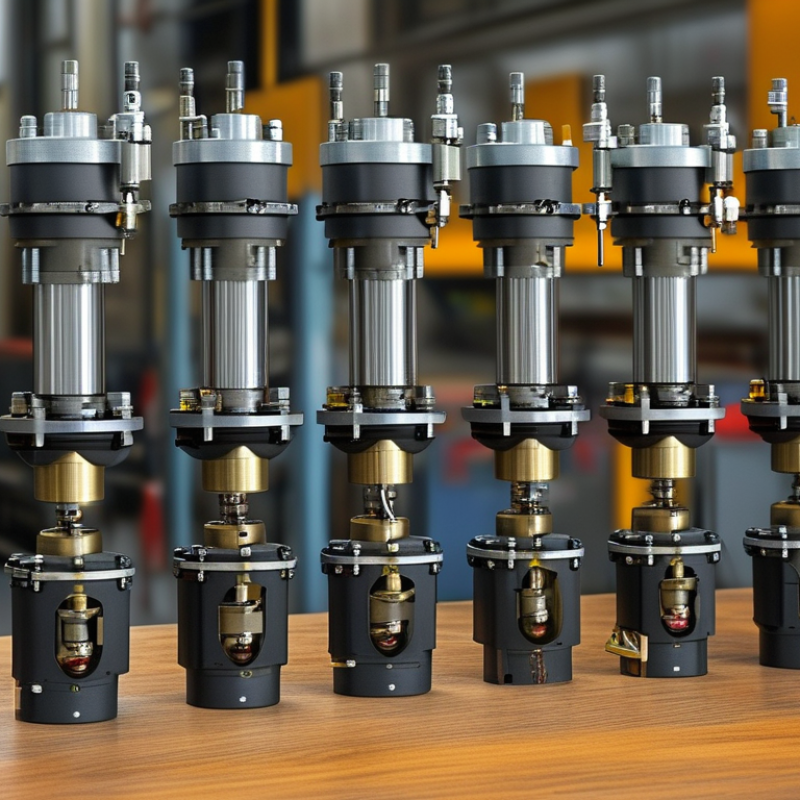
Understanding Pneumatic Actuators: Types and Functionality
Pneumatic actuators are essential components in various industrial applications. They convert compressed air into mechanical motion. Understanding the different types of pneumatic actuators can help in selecting the right one for your needs.
There are primarily two types: linear and rotary pneumatic actuators. Linear actuators provide straight-line movement. They are commonly used in applications such as valves and clamping systems. Rotary actuators, on the other hand, deliver circular motion. They often operate in applications involving conveyors and positioners.
When choosing an actuator, consider the air pressure and flow rates. These factors influence the actuator's performance and efficiency. It's crucial to match the actuator with the intended load and speed requirements. However, some users may overlook these details, which can lead to underperformance. Reflecting on these aspects ensures a better match for your specific application.
Key Factors to Consider When Selecting a Pneumatic Actuator
Choosing the right pneumatic actuator requires careful consideration of several key factors. First, evaluate the application's requirements. Understand the pressure and temperature limits. Different materials may be needed for varying environments. This helps in ensuring durability and efficiency during operation.
Consider the actuator's size and weight relative to the system. A compact design may be necessary for tight spaces. However, a larger actuator may provide more force. Striking this balance is essential for optimal performance. Assess the responsiveness and speed as well; these factors directly impact productivity. Ensure it fits seamlessly within your existing setup.
Another crucial element is control type. Do you require modulating control or on/off functionality? Different systems demand distinct control modes. It is vital to choose an actuator that aligns with your control needs. Lastly, think about maintenance requirements. Some designs may require frequent servicing, while others offer simplicity. Weigh these aspects to achieve a successful selection process. The details matter greatly in ensuring efficiency and reliability in your operations.
Top Tips for Choosing the Right Pneumatic Actuator
This bar chart illustrates the importance level of various factors to consider when selecting a pneumatic actuator, aiding in making informed decisions.
Evaluating Performance Parameters for Pneumatic Actuators
When evaluating pneumatic actuators, performance parameters are crucial. Start by assessing the actuator's response time. A faster response can enhance system efficiency, but it must match the application requirements. Some actuators may promise speed but fail to deliver under load.
Another important factor is thrust force. It dictates how effectively the actuator can perform its task. Calculate potential load requirements and ensure the actuator can handle them. Sometimes, users overlook this aspect and face operational challenges later.
Here are a few tips for choosing wisely. Consider the medium the actuator will operate in. Environmental factors like temperature and humidity can impact performance. Also, think about maintenance needs. A low-maintenance actuator can save time and costs in the long run. Always weigh performance against long-term reliability.
Assessing Compatibility with Existing Systems and Applications
When selecting a pneumatic actuator, assessing compatibility is crucial. Research indicates that 40% of project delays stem from mismatched components. Understanding system requirements is vital for project success. The actuator must meet existing pressure ranges and space constraints. Review the specifications to determine if the actuator can fit into available designs without modifications.
Consider existing control systems. A pneumatic actuator that isn’t compatible can cause significant workflow disruptions. For example, data shows that integrating incompatible systems increases maintenance costs by 25%. This burden can lead to resource misallocation and reduced operational efficiency. Testing integration with simulations can reveal hidden incompatibility risks before implementation.
Regular evaluation of your applications also matters. An actuator suitable now may not fit future needs. Systems evolve, and agility in components becomes necessary. Seek input from engineers who understand the dynamics of current operations. Their insights can guide better choices and avoid costly mistakes, ensuring long-term viability in your processes.
Maintenance and Support: Ensuring Longevity of Pneumatic Actuators
Maintaining pneumatic actuators is crucial for their efficiency and longevity. Regular inspections can identify wear and tear before they escalate into bigger issues. Operators should watch for leaks or unusual sounds that could indicate a problem. It’s safer and more cost-effective to address minor repairs promptly. Ignoring small signs can lead to major failures.
Another effective tip is to keep actuators clean and free of contaminants. Dust and debris can hinder their performance. Routine cleaning not only improves efficiency but also extends their lifespan. Operators should implement a cleaning schedule and ensure it’s followed consistently. Remember, attention to your actuator's condition can save you from unexpected downtime.
Moreover, consider the environmental conditions where the actuators operate. Extreme temperatures or humidity can affect performance. Using actuators suited for specific environments can enhance reliability. Ultimately, investing time in maintenance creates a more resilient and efficient system, reflecting positively on overall operations.