Ultimate Tips for Choosing the Right Packaging Paper?
Choosing the right packaging paper is essential for any business. The right choice can enhance your brand image and ensure product safety. Packaging paper varies in texture, strength, and sustainability. Each option presents unique benefits and challenges.
Consider your product’s specific needs. Are you shipping fragile items? Then, thicker packaging paper may be necessary. Do you want to promote eco-friendliness? Opt for recycled materials instead. Each decision impacts customer perception. Look for reliable suppliers who offer high-quality options.
However, navigating the options can be overwhelming. Many companies struggle to balance cost and quality. This is where experience and research come into play. Gathering feedback from experts and peers can guide your choices. Balancing these elements ensures you select the best packaging paper for your needs.
Understanding Different Types of Packaging Paper and Their Uses
When selecting the right packaging paper, understanding the various types is crucial. Kraft paper is a popular option, known for its strength and durability. It is biodegradable, making it an environmentally friendly choice. According to a report by Smithers Pira, the global market for sustainable packaging is projected to reach $500 billion by 2027, indicating a significant shift towards eco-conscious materials.
Another type is tissue paper, valued for its lightweight and decorative qualities. It is often used for wrapping gifts or as protective padding. The versatility of tissue paper allows brands to enhance their packaging aesthetics. A study from Freedonia Group states that demand for specialty papers is expected to rise by 3.5% annually through 2025, reflecting changing consumer preferences.
Corrugated paper is ideal for shipping and heavy-duty applications. Its structural strength helps protect contents during transit. However, it's essential to evaluate its thickness and grade. For lighter items, a thinner gauge might suffice, while heavier products need sturdier options. Balancing cost with functionality often poses challenges, highlighting the need for careful consideration before finalizing packaging choices.
Factors to Consider When Choosing Packaging Paper for Your Products
When selecting packaging paper, several factors need consideration. The weight and thickness of the paper play crucial roles in durability. For instance, papers weighing over 200 gsm are often more robust for shipping heavy items. A study by Smithers Pira indicates that 80% of consumers believe packaging quality impacts their purchase decisions. Thus, choosing the right paper can influence overall customer satisfaction.
Tips: Always test paper samples for strength and appearance. Evaluate if the chosen paper works harmoniously with your product. Color and texture matter too. Customers often associate certain textures with quality. Using uncoated paper may lend a tactile feel that conveys authenticity. Interestingly, many companies overlook environmental impact. Sustainable options like recycled paper or biodegradable materials are gaining popularity. Approximately 66% of global consumers prefer brands that practice sustainability.
Price is another critical aspect. Higher quality often means higher cost, but we should ask: is it worth the investment? Sometimes, cheaper paper leads to damage in transit, which can cost more in the long run. Evaluating the total cost, including potential losses, is essential.
Comparing Eco-Friendly vs. Conventional Packaging Paper Options
When considering packaging paper, the debate between eco-friendly and conventional options is crucial. Eco-friendly packaging often uses recycled materials and is biodegradable. According to the EPA, recycling paper can reduce greenhouse gas emissions by up to 29%. This shows its positive impact on the environment. Yet, some businesses still prefer conventional packaging for cost-effectiveness. Conventional paper can be less expensive upfront, though its long-term environmental costs may outweigh these savings.
Choosing the right type involves careful consideration. Look for certifications like FSC or SFI to ensure the paper's sustainability. Opt for paper made from recycled content. This often supports a circular economy while reducing landfill waste. A study by Smithers Pira indicates that eco-friendly packaging is gaining traction, expected to reach $500 billion by 2024. This statistic highlights a market shift towards sustainability.
Consider durability as well. Not every eco-friendly option holds up under pressure. Testing for strength is essential, especially if you’re packaging fragile items. Many consumers now factor in sustainability in their purchasing decisions. Failing to address this can alienate potential customers and weaken your brand reputation over time.
Tips for Sourcing and Purchasing Quality Packaging Paper
When sourcing quality packaging paper, it's essential to prioritize the right materials. Look for options that offer durability and aesthetic appeal. The texture and weight of the paper can significantly impact the presentation of your products. Consider using recycled materials for an eco-friendly approach. This choice demonstrates environmental responsibility and can attract conscious consumers.
Engage with suppliers who show expertise in the packaging industry. Request samples to assess quality firsthand. Evaluate factors like thickness and printability. Some papers may look good but fail to hold up during shipping. Reading reviews and testimonials can provide insights into a supplier's reliability. Ultimately, a trusted supplier can simplify the purchasing process significantly.
Price shouldn’t be the only determinant. Sometimes, cheaper options yield poor results. Remember, investing in higher quality packaging can enhance brand perception. A well-packaged product creates a lasting impression. Reflect on past purchasing experiences. Were there issues with quality? Learning from those moments can guide better decisions going forward.
Ultimate Tips for Choosing the Right Packaging Paper
Creative Ideas for Customizing and Branding Your Packaging Paper
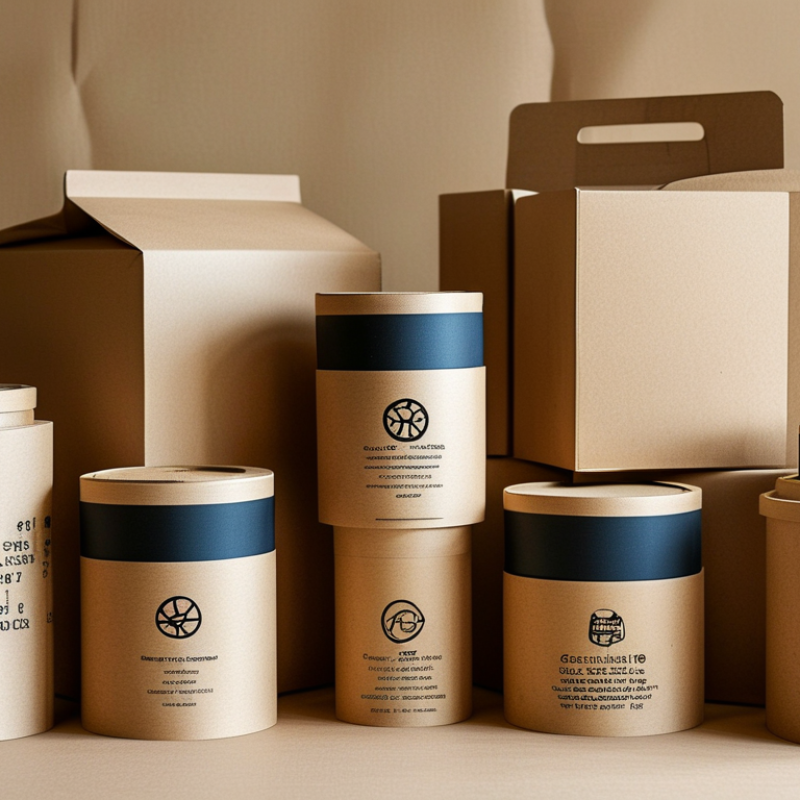
Customizing packaging paper can give your brand a distinct identity. Consider unique textures and colors that resonate with your audience. For instance, using recycled kraft paper reflects sustainability. It shows care for the environment, which appeals to eco-conscious consumers. Adding a personal touch makes a notable difference.
Incorporating logos and custom designs is another great option. Digital printing allows for vivid imagery and intricate designs. A well-placed pattern can enhance recognition. Handwritten notes or stamps add an authentic feel. These small gestures can elevate the unboxing experience, making it memorable.
Yet, striking a balance is essential. Overly complex designs can confuse customers. Too many colors may clash, distracting from your message. Reflecting on your brand's essence helps in choosing the right elements. Aim for clarity and simplicity while infusing creativity.