Top Tips for Choosing Your Automatic Quilting Machine?
Choosing the right Automatic Quilting Machine can significantly impact your quilting experience. With the industry growing rapidly at an annual rate of 6.5% from 2020 to 2025, the options available can be overwhelming. The right machine can enhance creativity and productivity. According to renowned quilting expert Emily Williams, “Investing in a quality Automatic Quilting Machine is crucial for quilters who want to elevate their craft.”
To navigate this market, it is essential to consider the features that matter most. These include stitch quality, ease of use, and durability. Reports indicate that 70% of quilters prioritize stitch accuracy when selecting a machine. Failing to understand these factors can lead to regretful purchases. Many new quilters find themselves underwhelmed by their choices, resulting in wasted time and money.
In a world with numerous options, understanding key specifications and user needs is vital. The best Automatic Quilting Machines offer a blend of technology and craftsmanship. However, many machines may not meet all expectations, creating a gap between reality and the ideal. It’s wise to approach this decision with care and knowledge.
Understanding the Key Features of Automatic Quilting Machines
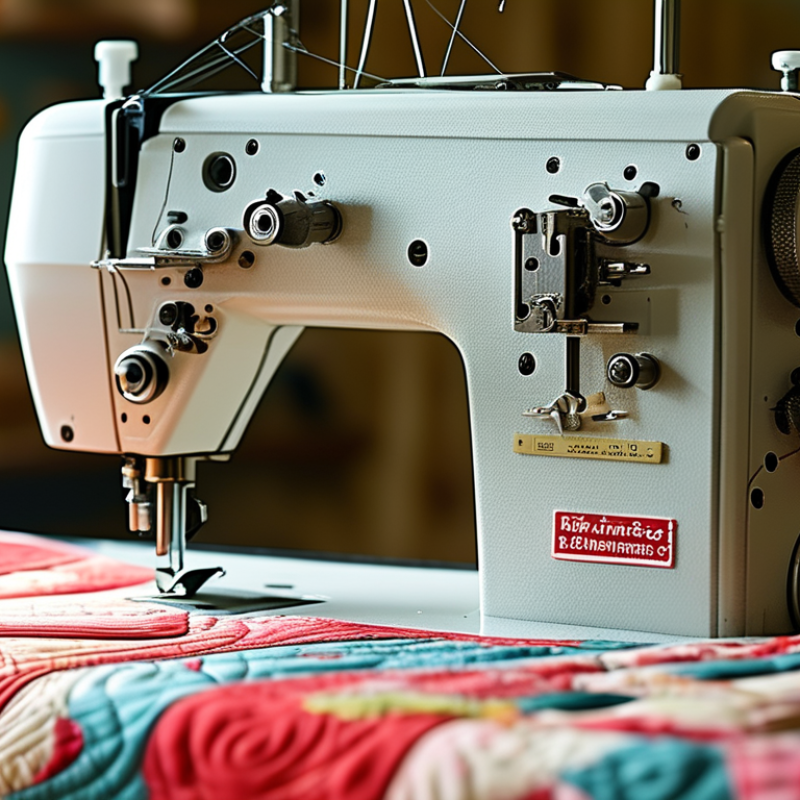
When selecting an automatic quilting machine, understanding key features is crucial. Look for stitch quality and variety. Quality stitches should feel consistent, regardless of the fabric type. Machines with multiple stitch options allow for greater creativity in your quilting projects.
The feeding mechanism is another vital aspect. A good machine should have smooth fabric handling. Issues with fabric slipping can ruin your work. Additionally, consider the throat space. Ample space allows for larger quilts, providing room for your projects to expand.
Lastly, ease of use matters. Consider user-friendly controls and a clear interface. Complicated machines can lead to frustration. Often, a simple setup helps in creating beautiful quilts without headaches. Reflecting on these features will guide you to make an informed choice.
Evaluating Stitch Patterns and Quality in Quilting Machines
When selecting an automatic quilting machine, it is essential to evaluate the stitch patterns and their overall quality. Different machines offer various stitch designs, so understanding your project needs is crucial. Look for machines that provide a mix of decorative and functional stitches. This versatility will serve you well in diverse projects.
Pay attention to the stitch consistency. Inconsistent stitches can ruin your quilting. Test the machine with various fabrics to gauge its capabilities. Inspect how the machine handles layers. Thick layers can pose challenges; a reliable quilting machine should handle them smoothly.
Tips for testing machines include examining the speed settings. A slow speed is ideal for beginners, while advanced quilters may appreciate high-speed options. Don’t overlook the machine's tension adjustments; perfect tension creates even stitch quality. Remember, a good machine will have a balanced stitch with no loose threads. This is a vital aspect to ensure your quilts maintain their integrity and beauty over time.
Assessing Machine Size and Workspace for Quilting Efficiency
When choosing an automatic quilting machine, evaluating the size and workspace is crucial. Larger machines often provide more quilting efficiency due to their wider throat space. According to a report by the American Quilter’s Society, a machine with at least 10 inches of throat space can handle king-size quilts more easily. This dimension allows quilters to maneuver bulky fabric layers without feeling constrained.
Workspace also matters. A cluttered area can hinder creativity. A clean, organized space can enhance focus and productivity. A recent survey found that quilters with dedicated workspaces reported a 30% increase in their satisfaction levels with projects. Stepping back to assess your setup may reveal inefficiencies. Is your workspace cluttered? Are your tools within easy reach?
In terms of portability, think about the machine's weight and your physical space. A heavy machine may require a dedicated table, while lighter models can be adjustable. Not every quilting enthusiast has the same experience. Some prefer a stationary setup, while others benefit from a mobile option. Reflecting on your style will help in making a wise investment.
Analyzing Cost vs. Value: Budgeting for Your Quilting Machine
When budgeting for an automatic quilting machine, it’s essential to analyze the cost versus the value you receive. A professional report from the Quilting Association highlights that investments in quality machines can range from $300 to over $5,000. Many artisans report that spending more on a durable, high-performance machine often translates to better results and longevity.
Consider your quilting needs. If you quilt occasionally, a mid-range machine may suffice. However, dedicated quilters require advanced features like programmable patterns or stitch quality. A survey revealed that 65% of quilters using higher-end machines reported increased satisfaction with their projects.
Tip: Evaluate features carefully. Do you need quilting software? This can add to your upfront cost but may save you time in the long run. Also, think about maintenance costs. Some machines require frequent servicing, which can add to your overall budget.
Remember, investing in a quilting machine isn't just about the initial price tag. Think of it in terms of long-term value. If a machine enhances your creativity and productivity, it may be worth the higher expense. Consider what will provide you more joy and efficiency in your quilting journey.
Researching Brand Reputation and Customer Reviews in the Quilt Industry
When selecting an automatic quilting machine, researching brand reputation is crucial. Look beyond advertisements. Seek feedback from seasoned quilters. Their insights can be invaluable. Online forums, blogs, and social media groups often share real experiences. This community knowledge helps gauge reliability.
Customer reviews provide a wealth of information. Dive into both positive and negative reviews. They reveal what users love and what could be improved. Pay attention to common themes. If multiple users mention the same issue, that might be a red flag. Look for instances of excellent customer service, which can often indicate a trustworthy brand.
Consider testing machines at local retailers. Physical interaction can highlight practical issues. A well-reviewed machine might not feel right in your hands. Listen to your intuition. A comprehensive understanding involves both facts and feelings about the machine. Ultimately, thorough research fosters informed decisions and can lead to a rewarding quilting experience.