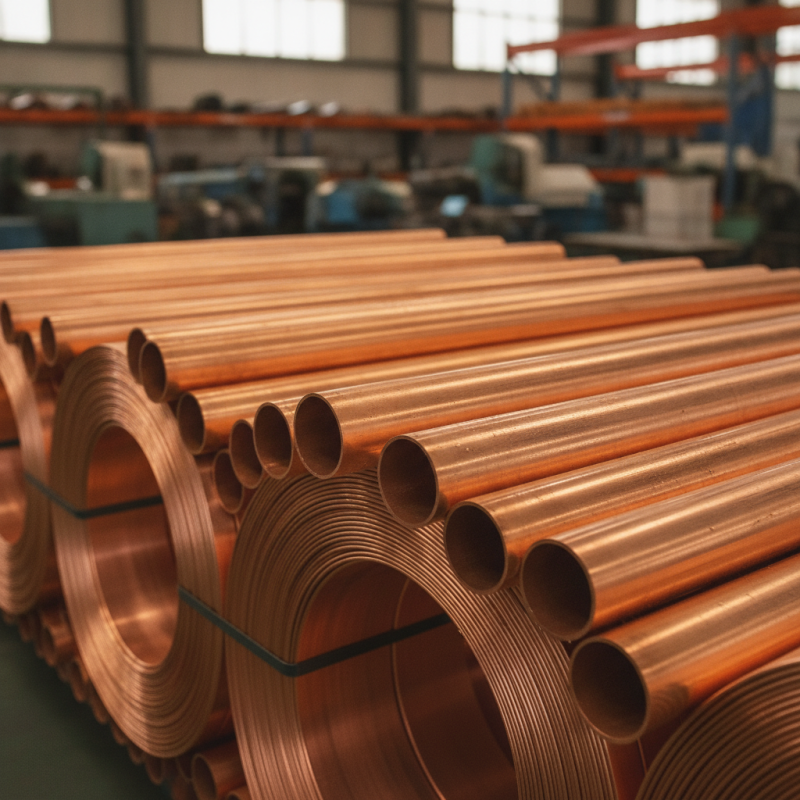
What is Seamless Copper Tubing and Its Benefits for Buyers?
seamless copper tubing is a vital material in various industries. Its unique properties make it an excellent choice for plumbing, air conditioning, and refrigeration systems. This type of tubing offers significant advantages over other materials, enhancing performance and reliability.
One notable benefit of seamless copper tubing is its resistance to corrosion. This durability ensures a longer lifespan in demanding environments. Additionally, the absence of seams reduces the risk of leaks, a common concern in many applications. Buyers can trust this material for its strength and reliability.
However, not all seamless copper tubing is created equal. Factors like thickness, diameter, and purity matter greatly. It’s essential for buyers to consider these details. The right choice can lead to efficiency and cost savings. Investing in quality seamless copper tubing can provide long-term benefits, making it a preferred option for sophisticated projects.
What is Seamless Copper Tubing?
Seamless copper tubing is a versatile and strong material widely used in various applications. Unlike welded tubing, seamless copper is made from a single piece of metal. This method provides higher durability and reliability. Reports indicate that seamless copper tubing can withstand high pressure without compromising safety or structural integrity. It is often the preferred choice in plumbing and HVAC systems due to its resistance to corrosion.
The manufacturing process allows seamless copper tubing to be more uniform in thickness. This uniformity ensures a consistent flow of liquids and gases. Additionally, seamless copper is known for its excellent thermal conductivity. According to industry analyses, seamless copper tubing has a thermal conductivity that can exceed 390 W/m·K. This property makes it ideal for use in refrigeration and heating applications.
**Tips:** When selecting seamless copper tubing, consider the specific requirements of your project. Take into account factors like temperature and pressure. Ensure you choose the right diameter and wall thickness for your needs. Regular maintenance is necessary to prevent buildup and ensure optimal performance.
The Manufacturing Process of Seamless Copper Tubing
Seamless copper tubing is notable for its robust manufacturing process. It begins with a solid copper billet, which is heated to a red-hot temperature. The heated metal is then pierced to create a hollow tube. This technique eliminates seams, offering superior strength. According to a report from the Copper Development Association, seamless tubing maintains a higher tensile strength than its welded counterparts, making it ideal for high-pressure applications.
The next step involves drawing the tube to desired dimensions. This process is precise and ensures consistency in wall thickness. Manufacturers often utilize advanced hydraulic systems for this purpose. They focus on creating tubes that meet strict industry standards, like ASTM B88. Quality control checks are vital at every stage. Testing for defects is essential. Despite the emphasis on quality, some imperfections can occur, impacting usability.
Seamless copper tubing exhibits excellent resistance to corrosion and thermal conductivity. Recent studies highlight that it can endure harsh environments longer than welded tubing. The initial investment may be higher, but durability offsets costs over time. Buyers should weigh these benefits against the production challenges. Constant monitoring and improvement in manufacturing techniques are crucial for maintaining standards.
Key Benefits of Using Seamless Copper Tubing
Seamless copper tubing offers distinct advantages for buyers in various industries. Its smooth, continuous surface stands out against welded alternatives. This feature reduces the chances of corrosion and leaks. Hence, it enhances the longevity of plumbing systems. The absence of seams makes this tubing robust and less prone to failure under pressure.
Another key benefit is its excellent thermal conductivity. This property makes seamless copper tubing ideal for HVAC systems and refrigeration applications. It allows efficient heat transfer, which can lead to energy savings for users. Buyers often appreciate the lighter weight compared to other materials. This makes handling and installation easier, particularly in tight spaces.
However, it's vital to consider cost implications. Seamless copper tubing can be more expensive than welded options. Buyers must weigh long-term savings against initial investment. Additionally, while its strength is commendable, improper handling can still cause damage. Understanding these factors is crucial for making informed decisions.
What is Seamless Copper Tubing and Its Benefits for Buyers? - Key Benefits of Using Seamless Copper Tubing
| Feature | Benefit |
| Corrosion Resistance | Longer lifespan and reduced maintenance costs. |
| High Thermal Conductivity | Improved efficiency in heat transfer applications. |
| Easy to Fabricate | Simplified installation and versatility in various applications. |
| Seamless Construction | Eliminates weak points, reducing risk of leaks. |
| Aesthetic Appeal | Provides a clean and professional look in visible installations. |
| Non-toxic | Safe for plumbing systems that transport drinking water. |
Common Applications of Seamless Copper Tubing
Seamless copper tubing is widely used across various industries for its unique properties. One common application is in plumbing systems. It offers excellent resistance to corrosion and high pressure. This makes it ideal for both residential and commercial plumbing. The smooth inner surface prevents blockages, ensuring a consistent water flow.
Another significant use of seamless copper tubing is in HVAC systems. Its thermal conductivity enhances heating and cooling efficiency. The lightweight nature of copper allows for easier installation in tight spaces. Additionally, seamless copper is essential in refrigeration systems, ensuring reliable operation. Many manufacturers prefer it due to its durability and reliability.
While seamless copper tubing is beneficial, it can be more expensive compared to other materials. Some buyers might hesitate due to initial costs. However, considering its longevity and minimal maintenance, the investment often pays off. Buyers should weigh these factors carefully before deciding. Understanding the specifics of your project can lead to better choices.
Factors to Consider When Purchasing Seamless Copper Tubing
When considering the purchase of seamless copper tubing, it is essential to evaluate several key factors. First, assess the specifications of the tubing. Different projects require different grades and sizes. Knowing the exact dimensions you need can save time and costs. It’s prudent to ask for samples. This allows you to verify the quality and gauge how well it suits your specific needs.
Another crucial aspect is the source of the copper tubing. Ensure that the supplier adheres to industry standards. Look for certifications. This ensures durability and reliability. Pricing might vary significantly among suppliers. While cost is important, it should not be the sole factor. Sometimes, cheaper options lack the necessary quality.
Finally, consider the delivery and service options of the supplier. Prompt delivery can impact project timelines. Communication is key. A good supplier is responsive and can provide expert advice. Take the time to review their reputation in the market. Customer feedback can reveal potential issues. These elements can ultimately guide your decision-making process in a significant way.