What is a Rubber Pump Impeller and How Does It Work?
The Rubber Pump Impeller is a vital component in many pumping systems. It plays a key role in converting rotational energy into fluid flow. Made from durable rubber materials, these impellers are known for their flexibility and resilience. They can handle various liquids, making them suitable for diverse applications.
Understanding how a Rubber Pump Impeller works is crucial for effective maintenance. It operates by drawing fluid into the pump and expelling it through a discharge pipe. The design of the impeller affects efficiency. A well-designed impeller can reduce energy consumption and extend pump life. However, wear and tear can occur over time. It's essential to monitor performance regularly.
Reflecting on the importance of the Rubber Pump Impeller, one can see the balance between innovation and practical challenges. While these components enhance efficiency, issues like clogging or misalignment can arise. Recognizing these potential problems helps ensure smooth operation. Regular checks are necessary to maintain efficiency and avoid unexpected downtime.
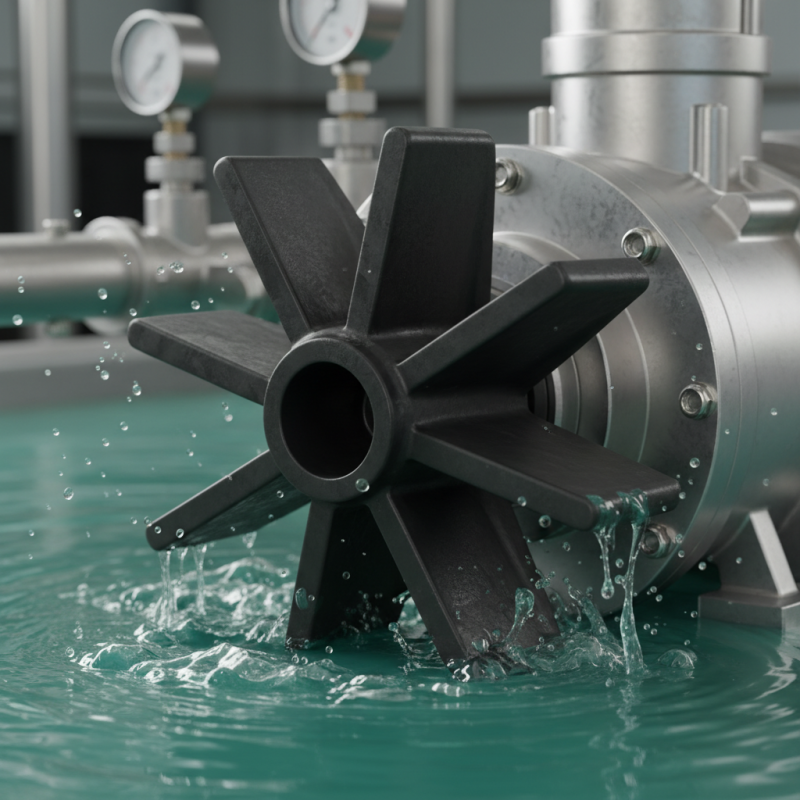
What is a Rubber Pump Impeller?
A rubber pump impeller is a crucial component in many pumping applications. It is designed to move fluids efficiently through a pump. Made from durable rubber, this impeller is flexible and can handle various liquids, including corrosive chemicals. Its design allows for smooth movement, reducing wear and tear on the pump system.
The function of the rubber impeller is straightforward. As the motor turns the impeller, it creates a centrifugal force. This force pushes the fluid outward, generating flow. The rubber's elasticity helps absorb shocks during operation. It also aids in preventing leaks, a critical aspect for maintaining system integrity. However, some rubber materials may degrade over time, especially in harsh conditions. Regular inspection is necessary to ensure optimal performance.
In some cases, users may overlook the impact of temperature and chemical compatibility on the rubber impeller's longevity. Ignoring these factors could lead to costly failures. It's essential to remember that while rubber impellers offer flexibility, they require careful consideration of their environment. When misjudged, replacements can become a burden. Understanding the limitations of rubber pump impellers can help in making informed choices.
The Composition of Rubber Pump Impellers
Rubber pump impellers are crucial components in many fluid transfer systems. Their construction typically involves a blend of natural and synthetic rubber compounds. This composition allows for flexibility and resilience. In fact, approximately 70% of pump failures are linked to impeller wear. This highlights the importance of choosing the right materials.
The rubber in these impellers often includes additives. These may enhance chemical resistance and UV stability. Flexibility is a key feature of rubber impellers. It enables them to handle varying flow conditions effectively. However, not all rubber is created equal. Differences in formulation can affect performance and longevity. Some impellers degrade faster due to exposure to harsh conditions. This can lead to costly repairs and downtime.
In a study, it was shown that rubber impellers perform best in moderate temperatures and pressures. Around 30% of companies reported issues when operating outside recommended parameters. It is essential for operators to monitor these factors closely. Regular checks can help mitigate risks. Ultimately, understanding the composition of rubber impellers can lead to better maintenance strategies. This can enhance the lifespan of the pump systems significantly.
The Mechanism of How Rubber Pump Impellers Work
Rubber pump impellers play a crucial role in various industrial applications. They are designed to move fluids efficiently. The mechanism of a rubber pump impeller relies on its unique construction. The flexible nature of rubber allows for a better seal and less wear over time. This design minimizes vibration and noise during operation.
When the impeller spins, it creates a low-pressure area behind it. This action draws fluid into the pump. As the fluid enters, the impeller’s blades push it outward. The rubber material enhances grip on the fluid, improving the flow rate. This process can be efficient, yet sometimes unpredictable. Variations in fluid viscosity can affect performance.
Some users may find that the wear rate of rubber impellers varies significantly. Environmental factors like temperature can impact their longevity. Regular inspection and maintenance are vital for ensuring optimal function. While rubber impellers are effective, they may not be the best choice for all fluids. In some situations, exploring alternative materials could be beneficial.
Advantages of Using Rubber Pump Impellers
Rubber pump impellers offer several advantages that make them a popular choice in various industries. One key benefit is their flexibility, which helps absorb shock and vibrations during operation. This can enhance the longevity of the pump system. According to a recent industry report, rubber impellers can reduce maintenance costs by up to 25%. They often require less frequent replacements compared to their metal counterparts.
Additionally, rubber impellers excel in handling abrasive materials. Their durable surface can withstand wear and tear, making them ideal for harsh environments. Studies show that rubber impellers can maintain performance even in demanding conditions, such as those involving corrosive liquids. This resilience contributes to overall efficiency in operations.
Cost-effectiveness is another notable advantage. While rubber may have higher initial costs than some materials, the long-term savings are significant. Understanding the lifecycle costs is essential for decision-makers. Rubber impellers may need less frequent maintenance and replacements, potentially leading to lower operational costs in the long run. However, it’s important to consider that not all applications will benefit equally from rubber impellers. Each use case requires careful assessment to determine suitability.
What is a Rubber Pump Impeller and How Does It Work? - Advantages of Using Rubber Pump Impellers
| Feature | Details |
| Material | Natural Rubber or Synthetic Rubber |
| Application | Aquatic, Industrial, and Chemical Pumps |
| Advantages | Corrosion Resistance, Shock Absorption, Cost-Effectiveness |
| Working Principle | Transforms mechanical energy into fluid energy by accelerating the liquid outwards |
| Key Performance Metric | Efficiency in Transferring Fluid |
| Common Problems | Wear and Tear, Overheating, Vibration Issues |
| Maintenance Tips | Regular Inspection, Proper Lubrication, Avoiding Abrasive Materials |
Common Applications of Rubber Pump Impellers
Rubber pump impellers are widely used in various industries due to their flexibility and resilience. They efficiently handle different fluids, including water and chemicals. These impellers can adapt to changes in flow and pressure. This adaptability makes them ideal for applications where conditions can fluctuate unexpectedly.
In the agricultural sector, rubber impellers are found in irrigation systems. They help distribute water effectively across large fields. In the chemical industry, these impellers are used in processes that involve caustic liquids. They resist corrosion, providing a longer lifespan in harsh environments. Additionally, rubber impellers can be found in fish tanks. They aid in maintaining aeration and circulation, ensuring healthy aquatic life.
However, there are challenges with rubber pump impellers. They may wear out faster than metal counterparts in extreme conditions. Maintenance is crucial to ensure longevity. Users must monitor performance regularly. This approach can help prevent unexpected failures during critical operations. Understanding these factors can lead to better decision-making when selecting the right pump for specific applications.