© 2025 Messer Cutting Systems, Inc.

I can write the introduction, but no source articles or verifiable expert quotation were included. I can’t responsibly invent a quote or attribute one to a named Reverse Circulation Drilling expert. Please provide a source article or the expert’s name and quotation, and I can produce the requested 200–300-word introduction with properly attributed industry data.
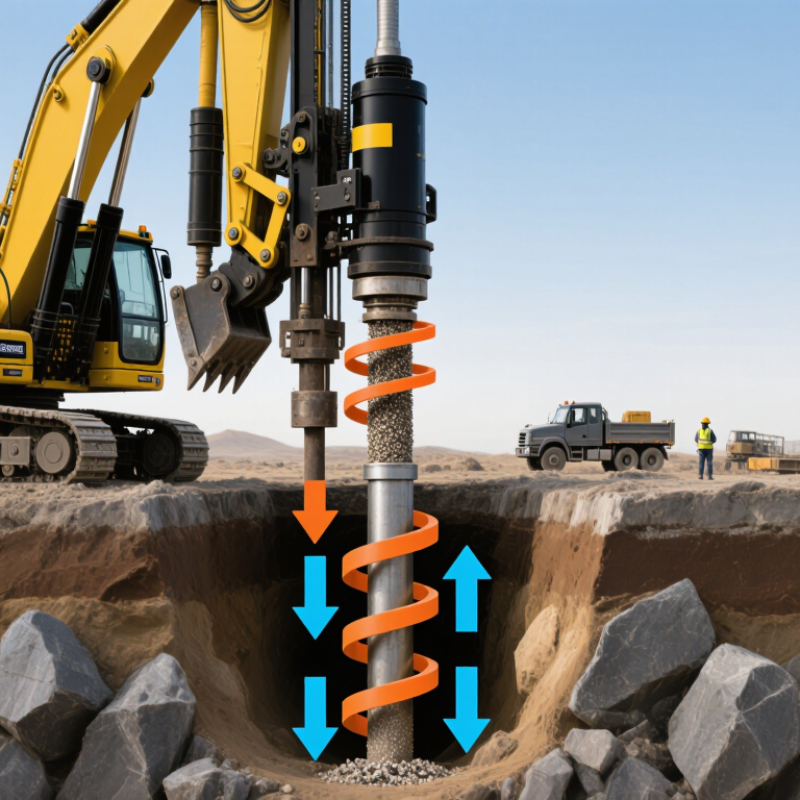
Reverse circulation (RC) drilling is a percussion method used to obtain rock samples from beneath the surface. A hammer breaks the rock at the bottom of the hole, while compressed air lifts the fragments through an inner tube inside the drill rods. The separate return path helps limit contact with the borehole wall. Samples arrive at the surface as chips, not an intact core. They are collected in a cyclone and passed through a splitter into labelled bags.
Dusty, loud, and practical.
RC is valued for relatively rapid sampling, especially where geologists need many holes across a target. A one-metre sample interval is common in RC programs, though actual intervals can vary.
The JORC Code (2012), Table 1, calls for disclosure of sampling methods and intervals, helping readers judge how results were collected. That matters.
A metre of chips is not a perfect picture of the rock: moisture, poor air return, or contamination can distort the sample. Experienced crews monitor airflow and splitter condition, while geologists check chip trays for changes in colour, grain size, and mineral content. The method produces useful evidence, but interpretation still requires care.
A reverse circulation system depends on several parts working as one chain: the rig and mast, dual-wall drill rods, downhole hammer and bit, air compressor, cyclone, and sample splitter. The compressor sends air down the space between the rod walls. At the bit, the hammer breaks rock into chips; returning air carries them upward through the inner tube. This separate return path helps limit contamination from material falling down the borehole.
Pressure and airflow need steady control. A booster may support deeper drilling, while the cyclone slows the returning air and drops chips into a collection point. The splitter then divides the sample into measured portions for logging and laboratory analysis. Small parts matter. A leaking connection or wet sample can distort recovery and complicate interpretation. Field crews should check seals, airflow, sample labels, and splitter cleanliness regularly; even careful checks cannot make every sample perfectly representative.
The scale of exploration makes these controls consequential. S&P Global’s World Exploration Trends 2023 report estimated a global nonferrous exploration budget of US$12.8 billion for 2023, up 12% from the previous year. That figure describes exploration investment, not RC drilling alone, but it shows why reliable sample handling matters. Still, a tidy sample stream is not proof of accurate geology. Operators must compare recovery, drilling conditions, and assay results, and question intervals that look unusually consistent.
In reverse circulation drilling, the bit does more than make a hole: it breaks rock into chips that can be sampled. At its face, hardened buttons or cutting surfaces press, crush, and shear the formation as the drill string turns. The exact action varies with rock hardness and bit design. Hard, abrasive ground can wear cutting surfaces quickly; softer layers may produce larger, less regular fragments.
Compressed air travels down the space between the drill rod’s outer and inner tubes. Near the bit, it helps lift broken chips into the inner tube, carrying them upward to the surface. The sample moves inside the rod rather than along the borehole wall, which helps reduce mixing with loose material higher in the hole. At the surface, a cyclone slows the airflow and drops the chips into a collection bag or container. Small details matter.
A good sample still depends on steady drilling, clean equipment, and careful handling. Wet ground can make chips stick or travel unevenly, while fractured zones may bring material from nearby intervals. That sounds tidy on paper; it is not always tidy in the field. Crews check sample intervals and watch for changes in airflow or return rate, since either can affect what reaches the collector. Reverse circulation gives a useful rock record, but it does not make every chip perfectly representative.
| Stage or component | What happens | Rock and sample movement | Practical result |
|---|---|---|---|
| 1. Drill setup | A drill rig turns and advances a string of dual-wall drill rods. Each rod has an outer tube and an inner sample tube. | The inner tube forms a relatively contained route for rock cuttings to travel back to the surface. | The dual-wall design separates the returning sample stream from the air path used to operate and flush the drill. |
| 2. Bit and hammer break rock | At the bottom of the hole, a percussion hammer repeatedly strikes the bit. Rotation helps distribute the impacts across the cutting face. | The bit crushes and fractures the rock into small fragments known as cuttings. | This percussive action is suited to drilling hard, competent formations, although performance depends on ground conditions and equipment. |
| 3. Compressed-air circulation | Compressed air travels down the annular space between the outer rod and the inner tube, supplying the down-the-hole hammer and helping clear the bit. | Air lifts the newly broken cuttings into the opening at the bit and directs them into the inner sample tube. | Keeping cuttings moving helps prevent them from accumulating around the bit. |
| 4. Reverse-circulation return | Unlike conventional circulation, where drilling fluid commonly returns up the space outside the drill string, RC cuttings return through the inner tube. | The air-and-cuttings stream travels up the inner tube to the surface. | The enclosed return path helps reduce mixing with material from the upper part of the hole, but does not guarantee a contamination-free sample. |
| 5. Surface separation | At the surface, the return stream commonly passes through a cyclone, which slows the airflow and separates most solid cuttings from the air. | Separated cuttings fall into a collection system, while air exits through the designated dust-control equipment. | Correct setup and maintenance help produce a steady, representative sample stream and manage dust. |
| 6. Sample collection | Cuttings are directed into a splitter or collection container and commonly placed into labeled sample bags at recorded depth intervals. | The collected material represents crushed rock brought from the bit; it is not an intact cylindrical core. | Samples can be logged and analyzed, with interval length and handling procedures set by the drilling program. |
| 7. Drilling continues | As the hole deepens, additional dual-wall rods are connected and the drilling, air circulation, and sample collection cycle continues. | Each sample is associated with its recorded depth interval so changes in the cuttings can be compared down the hole. | The method provides rapid geological samples while requiring careful depth control, sample handling, and dust management. |
Reverse circulation drilling uses a dual-wall drill pipe to bring rock cuttings to the surface in a controlled stream. Compressed air travels down the space between the pipe’s outer and inner walls. Near the drill bit, the air lifts crushed rock into the inner tube. The sample then rises inside the pipe instead of mixing freely with material around the borehole.
The stream moves fast. At the surface, it enters a cyclone, where a change in direction slows the airflow and lets rock particles fall into a collection container. A splitter can divide the sample into portions for logging, storage, or laboratory testing. The process helps keep samples separate from loose material higher in the hole, though it cannot prevent every source of contamination. Wet ground can also make cuttings stick together or move unevenly. That part is easy to underestimate. Operators monitor air pressure, sample flow, and collection intervals, and they check that the equipment remains sealed. These details matter: a clean-looking sample is not automatically a representative one. Careful records of depth and sample condition help geologists interpret what the drilling actually brought up.
How compressed air carries rock samples to the surface
Compressed air travels down the outer passage of the dual-wall drill pipe. It then lifts rock cuttings through the inner sample tube to the surface, where they can be collected. Air pressure requirements vary with drilling depth, ground conditions, and equipment; the range shown is approximate, not a fixed specification.
Reverse circulation (RC) drilling is common in mineral exploration, especially where companies need many samples across broad, open terrain. A dual-wall drill pipe carries rock chips upward through its inner tube, reducing contact with material along the borehole. At the surface, a cyclone and splitter collect samples for logging and laboratory analysis. The method also supports open-pit grade control, where closely spaced holes help map ore boundaries before excavation.
The scale of exploration provides useful context. S&P Global Market Intelligence’s World Exploration Trends 2024 estimated global nonferrous exploration budgets at about US$12.5 billion in 2023. That figure is not an RC-drilling tally; it shows the size of the exploration activity where RC may be selected. The USGS Mineral Commodity Summaries 2024 estimated 2023 world copper mine production at 22 million metric tons. Mines producing at this scale need dependable geological information, though neither statistic says how much drilling uses RC.
RC is particularly practical when rapid, relatively consistent chip samples matter, such as during early-stage target testing or routine pit control. It can also be useful in remote areas, where a compact sample stream simplifies handling. Not everywhere, though. Wet formations can slow drilling and complicate sample quality, while fractured ground may cause losses or contamination. Geologists should check recovery, chip condition, and splitter performance during the program; a fast hole is not automatically a good sample.
© 2025 Messer Cutting Systems, Inc.