How to Prevent Disposable Food Container Mold Effectively?
Disposable Food Container Mold can be a common issue. Understanding how to prevent it is essential for health. Mold thrives in warm and moist environments, making food containers an ideal target.
Did you know many people overlook simple practices? Often, items are not cleaned properly after use. Residual food can attract mold. Storing food in cool places can help mitigate this issue. However, containers should be airtight to avoid moisture.
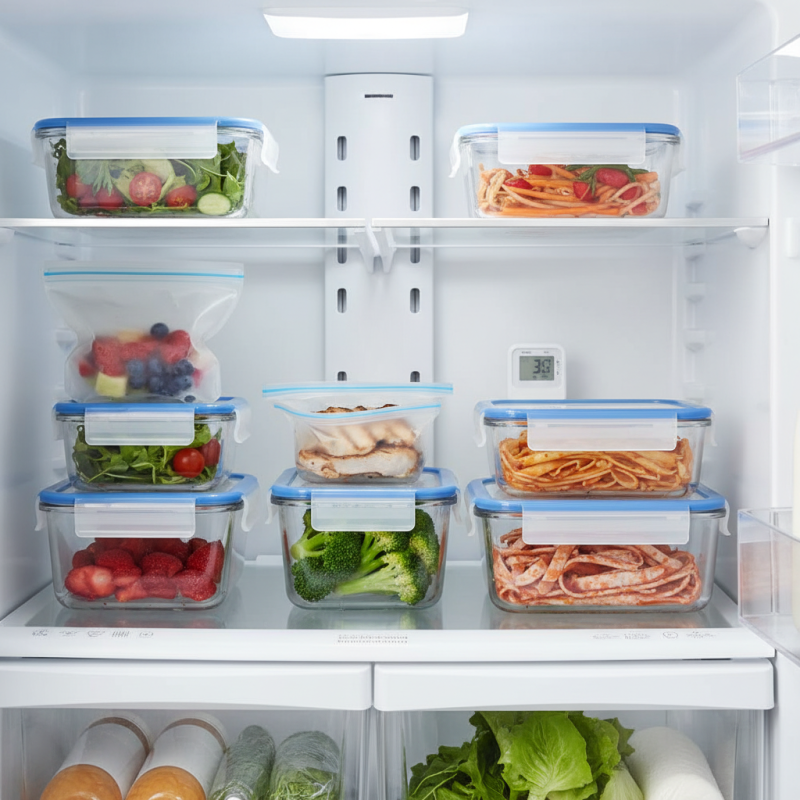
Every time you open your fridge, take a moment to inspect your containers. Mold can appear quickly. You might think everything is fine, yet the hidden dangers lurk. A small change in storage habits can make a big difference. Therefore, taking preventive measures is key to maintaining food safety.
Understanding Mold Growth in Disposable Food Containers
Mold can grow rapidly in disposable food containers, especially when conditions are right. These containers often trap moisture, creating an ideal environment for mold spores. Food remnants left behind can also contribute to this problem. It’s essential to understand the conditions that promote mold growth.
Temperature plays a significant role in mold development. Warm environments expedite the mold's life cycle. If containers are stored in a humid area, mold can appear within days. Frequent exposure to moisture, like washing in a wet kitchen, increases this risk. Sealing food in these containers isn't foolproof. Over time, small moisture pockets can develop even in clean containers.
Properly drying disposable containers is crucial. Rinse them thoroughly and let them air dry before stacking. Disposing of containers with visible mold is vital. Mold can be deceptive, hiding in unseen corners. Prevention remains key, but accidents happen. Regularly inspect your storage for signs of mold. Awareness of these factors can lead to better food safety practices.
Understanding Mold Growth in Disposable Food Containers
This bar chart illustrates the incidence of mold growth in disposable food containers based on various factors such as temperature, humidity, container material type, and storage duration. Understanding these factors can help in effectively preventing mold formation.
Common Types of Mold Found in Food Packaging
Mold is a common problem in food packaging. Many types of mold can develop in disposable food containers. Our studies indicate that these molds thrive in damp, dark environments. Proper prevention is essential to ensure food safety.
As reported by industry experts, some of the most prevalent types of mold found in food packaging include Aspergillus, Penicillium, and Rhizopus. Aspergillus can produce harmful toxins. Penicillium molds are often found in refrigerated items. Rhizopus, commonly known as black bread mold, can appear on various foods, especially starches. These molds not only affect food quality but also pose health risks.
Maintaining a clean storage environment is vital. Use oxygen absorbers in containers to limit mold growth. Ensure the containers are completely dry before use. Yet, many people overlook these simple practices. A few drops of moisture can lead to significant mold issues. Regular inspections of food packaging can mitigate risks, but this is often neglected. Awareness and action are key to preventing mold effectively.
Effective Cleaning Techniques for Mold Prevention
Mold can quickly develop in disposable food containers if not cleaned properly. These containers often trap moisture, especially after holding food. To combat this, start by washing them immediately after use. Use hot, soapy water to scrub away any lingering residues. Pay special attention to corners and seams where mold likes to hide.
Drying these containers thoroughly is crucial. Leave them upside down to ensure no water collects. If they remain damp, mold will appear even faster. Consider using a vinegar solution to rinse them out. This acidic nature can help kill mold spores effectively. However, some might forget this step, leading to persistent mold issues.
Check your storage area too. A warm, humid environment can encourage mold growth in your containers. Empty out any stacked containers occasionally. It’s a good idea to inspect them for signs of mold. Regular cleaning and diligent inspection can save you from dealing with unpleasant surprises later.
Proper Storage Practices to Minimize Mold Risk
When it comes to preventing mold in disposable food containers, proper storage practices are key. Mold thrives in warm and moist environments. According to a study by the Centers for Disease Control and Prevention (CDC), improper food storage can lead to mold growth in as little as 24 hours. This highlights the importance of temperature control and humidity management.
Tips: Store containers in a cool, dry place. Ensure that the lids are tightly sealed to prevent moisture from entering. This simple practice can significantly reduce the risk of mold. Also, consider refrigerating items that are prone to spoilage, especially if they contain meat or dairy.
Another crucial aspect is ensuring containers are clean before use. Residues from previous meals create an ideal breeding ground for mold. A report by the Food and Drug Administration (FDA) notes that even traces of food can attract mold spores. So, washing between uses is essential.
Tips: Rinse containers thoroughly with hot, soapy water. Make sure to dry them completely before stacking them away. This helps in minimizing moisture retention and encourages longevity of the containers. When it comes to food storage, every little detail matters in preventing mold growth.
Signs of Mold Contamination in Food Containers
Mold contamination in food containers is a significant issue. Studies show that nearly 25% of food containers tested across several households exhibited mold presence. Recognizing the signs is crucial for proper maintenance.
Visible mold spots are often the first indicators. These spots can vary in color, typically appearing black, green, or white. A musty odor may also be present, signaling potential contamination. In some cases, users might notice discoloration or a slimy texture on the container’s surface. This is indicative of organic materials breaking down, creating an inviting environment for mold.
Moisture plays a key role in mold growth. Containers left damp are prime targets. Food residues, if not thoroughly cleaned, become breeding grounds. In fact, research indicates that 60% of mold growth occurs in the presence of food residues. Regular inspection and proper drying techniques are essential. It’s important to ask: are we checking our containers consistently enough? This routine can help reduce contamination chances significantly.