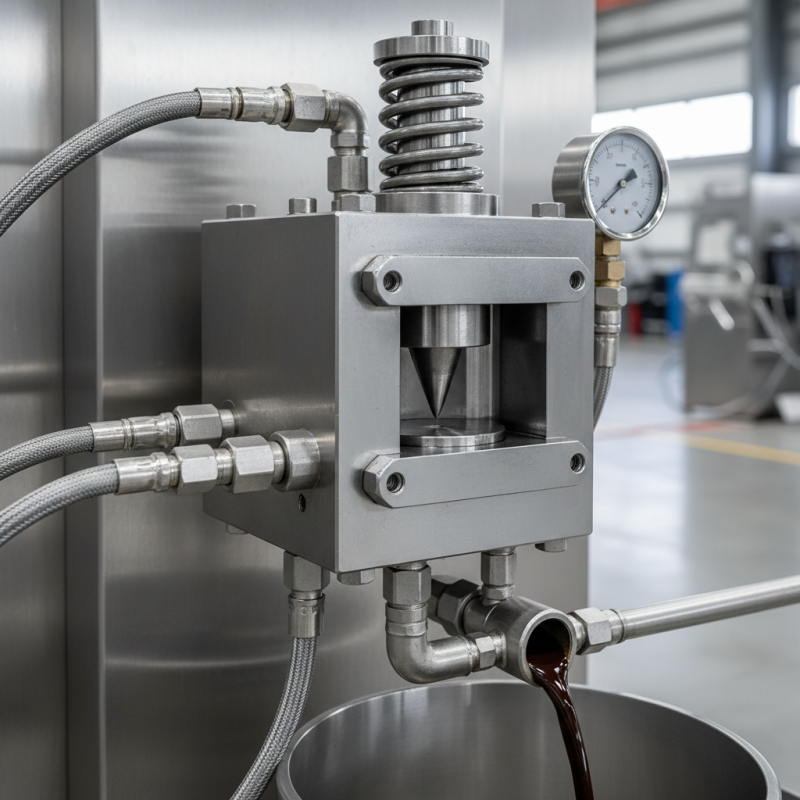
What is an Overflow Valve Block and How Does it Work?
An Overflow Valve Block is an essential component in hydraulic systems. It plays a crucial role in maintaining pressure levels. Understanding its function can prevent system failures and costly repairs.
An Overflow Valve Block controls excess pressure by directing fluid away. When pressure builds beyond set levels, the valve opens. This helps protect machinery from damage. The block's design allows for quick response times, ensuring system stability.
Yet, many overlook its importance until issues arise. Regular maintenance of the Overflow Valve Block is often neglected. This neglect can lead to significant downtime. A well-maintained valve block enhances reliability. A simple check can save time and money in the long run. Understanding how it works encourages proactive care.
What is an Overflow Valve Block?
An overflow valve block is a crucial component in hydraulic systems. It helps maintain optimal pressure levels within the system. When the pressure exceeds a specified limit, the overflow valve opens, allowing excess fluid to escape. This process prevents damage to machinery and ensures operational safety.
The design of an overflow valve block typically includes multiple valves working together. These valves monitor pressure and allow for controlled fluid flow. When functioning correctly, they protect components from excessive stress. However, if the valves malfunction, it can lead to serious issues. For example, a stuck valve might cause a significant pressure buildup. This could result in leaks or even system failure.
Understanding how an overflow valve block operates can be challenging. Factors like temperature and fluid viscosity affect performance. Regular maintenance is crucial for optimal operation. Components should be checked frequently. If there are signs of wear, replacement is necessary. Ignoring these details could lead to unexpected breakdowns. Tracking performance over time might reveal patterns or problems needing attention. Identifying these issues early can make a difference.
Understanding Overflow Valve Block Performance
This bar chart illustrates the performance metrics of an overflow valve block, showing key parameters such as pressure, flow rate, temperature, and response time for effective analysis.
Key Components of an Overflow Valve Block
An overflow valve block is a crucial component in many hydraulic systems. It helps manage fluid pressure, preventing over-pressurization. Understanding its key components is essential for effective operation.
The main parts of an overflow valve block include the valve body, springs, and adjustment mechanisms. The valve body is robust, housing all internal parts. Springs regulate pressure levels, ensuring the system remains stable. The adjustment mechanism allows for precise control over pressure settings. Operators can fine-tune the system easily to meet specific requirements.
In practice, maintaining these components can be challenging. Wear and tear can occur, affecting functionality. A faulty spring might lead to incorrect pressure regulation. Regular checks are necessary to ensure everything works smoothly. It’s important to consider that even small issues can have significant impacts on system performance.
How Overflow Valve Blocks Operate in Hydraulic Systems
Overflow valve blocks are essential in hydraulic systems. They help regulate pressure and prevent damage. When fluid pressure rises above a certain point, these valves open. This action allows excess fluid to escape, preventing system overload.
In operation, overflow valve blocks monitor fluid flow. They respond to changes quickly. A simple yet effective design includes a spring-loaded mechanism. When needed, the valve opens and diverts fluid back to the reservoir. This maintains stable pressure within the system. It can be surprising how a small component plays such a crucial role.
However, not all overflow valve blocks function perfectly. Some may become stuck or fail to open at the right pressure. Regular maintenance is vital to ensure they operate correctly. Users should also reflect on their system's needs. Choosing the right overflow valve block can prevent costly repairs in the long run.
Common Applications of Overflow Valve Blocks
Overflow valve blocks are crucial in many systems. They help maintain proper pressure and flow. Common applications include hydraulic systems and pneumatic devices. In hydraulic machinery, these valves prevent excessive pressure. This safeguards components from damage.
Pneumatic applications also rely on overflow valve blocks. They ensure consistent airflow, preventing pressure spikes. This stability is essential for equipment longevity. In manufacturing, overflow valves aid safety during operations. Operators can focus on tasks without worrying about pressure issues.
These systems need regular inspection. Potential leaks can lead to failures. Some machines may not alert you in time. Proper maintenance is vital for optimal performance. Reflection on usage patterns can uncover hidden issues. Fine-tuning these valves enhances overall reliability.
Benefits of Using Overflow Valve Blocks in Machinery
Overflow valve blocks play a crucial role in machinery. They help maintain the proper pressure within hydraulic systems. This prevents potential system failures. By controlling the flow, these components prevent over-pressurization. This is vital for the longevity of machinery.
One key benefit of overflow valve blocks is their ability to ensure safety. When pressure exceeds normal levels, these valves open, redirecting excess fluid. This protects sensitive parts from damage. Machines can operate more efficiently. Thus, they minimize downtime, which can be costly.
Tips: Regular maintenance of overflow valve blocks is essential. Check for wear and tear periodically. Ensure no blockages exist in the system. Addressing small issues before they escalate can prevent major repairs. Always refer back to the machine’s manual for specific guidelines. Choosing the right overflow valve for your application enhances performance too.