What is a Motorized Valve and How Does it Work?
Motorized Valves are essential components used in various industries, including HVAC, water treatment, and oil and gas. According to a market research report by MarketsandMarkets, the global motorized valve market is projected to reach $14.8 billion by 2026, growing at a significant rate. These devices control fluid flow automatically, enhancing system efficiency and reliability.
Their operation is fundamentally based on electric actuators, which respond to control signals. Typically, the feedback mechanism ensures precision in flow management. However, the technology is not without its flaws. Issues such as actuator failure or incorrect calibration can lead to operational downtime. In certain scenarios, users report unexpected leaks or slow response times, prompting a need for constant monitoring.
The importance of integrating motorized valves into modern systems cannot be overstated. Businesses must weigh the benefits against potential shortcomings. Ongoing training and technology updates are vital to maximize the effectiveness of these components. Ensuring proper maintenance will not only extend their lifespan but also enhance overall performance.
What is a Motorized Valve?
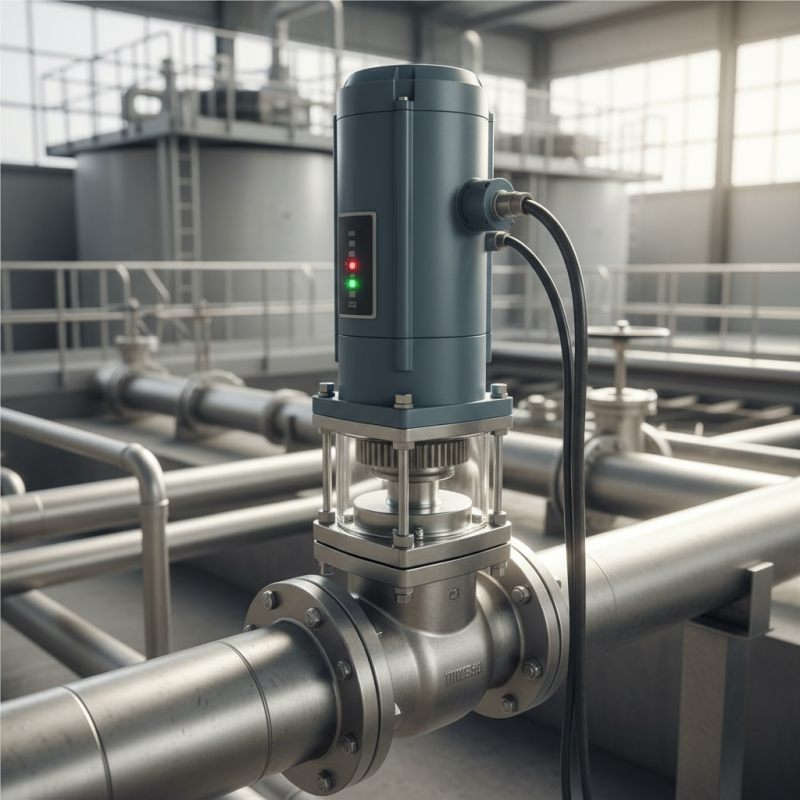
A motorized valve is an essential component used in various systems. It operates automatically based on signals. These signals can come from different sources like thermostats or control systems. When activated, the motor adjusts the valve position. This allows or blocks the flow of fluids through pipes.
The design of a motorized valve can vary. Some are simple, while others are complex. They may include features like feedback sensors. This helps in monitoring the valve's position. The key is precision. A small miscalculation can lead to inefficiency. It’s important to choose the right type for your needs.
Understanding how these valves function is crucial. They can significantly impact efficiency in industrial applications. Inconsistent maintenance can damage these valves. This creates delays and increases costs. Regular checks are vital. It's also important to know that not all settings require motorized valves. Sometimes a manual option is more appropriate.
Key Components of a Motorized Valve
Motorized valves play a crucial role in various systems. They automate the flow of liquids or gases. Understanding their key components is essential for effective control.
One important part is the actuator. This device moves the valve open or closed. It can be electric, pneumatic, or hydraulic. The choice of actuator affects control precision. A poorly chosen actuator may lead to inconsistent flow or even system failure. The feedback mechanism is also notable. It informs the system about the valve position. Without accurate feedback, automation can fail.
Another component is the valve body. It houses the internal mechanisms. Different designs serve various purposes. For instance, ball valves provide tight sealing. Flaws in the valve body can lead to leaks. Seals and gaskets are also vital. They ensure a proper connection and prevent leaks. If they wear out, it can cause significant problems. Regular checks are necessary to maintain functionality.
How Motorized Valves Operate Mechanically
Motorized valves are essential components in many systems. They control the flow of fluids through pipes by using a motorized actuator. Understanding how they operate mechanically helps us appreciate their role in automation.
The operation begins with an electric signal sent to the actuator. This signal prompts the motor to open or close the valve. The movement is direct and efficient. Gears inside the actuator amplify the motor's force. The valve's position adjusts according to the system's needs. However, the setup can pose some challenges. Misalignment may prevent smooth operation, causing leaks or flow disruptions.
Regular maintenance is necessary to keep motorized valves functioning well. Engineers must examine the wiring and connections periodically. Attention to detail can help prevent costly breakdowns. It's easy to overlook these steps, but neglect can lead to serious issues. A close inspection and timely corrections can make a difference. Understanding these mechanics is crucial for everyone involved in system designs.
Common Applications for Motorized Valves
Motorized valves are pivotal in various systems. They automate control over fluid flow. In many applications, they ensure efficient operation. Industries like HVAC, water treatment, and manufacturing widely use these valves. They can open or close systems based on signals. This automation improves reliability and saves time.
In HVAC systems, motorized valves regulate temperature and airflow. They respond quickly to thermostat signals. This helps maintain comfort in buildings. In water treatment, these valves control chemical addition. Accurate dosing is vital for effective treatment. Additionally, in manufacturing, they manage fluid flow in production lines. This enhances safety and optimizes processes.
Despite their advantages, motorized valves can face issues. Misalignment or mechanical wear may lead to failure. Regular maintenance is essential. Operators must monitor performance closely. Over time, improvements in design have been made. Yet, challenges remain in achieving perfect reliability. Continuous monitoring can uncover these hidden flaws.
Benefits of Using Motorized Valves in Systems
Motorized valves are essential components in various systems. They control the flow of liquids and gases. By automating the function of traditional valves, these devices enhance efficiency. This automation reduces manual operation, leading to less human error.
Using motorized valves has several benefits. They provide accurate control over flow. This accuracy can improve overall system performance. Additionally, they allow for remote operation. This means systems can be monitored and adjusted without physical presence. Such convenience often leads to resource savings.
Tip: Regular maintenance can extend the lifespan of motorized valves. Check for any leakage or wear regularly.
Another advantage is energy efficiency. Motorized valves can optimize energy usage. They adjust flow rates according to demand. This optimization helps in reducing waste. However, installation can be complex. It’s important to ensure proper setup to avoid malfunctions.
Tip: Consider consulting with a professional during installation. Their expertise can prevent future issues.
In conclusion, motorized valves are vital for modern systems. They streamline operations and enhance performance. However, attention to detail during installation and maintenance is key.