What is Infrared Imaging Module and How Does it Work?
Infrared Imaging Module is an advanced technology that captures thermal radiation. This module translates invisible heat into visible images. It finds applications in various fields, including medicine, security, and environmental monitoring.
Understanding how an Infrared Imaging Module works requires a basic grasp of thermography. Instead of relying on visible light, it detects infrared wavelengths emitted by objects. This offers unique insights, particularly in scenarios where traditional imaging fails. For example, it can identify heat signatures in dark environments or through smoke.
Despite its benefits, using an Infrared Imaging Module comes with challenges. Accurate interpretation of thermal images requires expertise. Misreadings can lead to incorrect conclusions. This highlights the importance of training and experience in effectively utilizing this technology. Thus, while the Infrared Imaging Module is powerful, its potential can be maximized only through proper application and understanding.
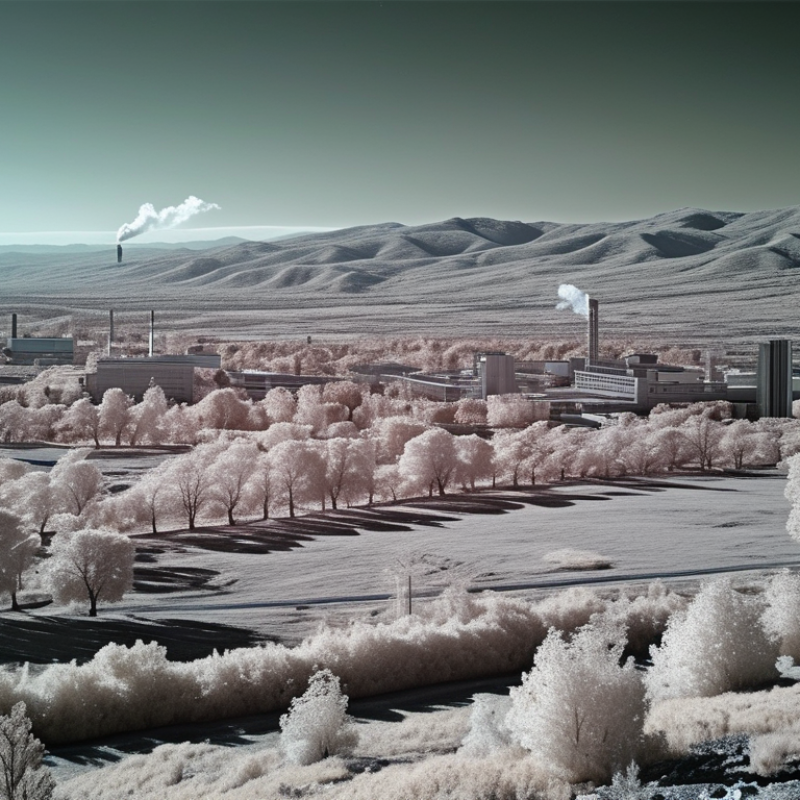
What is an Infrared Imaging Module?
An infrared imaging module is a sophisticated device that captures images using infrared radiation. Unlike visible light cameras, these modules detect heat emitted from objects, making them essential in various applications. They are widely used in security, surveillance, agriculture, and industrial inspections. According to a report by MarketsandMarkets, the infrared imaging market is projected to reach $9.55 billion by 2026, growing at a CAGR of 7.7%.
These modules function by converting infrared radiation into electrical signals, allowing for real-time imaging. The core components include an infrared sensor and a lens system. The sensor detects temperature differences, providing visuals that reveal heat profiles of objects. However, precision can vary based on environmental conditions, and calibration is crucial. Effectively, their efficiency can dip if not maintained properly.
Challenges persist in data interpretation. Users often struggle with differentiating between various heat sources. As noted in a report from Frost & Sullivan, the learning curve for new users can be steep. Hence, training and experience are vital for effective use. Users should be cautious about the limitations of the technology, as misreading signals can lead to errors in critical situations. A thorough understanding is essential for maximizing the benefits of infrared imaging modules.
Infrared Imaging Module Data Analysis
This chart illustrates the performance metrics of infrared imaging modules based on various thermal sensitivity and resolution factors.
Key Components of Infrared Imaging Modules
Infrared imaging modules play a crucial role in various applications, ranging from surveillance to medical diagnostics. The effectiveness of these systems hinges on their key components. A thermal sensor is vital, converting infrared radiation into electrical signals. This process enables the detection of temperature variations, essential for identifying potential issues in industrial settings. Reports indicate a growing need for thermal sensors, projected to reach a market value of $6 billion by 2025.
Optics are another fundamental element. Optical lenses focus infrared light onto the sensor, enhancing image clarity. Advanced materials like germanium or chalcogenide glass are increasingly popular in high-performance applications. A recent study showed that optics contribute to nearly 30% of the overall module cost. Balancing quality and affordability remains a challenge for manufacturers in the industry.
Lastly, signal processing algorithms are key for transforming raw data into actionable insights. These algorithms enhance image quality and enable real-time analysis, which is vital in safety-critical situations. However, they require ongoing refinement and adaptation to new imaging technologies. The interplay of these components shapes the future of infrared imaging, yet issues like calibration and integration must be continuously addressed.
Principles of Infrared Imaging Technology
Infrared imaging technology relies on the principle of detecting infrared radiation emitted from objects. All objects release heat, which generates infrared energy. This energy is invisible to the naked eye but can be captured by specialized sensors in infrared imaging modules. These sensors convert thermal energy into electronic signals. Subsequently, these signals are processed to create a visible image.
The resolution and sensitivity of these images depend on the quality of the infrared sensor. Not all infrared cameras are created equal. Some may struggle in challenging lighting conditions or fail to distinguish between closely positioned objects. Users must select a module that meets specific needs for clarity and precision.
Different applications can significantly impact the technology's efficacy. For instance, in medical diagnostics, slight temperature differences can indicate health issues. In contrast, security applications rely on detecting movement in complete darkness. The challenges are real and demand an understanding of how infrared modules operate in various scenarios. Effective use of this technology requires ongoing learning and adaptation.
Applications of Infrared Imaging in Various Fields
Infrared imaging technology is revolutionizing various fields, including healthcare, automotive, and security. In healthcare, infrared imaging assists in detecting early signs of disease. For instance, it helps identify areas of poor blood circulation and can pinpoint tumors. According to a recent report from MarketsandMarkets, the infrared imaging market is expected to reach $9.83 billion by 2025, driven by its increasing adoption in medical diagnostics.
In the automotive industry, infrared imaging plays a vital role in enhancing safety. It helps identify pedestrians and obstacles in low visibility conditions. A study indicated that nighttime accidents could be reduced by up to 90% when vehicles are equipped with infrared systems. The technology is also used in predictive maintenance. By monitoring equipment temperatures, companies can preemptively address failures.
Tips for implementing infrared imaging include understanding your specific needs. Not every application requires high-end resolution. Sometimes, basic thermal imaging can suffice. Additionally, regular calibration of infrared cameras is essential for accurate readings. Training users to interpret this data can lead to better decision-making and improved outcomes.
Benefits and Limitations of Infrared Imaging Modules
Infrared imaging modules serve various applications across sectors like healthcare, security, and industrial maintenance. Their ability to detect heat signatures is impressive. One primary benefit is enhanced visibility in low-light conditions, making them invaluable for nighttime operations. They can identify thermal abnormalities in machinery, enhancing proactive maintenance strategies.
However, these systems come with limitations. They are generally sensitive to environmental conditions. Dust, rain, or fog can distort readings. Additionally, temperature variations in materials can lead to misinterpretations. Users should be aware of the need for calibration and environmental considerations to ensure reliability.
Tip: Regularly check the calibration of your infrared imaging device. Accurate readings depend on timely maintenance.
Another challenge is the cost. While infrared technology has become more accessible, quality devices still require a significant investment. Evaluate your specific needs before purchasing.
Tip: Consider your budget versus potential savings in energy efficiency and maintenance. A well-thought-out decision may lead to long-term benefits.