© 2025 Messer Cutting Systems, Inc.

Choosing a steel light pole in 2026 is not just a question of height or price. It means matching the pole to its actual setting: wind exposure, luminaire weight, mounting height, soil conditions, and maintenance access. AASHTO’s LRFD Specifications for Structural Supports of Highway Signs, Luminaires, and Traffic Signals provide a recognized framework for evaluating structural loads and fatigue. The site still matters. A pole beside an open highway faces different demands from one sheltered by buildings.
Material quality deserves equal attention. World Steel Association’s World Steel in Figures 2024 reports that global crude steel production reached 1,892.2 million tonnes in 2023. That scale shows steel’s importance, but it does not make every pole equally suitable. Check the grade, wall thickness, connection details, corrosion protection, and foundation requirements against project documents. Small details count. A thin coating scratch near the base can become an expensive maintenance issue. Wind is unforgiving.
Thomas Tredgold, an early civil-engineering authority, described engineering as “the art of directing the great sources of power in nature for the use and convenience of man.” For pole selection, that idea points back to practical design: control loads safely, then consider service life and installation. A product sheet alone may not tell the whole story. Ask for calculations, coating specifications, and inspection guidance. And be willing to revisit assumptions; a familiar pole design may not suit a new site.
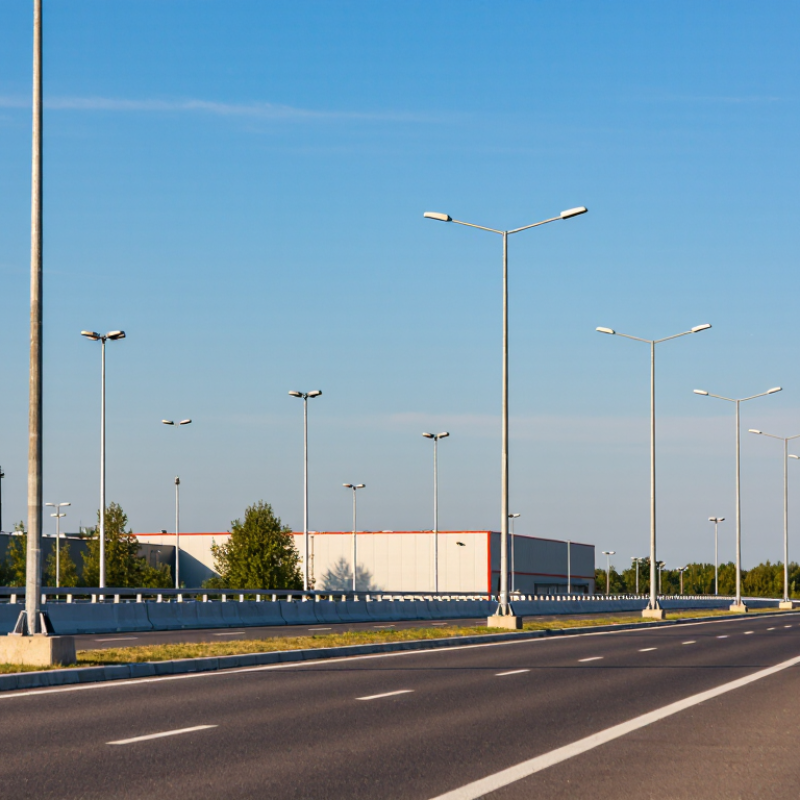
A steel light pole should fit the site, not just the fixture. Walk the area at night and during daylight. Note slopes, nearby trees, overhead lines, traffic, and places where people gather. A pole beside an open parking lot faces different wind exposure from one sheltered by buildings. Check soil reports or arrange a geotechnical review before choosing the foundation. Soft fill, shallow rock, and wet ground can change what is practical. Small details matter.
Then define what the light must do. Record mounting height, target areas, operating hours, and any dark spots or glare concerns. A basic photometric plan can compare pole spacing and fixture angles before installation. More light is not always better. It can create harsh contrast or spill onto neighboring spaces. Consider maintenance access, too: a pole placed behind a curb or planting bed may be difficult to service. Document measurements and assumptions, but treat them as estimates until the site is verified. Wind and foundation loads should be checked by a qualified professional for the actual location. Some sites are messier than drawings suggest. That is worth planning for.
Choosing a steel light pole starts with the site, not the catalogue. Wind exposure, mounting height, fixture weight, and soil conditions shape the required strength. Common structural steels differ in yield strength, weldability, and availability. A higher grade is not automatically better if fabrication or repair becomes difficult. Ask for mill certificates and confirm design assumptions with a qualified engineer. Details matter. Coastal roads, open parking lots, and narrow walkways can expose poles to very different loads.
Design affects installation and service. A tapered round shaft has a clean profile, while a polygonal shaft may offer useful stiffness and convenient mounting surfaces. Straight or stepped forms can suit simpler layouts, but check access doors, anchor-bolt patterns, and cable routing before ordering. Check the base. Galvanizing provides a zinc barrier; paint or powder topcoats can add color and protection when properly applied. In salty air, a compatible duplex coating may help, though damaged edges still need attention. Confirm coating thickness, drainage, and touch-up procedures in writing. A tidy drawing can still overlook a small water trap near the handhole, an easy detail to miss when comparing specifications.
Choosing pole height starts with the job the light must do. A parking area may need broad, even coverage, while a walkway often benefits from lower mounting and reduced glare. Check fixture optics, spacing, nearby trees, and the height of adjacent buildings. A taller pole can spread light farther, but it may also create darker gaps beneath the fixture. Small details matter.
Shaft size is not selected by height alone. Wind pressure acts on the pole, luminaire, brackets, and any attached equipment. Their exposed surface area can matter as much as their weight. A tapered steel shaft, wall thickness, base plate, and anchor-bolt pattern must work together. Compare the proposed configuration with the supplier’s structural calculations, not a visual guess. Measure twice.
Structural loads should reflect the actual site: wind exposure, terrain, pole location, and local design criteria. Ice or unusual attachments may also affect the design. Keep the fixture and bracket details accurate; even a small change in projected area can alter the load. The first layout is rarely perfect. Recheck it after confirming setbacks, foundation conditions, and maintenance access. If calculations or site data are uncertain, have a qualified structural engineer review the pole and foundation as one system. A strong shaft cannot compensate for an unsuitable base.
How to Choose a Steel Light Pole in 2026?
A sound choice starts with safety documentation, not appearance. Confirm that the pole’s design and materials meet the standards required for its intended location. Ask for structural calculations, material specifications, and details about corrosion protection. Paperwork matters.
Wind ratings need careful review. The required rating depends on local wind conditions, pole height, terrain, and attached equipment. Include the weight and projected area of luminaires, signs, or cameras in the assessment. A pole beside an open shoreline may face different demands from one sheltered by buildings. Do not rely on a rating without checking what assumptions it uses. I would double-check this point; it is easy to compare numbers that were calculated differently.
Installation needs can change the decision. Check the base plate, anchor-bolt layout, access-door position, and cable-entry route against the site drawings. Confirm that the foundation suits the soil and expected loads, with a qualified engineer reviewing uncertain ground conditions. Leave enough working space for lifting equipment and future maintenance. A neat specification can still overlook a tight truck-access route. That happens. Also consider whether the pole arrives in sections or as one piece, since transport limits and site access may affect installation time.
Check Safety Standards, Wind Ratings, and Installation Needs
The bars show basic wind pressure calculated from q = 0.613 × V², using air density of 1.225 kg/m³. These figures are reference calculations, not steel-pole ratings or complete design loads. Pole selection should account for applicable local standards, site exposure, pole height, mounted equipment, foundation, and soil conditions.
A steel light pole’s purchase price is only one part of its cost. Include freight, foundation work, installation, inspections, and eventual replacement. The first invoice can be misleading. Over a 20-year service period, corrosion protection and access for repairs may matter more than a small upfront saving. Compare quotes using the same service life and assumed energy and labor costs. Otherwise, the numbers are not comparable.
Read warranty terms closely. Check what they cover: structural failure, coating defects, or both. Note the coverage period, claim process, and exclusions for installation damage or missed maintenance. Ask what evidence is required, such as dated inspection records or photographs. A long warranty is not automatically better. Read the exclusions.
Maintenance depends on the site. Salt air, standing water, road spray, and frequent freeze-thaw cycles can increase inspection needs. In a dry inland location, the schedule may be lighter, but site conditions still matter. Ask for recommended checks, coating repair methods, and realistic labor estimates. Keep records. When comparing lifecycle costs, test more than one scenario, including earlier repairs. Those forecasts are imperfect; local labor rates and weather can change them. Make the assumptions visible before choosing.
| Steel Pole Protection Option | Initial Cost Tendency | Lifecycle Cost Considerations | Corrosion Protection | Maintenance Requirements | Warranty Checks | Best-Fit Conditions |
|---|---|---|---|---|---|---|
| Hot-dip galvanized steel | Moderate; depends on pole size, fabrication, coating thickness, and freight. | Often a cost-effective lifecycle choice where the zinc coating is suited to the exposure. Inspect and repair coating damage as needed. | A zinc coating provides a protective barrier and sacrificial corrosion protection. Service life varies with coating condition and site exposure. | Inspect the pole, base, handhole, and coating periodically. Clean deposits where appropriate and repair damaged areas using a compatible specified method. | There is no single universal warranty. Confirm the written term, covered components, exclusions, and claim process for coating and workmanship. | Many general outdoor applications when the specified galvanizing standard and coating requirements suit the environment. |
| Duplex system: galvanized steel plus paint or powder coating | Usually higher than galvanizing alone because it adds surface preparation and a topcoat. | Added upfront cost may be offset where appearance, color, or an additional barrier is important. Localized topcoat repairs may be needed over time. | The coating system combines galvanizing with an organic topcoat. Performance depends on preparation, application quality, and exposure. | Inspect for chips, scratches, peeling, and corrosion, especially around edges and access openings. Repair topcoat damage promptly using the approved coating system. | Ask whether the warranty covers the complete coating system or only individual layers; check required maintenance and exclusions. | Projects requiring a specified color or finish, or where the project design calls for a layered coating system. |
| Painted carbon steel | Can have a lower initial cost, depending on the coating specification and fabrication requirements. | Repainting and surface preparation can add substantial future cost if the coating deteriorates; compare planned maintenance access and labor. | Protection depends on an intact paint system. Scratches, coating failure, and unprotected edges can expose steel to corrosion. | Inspect the full coating, with attention to the base, welds, edges, and damaged areas. Prepare and repaint deteriorated sections according to the coating specification. | Verify the coating system, surface-preparation requirements, covered defects, maintenance conditions, and whether field repairs affect coverage. | Projects with a defined coating specification and a realistic budget and plan for inspection and repainting. |
| Weathering steel | Varies; do not assume it will be less expensive than galvanized or painted steel without comparing project quotations. | May reduce the need for applied coatings in suitable environments, but runoff staining and unsuitable exposure conditions can create additional costs. | Forms a protective rust layer under suitable wet-dry conditions. It is not appropriate for every climate or site; persistent dampness and chloride exposure can impair performance. | Inspect for retained moisture, debris, abnormal corrosion, and runoff staining. Confirm the site is suitable and that drainage and adjacent finishes are considered. | Confirm whether the warranty addresses corrosion performance, appearance, and staining; obtain written limits for the intended site conditions. | Sites verified as suitable for weathering steel, where its appearance and potential runoff effects are acceptable. |
Lifecycle-cost note: No coating option has a universally lowest lifecycle cost. Compare project-specific installed prices, inspection and repair labor, access requirements, expected exposure, and replacement assumptions over the same analysis period. Coastal salt, de-icing salts, industrial pollutants, persistent moisture, and coating damage can change performance. Request written coating specifications and warranty terms rather than relying on a general warranty duration.
© 2025 Messer Cutting Systems, Inc.