10 Essential Tips for Choosing Resilient Seated Valves?
Choosing a Resilient Seated Valve can directly impact the efficiency of your systems. These valves are essential in various industries, such as water supply and wastewater management. Their unique design helps to prevent leaks and ensures longevity.
Understanding the critical factors in selecting a resilient seated valve is key for success. The market offers a vast range of options. However, not all valves deliver the same performance. Consideration should be given to materials, pressure ratings, and installation methods.
Proper research must precede any purchases. Rely on expert opinions and industry standards to guide your decision. Learning from past mistakes is crucial in this process. Many users have faced issues related to valve failure, often due to poor selection. Prioritize reliability and efficiency when making your choice. Investing time in understanding resilient seated valves may save you headaches in the long run.
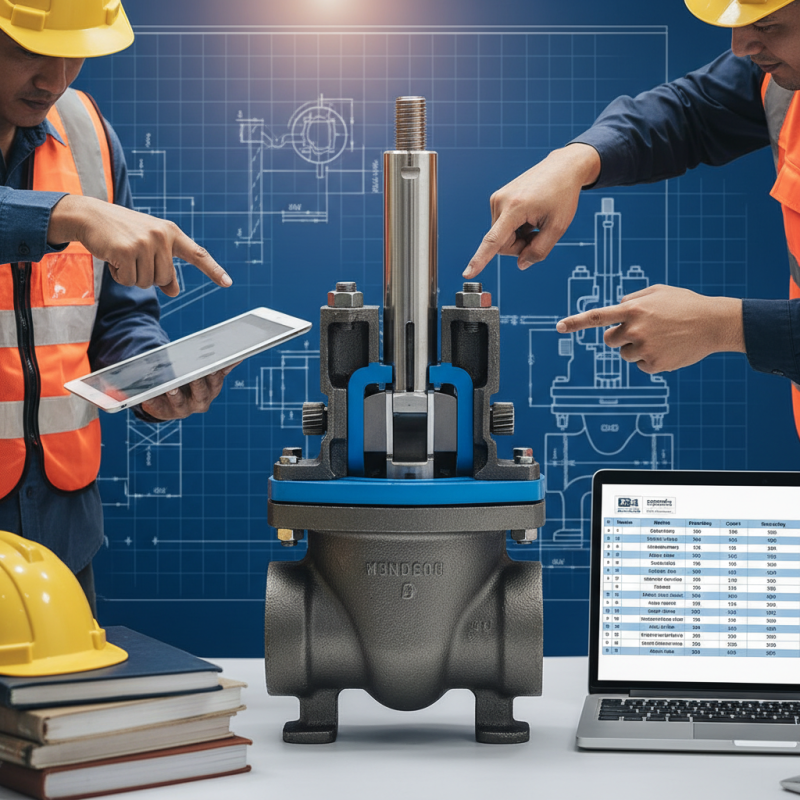
Understanding the Importance of Resilient Seated Valves in Applications
Resilient seated valves play a critical role in numerous industrial applications. They provide a tight seal to prevent leaks, which is vital in sectors such as water treatment and chemical processing. According to a recent industry report, nearly 30% of water loss in urban areas results from valve-related leaks. This highlights the importance of choosing the right valve for proper functionality.
The material quality of a resilient seated valve affects its longevity and performance. High-quality elastomers can withstand exposure to harsh chemicals and extreme temperatures. Research indicates that valves made from advanced materials have a 15% longer service life compared to traditional options. Yet, improper selection can lead to failures, which can be costly. It’s essential to consider the specific environment where the valve will be installed.
In addition, maintenance is crucial. Regular inspections can identify wear before it results in significant issues. A 2022 survey found that 40% of companies experienced downtime due to valve failures, impacting productivity. Hence, understanding the application and maintaining proper oversight are vital in maximizing valve efficiency and lifespan.
Key Characteristics to Evaluate When Selecting Resilient Seated Valves
When selecting resilient seated valves, key characteristics play a pivotal role. One critical aspect is the valve body material. Valves made from robust materials like ductile iron or stainless steel often provide better durability and resistance to corrosion. Evaluate the sealing materials too; EPDM and NBR are common choices that offer different levels of performance in various environments.
It's also essential to consider the pressure rating of the valves. A higher pressure rating indicates better reliability in demanding situations. The design of the valve should allow for easy maintenance. Complex designs may lead to difficulties during servicing. Look for features that facilitate quick disassembly.
Another factor is the valve's operating range. Ensure it can handle the flow conditions specific to your application. Assessing the manufacturer’s specifications is also essential for credibility. However, not every product meets marketed claims. Some might fail under actual operating conditions, leading to unexpected downtime. A thorough examination of performance data can provide insights into potential weaknesses as well.
10 Essential Tips for Choosing Resilient Seated Valves
Material Considerations for Enhanced Durability in Valve Selection
Choosing the right material is crucial for enhancing the durability of seated valves. Different applications demand various materials. For instance, stainless steel is known for its resistance to corrosion. However, in high-temperature applications, specialized alloys may perform better. Understanding the specific requirements of your application is key.
Tip: Consider the environment where the valve will operate. Exposure to chemicals, extreme temperatures, and pressure can significantly affect material selection. Fluoropolymers might be excellent for chemical resistance, while bronze excels in water services.
Another factor is the valve's sealing mechanism. A well-designed seal can prolong valve lifespan but must be compatible with the chosen material. Avoid generic seals that may degrade over time. Take time to analyze how materials interact.
Tip: Review maintenance requirements and replacement intervals for each material option. Some may require more frequent checks than others. A thorough understanding ensures that the selected valve meets operational needs while minimizing downtime.
10 Essential Tips for Choosing Resilient Seated Valves
| Tip Number | Material Type | Advantages | Considerations |
| 1 | Stainless Steel | Corrosion resistance, high strength | Costly, can be heavy |
| 2 | Brass | Good machinability, anti-corrosive | Limited pressure and temperature ratings |
| 3 | PVC | Lightweight, cost-effective | Low durability in high temperatures |
| 4 | Ductile Iron | High tensile strength, impact resistance | Prone to corrosion without coating |
| 5 | Bronze | Excellent corrosion resistance | Higher cost, can be heavier |
| 6 | PTFE | Outstanding chemical resistance | Reduced mechanical strength |
| 7 | Carbon Steel | Strong and durable | Susceptible to corrosion |
| 8 | Aluminum | Lightweight, good corrosion resistance | Weaker than other metals |
| 9 | Nylon | Flexible, good impact resistance | Limited high-temperature use |
| 10 | Teflon Coated | Enhanced chemical resistance, low friction | Can be expensive, may wear off over time |
Assessing Pressure and Temperature Ratings for Optimal Performance
When selecting resilient seated valves, understanding pressure and temperature ratings is crucial. These ratings determine how a valve will perform in real-world conditions. Always assess the operating environment. High-pressure systems require valves rated for sufficient pressure to avoid failures. For instance, if a valve is rated for 150 psi but operates at 200 psi, it may fail. This can lead to costly downtime.
Temperature ratings are equally important. A valve must withstand extreme conditions without losing its sealing capabilities. Materials used in resilient seated valves must resist thermal expansion and contraction. High temperatures can degrade the valve's seat material over time. Selecting a valve without proper temperature ratings might lead to leaks or operational hazards.
Consider the specific application when choosing valves. Not all environments are the same, and conditions may vary even within a single system. An installation in a hot, humid place may require different specifications than one in a cold climate. Regular assessment of these factors can lead to smarter choices and improved reliability. Always document your findings to aid future decisions.
Maintenance and Care Tips for Prolonging Valve Lifespan and Functionality
Maintaining resilient seated valves is crucial for their longevity and functionality. Regular inspections can identify wear and tear. Check for leaks and corrosion at least once a month. A small leak can lead to significant damage over time. Address issues early to avoid costly repairs.
Proper lubrication is essential. Use the manufacturer’s recommendations for lubricants. Over-lubrication can attract dirt and cause blockages. Cleaning the valve surfaces regularly helps maintain a smooth operation. A soft brush and mild detergent can remove buildup without damaging the valve.
Training staff on proper handling is vital. Many failures are due to human error. Use clear procedures to ensure everyone understands their role. Document past maintenance activities and issues. Reflecting on these records can reveal patterns that need attention. Always consider the cost of neglect. Caring for valves is not just a task; it’s an investment in safety and efficiency.