What is a Double Ended Dowel Pin and Its Uses?
The Double-Ended Dowel Pin is a vital component in various industrial applications. This precision hardware is commonly used for alignment and assembly purposes. According to a recent report by the Manufacturing Institute, the demand for such fasteners is projected to grow by 5% annually. This rise is fueled by increasing automation in manufacturing processes.
Industry expert, John Harrison, emphasizes the importance of these pins. He states, "Double-Ended Dowel Pins provide unmatched accuracy in aligning components." This statement highlights their critical role in ensuring parts fit tightly and securely. Yet, not all applications utilize them effectively. Some manufacturers overlook the need for quality control, leading to misalignment and inefficiencies.
Further, while many think of dowel pins as straightforward items, the reality is more complex. Choosing the right material and size requires careful consideration. Mistakes can lead to costly project delays. It’s crucial to rethink how we view the Double-Ended Dowel Pin and its applications to enhance productivity and reliability in manufacturing.
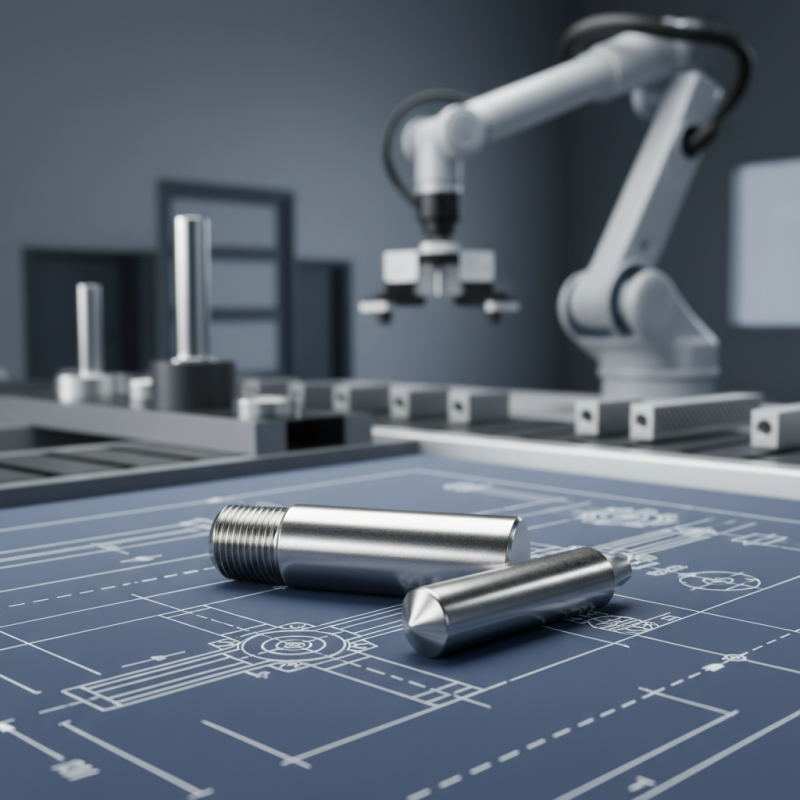
Definition of a Double Ended Dowel Pin
A double ended dowel pin is a cylindrical fastener used in various construction and manufacturing tasks. Its unique design features tapered ends, allowing for easy insertion into pre-drilled holes. Manufacturers use these pins to align and secure pieces of material together, especially in furniture and cabinetry. According to industry reports, the global dowel pin market is expected to grow at a CAGR of 5% from 2023 to 2030, indicating a strong demand for reliable fasteners.
The versatility of double ended dowel pins lies in their applications. They can be found in wooden structures, metal assemblies, and even in precision machinery. This fastener plays a crucial role in maintaining structural integrity and alignment. However, selecting the correct size and material for a specific application is vital. An incorrect choice could lead to joint failures or structural issues. Many professionals suggest using a caliper to ensure precise measurements when working with dowel pins.
Despite their advantages, not all projects benefit from double ended dowel pins. In some cases, the depth of the holes or the density of the material can hinder their effectiveness. It's essential to consider alternative fasteners, such as screws or nails, when dealing with challenging materials. This reflection can lead to better performance and durability in construction projects.
Construction and Design Features of Double Ended Dowel Pins
Double ended dowel pins are essential fasteners in various construction projects. Their design features a cylindrical shape with a pin at both ends, enabling secure connections between two components. Made from robust materials like steel or nylon, they provide strength and durability. This makes them ideal for furniture assembly, woodworking, and even industrial applications.
The construction of these dowel pins allows for versatility. The straight edges ensure they fit snugly into drilled holes, creating strong joints. They can easily be aligned due to their symmetrical design. However, proper alignment during installation is crucial. Misalignment can lead to structural weaknesses. In some cases, the use of dowel pins may require additional tools for precision.
Another interesting aspect is their role in reducing cracks and defects in materials. A well-placed dowel pin can help distribute stress evenly across a joint. This minimizes the risk of materials splitting over time. Despite their effectiveness, users may overlook the importance of choosing the right size. Using an incorrect size can compromise the joint's integrity. Observing these nuances can lead to more reliable constructions and improved project outcomes.
Common Applications of Double Ended Dowel Pins in Various Industries
Double-ended dowel pins are versatile fasteners used in various industries. They play a critical role in aligning and joining two components, ensuring strong connections. Commonly made from steel or plastic, these pins have a cylindrical shape with chamfered ends. This design allows for easy insertion into pre-drilled holes.
In furniture assembly, double-ended dowel pins provide stability and strength. They help to connect panels securely, preventing wobbling. In the automotive sector, these pins assist in aligning parts during assembly, ensuring precision and durability. Additionally, in machinery, they are used for alignments, contributing to the efficient operation of moving parts.
Tips: When using double-ended dowel pins, ensure the holes are drilled straight to avoid misalignment. Maintain clean surfaces for better adhesion. Don't overlook the pin's length; it should be appropriate for the material thickness. Always test with offcuts before committing to your final pieces. Small adjustments can save time and materials in the long run.
Advantages of Using Double Ended Dowel Pins Over Traditional Fasteners
Double Ended Dowel Pins have gained popularity in various industries due to their unique design. They consist of a cylindrical pin with threaded ends, allowing for easy assembly and disassembly. One major advantage of using these pins is precision. They provide a tight fit that enhances alignment during assembly. Traditional fasteners can sometimes create misalignment issues, leading to stress on the materials.
Another notable benefit is the ease of installation. Unlike conventional screws or nails, which require special tools, Double Ended Dowel Pins can be inserted easily. This simplicity saves time and reduces the chance of mistakes. Moreover, their robustness offers reliable performance in structural applications. The durability of these pins ensures longevity, often outlasting their traditional counterparts.
However, there are considerations. In some applications, they may not provide the same clamping force as other fasteners. Users should assess the requirements of their projects carefully. Utilizing these pins where alignment is crucial can be effective, but one must recognize situations where traditional fasteners may be better suited. Balancing these factors is essential for achieving the best outcomes in any assembly process.
What is a Double Ended Dowel Pin and Its Uses? - Advantages of Using Double Ended Dowel Pins Over Traditional Fasteners
| Feature | Double Ended Dowel Pin | Traditional Fasteners |
| Installation Ease | Easy to install without special tools | May require complex assembly tools |
| Alignment | Provides precise alignment between parts | May not offer the same alignment accuracy |
| Load Distribution | Distributes load evenly | Load can be concentrated and lead to failures |
| Material Versatility | Compatible with various materials | Limited to specific applications or materials |
| Reusability | Can be easily removed and reused | Often one-time use |
| Cost-Effectiveness | Cost-efficient for high volume use | Costs can add up with multiple fastener types |
Installation Techniques and Best Practices for Double Ended Dowel Pins
Double-ended dowel pins are versatile fasteners commonly used in woodworking and engineering applications. When it comes to installation techniques, precision is critical. Ensuring precise alignment of the dowel pins is essential to achieve strong joints. A recent report by the Woodworking Industry Association highlighted that improper installation can weaken joints by up to 30%. This statistic underscores the importance of technique in the installation process.
Using jigs can significantly enhance accuracy when installing double-ended dowel pins. For instance, utilizing drilling jigs can help to maintain perfect alignment, reducing the potential for human error. Additionally, experienced craftsmen suggest applying a small amount of glue to the pins to improve joint strength. However, over-application can lead to excess squeeze-out, which may require additional cleanup. This might introduce unnecessary steps into the process, demonstrating that attention to detail is crucial.
Moreover, selecting the right size dowel pin is vital. A pin too small may not provide a tight fit, while one that is too large can split the material. According to a Technical Report by the American Society of Mechanical Engineers, 15% of dowel joint failures are attributed to incorrect pin sizing. Taking the time to measure accurately can save future headaches. Thus, mastering installation techniques and understanding these nuances is key to maximizing the benefits of double-ended dowel pins.