What Is a Cutting Torch and Which Type Is Best?

A Cutting Torch turns heat and oxygen into a focused cutting flame for separating steel and other suitable metals. In a workshop, it may slice through a thick plate, remove a damaged bolt, or prepare an edge for welding. The process looks simple, but good results depend on flame adjustment, travel speed, material thickness, and careful preparation.

Different fuel gases create different working experiences. Oxy-acetylene torches usually provide a hot, versatile flame for repair work and varied fabrication tasks. Oxy-propane systems can offer lower operating costs and practical performance for many cutting jobs. Plasma cutters use an electric arc instead of a fuel-gas flame, often producing faster cuts on electrically conductive metal. However, each option has limitations involving portability, power supply, cut thickness, consumables, and operating cost.

There is no universal best choice. A technician working beside a repair truck may value compact cylinders and simple setup. A fabrication shop may prefer consistent production speed and cleaner cut preparation. I have found that operator control often matters as much as torch design; a premium tool cannot correct poor settings or rushed movement. Small details matter. A clean tip matters. So does ventilation. Before selecting equipment, users should check manufacturer instructions, training requirements, cylinder handling practices, and local workplace safety rules. Protective clothing, eye protection, fire-resistant gloves, and a clear work area are essential. Sparks can travel farther than expected. This guide compares common Cutting Torch types, explains their strengths, and helps readers choose equipment based on real working conditions rather than marketing claims.
What Is a Cutting Torch and Which Type Is Best?

What Is a Cutting Torch and How Does It Work?

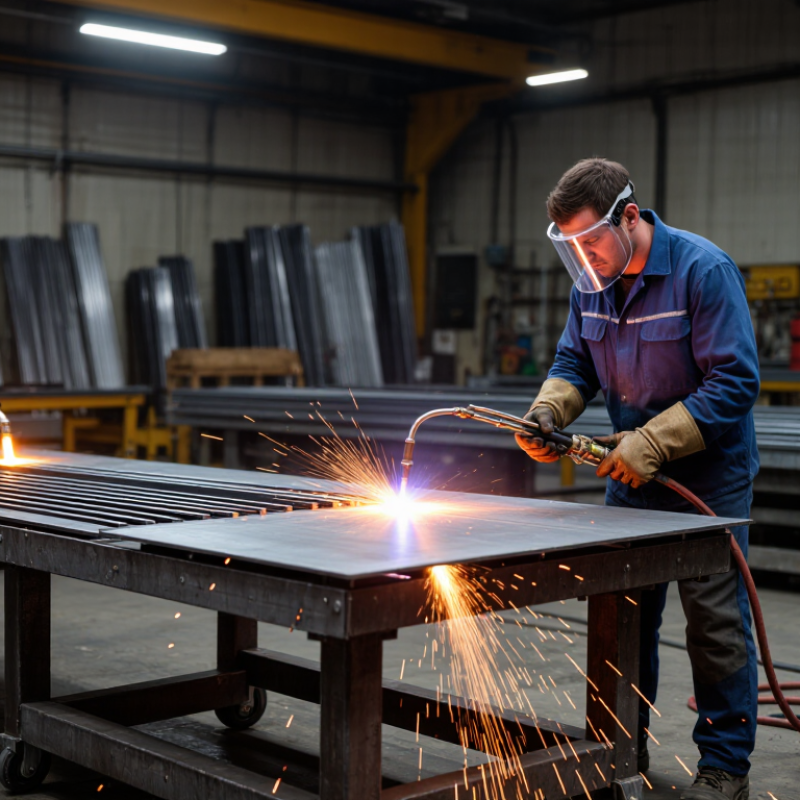
A cutting torch combines fuel gas, oxygen, and controlled heat to separate metal. The inner flame cone preheats steel until it reaches ignition temperature. Then, pressing the lever releases a concentrated oxygen jet. That jet oxidizes the hot steel and blows the molten oxide through the cut.

Heat comes first. Oxygen does the cutting.

Oxy-fuel torches suit carbon steel, especially thick plate and outdoor repair work. Common fuel choices include acetylene, propane, and propylene-based gases. Acetylene produces a very hot, concentrated flame, while propane often offers lower operating cost. Tip selection, gas pressure, and travel speed strongly affect the kerf, or cut width. A poorly adjusted flame can leave a rough edge and heavy slag.

The “best” torch is not universal. A plasma cutter usually delivers faster, cleaner cuts on thin and medium sheet, but it needs electricity and compressed air. It is also a different tool, not technically an oxy-fuel torch.

Industry data shows why training remains important. The U.S. Bureau of Labor Statistics reported about 428,000 jobs for welders, cutters, solderers, and brazers in May 2023. OSHA’s oxygen-fuel welding and cutting guidance emphasizes ventilation, cylinder control, hose inspection, and protection from flashback hazards. NFPA 51 also addresses the safe design and use of fuel-gas systems.

In practice, operators should test connections, wear shaded eye protection, and keep combustible materials away. I once underestimated setup time; that was a mistake. The cut begins before the flame touches steel.


Main Components and Fuel Gas Options

What Is a Cutting Torch and Which Type Is Best?

A cutting torch combines controlled heat with a high-pressure oxygen jet. Its main parts include the handle, fuel and oxygen valves, mixing head, cutting lever, tip, hoses, regulators, and flashback arrestors. The tip creates the preheating flame, while the cutting lever releases oxygen through a separate central passage. This oxygen stream oxidizes the heated steel and pushes the molten material away.

Fuel gas selection affects heat, speed, cost, and surface quality. Oxy-acetylene produces a very hot, concentrated flame and starts quickly. It suits thinner steel, repair work, and tasks requiring precise preheating. Oxy-propane and oxy-natural gas usually cost less and work well for thicker plate or repeated shop cutting. They need different tips and often require more preheating time. Hydrogen can provide a clean flame, but equipment compatibility and operating procedures require careful checking.

Choose the torch around the material, thickness, workspace, and available fuel supply. A common mistake is using the same tip for every job. That wastes gas and can leave a rough cut. Experienced operators inspect hoses, connections, regulators, and arrestors before lighting the torch. Keep cylinders upright and secure. Good ventilation matters.

Not every setup is ideal.

In practice, the fastest fuel is not always the most economical. I would also question cutting performance judged only by speed. Kerf width, slag, operator control, and maintenance time reveal the better choice. Follow the torch manufacturer’s specifications and local safety requirements.

The Different Types of Cutting Torches

A cutting torch converts heat into a controlled cut, but different torch types suit different metals and jobs.

Oxy-fuel torches use a fuel gas and oxygen to cut carbon steel, especially thick plate. They are portable, practical, and effective outdoors. Their flame creates a wider heat-affected zone, however, so distortion can occur.

Plasma torches use an electric arc and compressed gas. They cut stainless steel and aluminum, which oxy-fuel equipment cannot cut efficiently. Plasma usually produces a narrower kerf and faster cuts, but it needs reliable electricity and clean air.

Air carbon arc torches are different again. They remove metal by melting and blowing it away, making them useful for gouging welds rather than producing finished edges.

The “best” choice is therefore conditional. BLS data reported about 434,000 U.S. welding, cutting, soldering, and brazing jobs in 2023, with employment projected to grow through 2033. That workforce handles varied materials, not one universal process. Thickness, portability, edge quality, and operating cost should guide selection.

For thick mild steel at a remote site, oxy-fuel may remain the sensible tool. For conductive sheet metal in a fabrication shop, plasma often saves time.

Not always.

OSHA guidance also requires careful separation of oxygen and fuel-gas equipment, with a 20-foot distance or a suitable noncombustible barrier in specified conditions.

I have seen cutting choices judged by speed alone. That is a mistake. A fast cut can still leave excess dross, warping, or an operator struggling with poor visibility. Training, inspection, and material testing deserve equal attention.

How to Choose the Best Cutting Torch

What Is a Cutting Torch and Which Type Is Best?

Choosing the best cutting torch starts with the metal, not the tool’s appearance. An oxy-fuel torch suits steel plates, repair work, and outdoor fabrication. It produces a strong, focused flame and can handle thicker material. A plasma cutter usually gives cleaner edges on thinner conductive metals. It also creates less heat distortion, which matters near finished surfaces.

In workshop practice, I check the material thickness, available power, and expected cutting speed. A heavy torch may feel dependable, but it becomes tiring during repeated cuts. A compact model improves control, although it may struggle with thick steel. My first choice was not always right. That mistake taught me to test scrap metal before starting a finished piece. Look for stable flame control, clear adjustment knobs, durable hoses, and comfortable handles. Compatibility with the fuel system also matters. Never guess about fittings.

Tips: Inspect hoses before every use. Replace cracked sections immediately. Keep the work area ventilated and free from flammable materials. Use suitable eye protection, gloves, flame-resistant clothing, and hearing protection. Follow the torch manufacturer’s operating instructions and local workplace rules. A short practice cut can reveal poor settings, uneven movement, or an unsuitable torch. Small errors become visible quickly.

Safe Operation and Common Cutting Applications

What Is a Cutting Torch and Which Type Is Best?

A cutting torch uses heat and a focused oxygen jet to sever carbon steel. Oxy-fuel torches suit repair work, structural steel, demolition, and outdoor fabrication. Plasma cutters usually provide cleaner edges on thinner conductive metals, but they require stable electricity and proper ventilation. The best choice depends on thickness, mobility, edge quality, and available training.

Safe operation starts before ignition. Inspect hoses, regulators, flashback arrestors, and connections for damage. Never test leaks with a flame. Use an approved leak-detection solution instead. OSHA 29 CFR 1910.253 requires oxygen and fuel-gas cylinders to remain 20 feet apart, unless a fire-resistant barrier provides equivalent separation. Secure cylinders upright, keep caps available, and remove oil from oxygen equipment. Small details prevent large failures.

Wear shaded eye protection, flame-resistant clothing, gloves, and leather footwear. ANSI Z49.1 recommends suitable ventilation because cutting can produce fumes, gases, and sparks. Clear combustible materials from the work area, including dust hidden under benches. A fire watch may be necessary after cutting stops. Sparks travel farther than expected. In practice, operators often focus on the torch tip and forget the reverse side of the plate. That mistake deserves more attention. Poorly adjusted flames also waste gas and create rough cuts, even when the operator feels experienced. Review the setup every time, not only after an incident.

What Is a Cutting Torch and Which Type Is Best?

Cutting methods differ in the material thickness they can handle. Oxy-fuel is widely used for thick mild steel, plasma is suitable for fast general-purpose fabrication, laser cutting is preferred for thin-to-medium sheet, and waterjet cutting is useful when heat distortion must be avoided.

The chart shows common practical thickness ranges for mild steel. Actual results depend on power, consumables, gas settings, nozzle condition, material grade, and operator technique. Always use eye protection, flame-resistant clothing, ventilation, and proper gas-cylinder handling procedures.