What is a Coffee Bean Color Sorter and How Does it Work?
The Coffee Bean Color Sorter is a vital tool in the coffee industry. With global coffee consumption increasing at a rate of about 2% annually, quality control has never been more critical. According to a report by the International Coffee Organization, coffee quality directly impacts sales and customer satisfaction. Here, color sorting technology plays an essential role in ensuring that only high-quality beans reach consumers.
This technology utilizes advanced imaging systems to detect color variations in coffee beans. The Coffee Bean Color Sorter can remove defective beans, which often compromise taste and aroma. Studies show that companies implementing this technology see a significant reduction in waste and an increase in product quality. However, not all machines are created equal. Some may miss subtle color differences, which can lead to inconsistent quality.
Investing in a reliable Coffee Bean Color Sorter can present challenges. It requires careful selection based on the specific needs of a roastery. As demand for premium coffee grows, understanding the technology and its applications becomes imperative. Precision in sorting can shape the future of coffee roasting and consumer satisfaction.
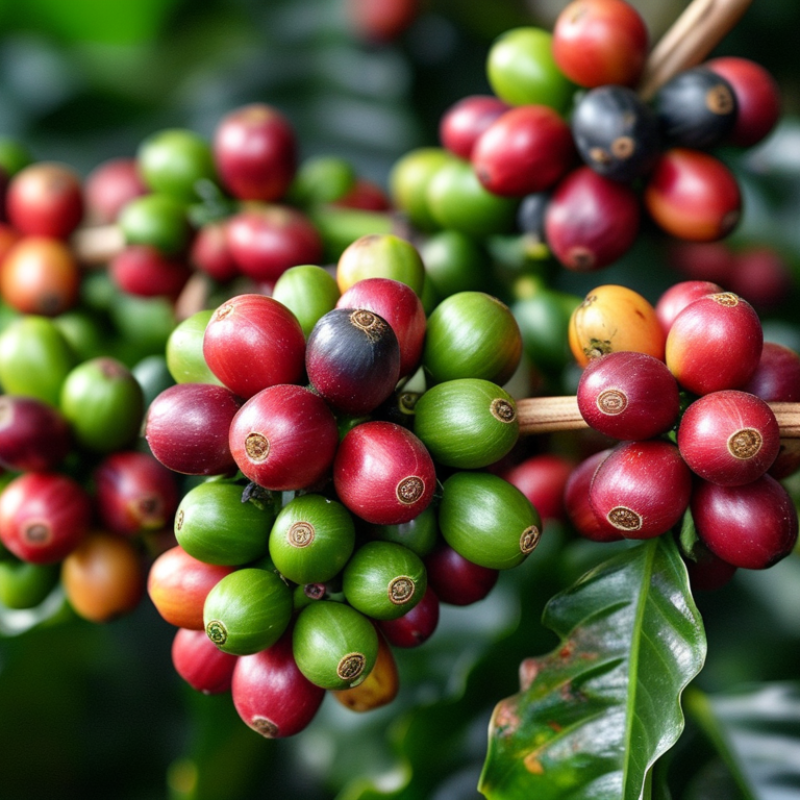
What is a Coffee Bean Color Sorter: Definition and Purpose
A coffee bean color sorter is an essential machine in the coffee processing industry. It is designed to identify and separate coffee beans based on their color, ensuring only the highest quality beans make it to market. This technology utilizes advanced sensors to detect various color shades, which helps eliminate defective beans and foreign materials. By doing so, it significantly enhances the overall quality of the coffee.
The purpose of a coffee bean color sorter extends beyond mere aesthetics. Coffee producers aim to deliver a consistent flavor profile. Variations in bean color can indicate differences in ripeness and flavor. A coffee bean sorting machine streamlines this process, allowing producers to maintain high standards. However, the technology is not flawless. Some machines may struggle with subtle color differences or miss certain defects. Thus, human oversight is still necessary to ensure optimal results.
Operators should regularly inspect the sorting process. Maintaining the machines is vital for accuracy. It's not always easy to rely solely on technology. Sometimes, imperfections in the sorting process can go unnoticed. This critical combination of machine and human input helps achieve the desired quality, making the coffee experience enjoyable for consumers.
The Technology Behind Coffee Bean Color Sorting Systems
The technology behind coffee bean color sorting systems relies on advanced imaging and analysis techniques. These systems use high-resolution cameras to capture images of beans as they pass through a conveyor belt. The cameras analyze the color and shape of each bean, identifying imperfections or foreign materials. This process is incredibly fast, sorting thousands of beans per second, ensuring only the highest quality beans proceed to the next stage.
Color sorters utilize machine learning algorithms to improve accuracy. Over time, the system learns from imperfections that humans may overlook. This adaptability enhances the sorting process but can sometimes lead to an overreliance on technology. Errors in judgment can occur if the system fails to recognize subtle variations in color. Therefore, human oversight remains crucial in maintaining quality control.
Additionally, the setup requires regular maintenance to avoid malfunction. Dust and debris can affect the cameras’ effectiveness. Operators need to ensure the equipment is clean and functioning optimally. Balancing technology and human intervention can create challenges, but it is key in achieving consistent quality in coffee production.
Coffee Bean Color Sorter Characteristics
| Feature | Description |
| Sorting Technology | Optical sorting using cameras and sensors. |
| Color Detection | Identifies different shades and colors of coffee beans. |
| Production Capacity | Can process up to 3 tons of beans per hour. |
| Accuracy | Up to 99.9% accuracy in color sorting. |
| User Interface | Easy-to-use touchscreen panel for operation. |
| Maintenance | Low maintenance with automated cleaning features. |
| Power Consumption | Energy-efficient design, typically around 2 kW. |
| Integration | Compatible with various production lines and machinery. |
Key Components of a Coffee Bean Color Sorter Machine
A coffee bean color sorter is an essential machine for ensuring the quality of roasted coffee. Its key components work harmoniously to detect and remove defective beans. The primary element is the sorting chamber, where beans pass through at high speed. Here, they are analyzed based on color using advanced imaging technology.
In addition to the sorting chamber, the machine includes a feeder. This component evenly distributes beans for consistent processing. A powerful illumination system enhances color detection, allowing for precise sorting. Moreover, the rejector system plays a crucial role. It swiftly removes unwanted beans using an air jet mechanism.
Despite these innovations, challenges remain in machine calibration and bean variability. Users must frequently adjust settings for different batches. Lighting conditions can also affect sorting accuracy. Each time improvements are made, there is a need for reflection on the machine’s limitations. Even with advanced technology, the human touch in monitoring and adjustments is still vital. This balance between technology and human oversight ensures the highest quality in every batch of coffee.
Efficiency Metrics: Speed and Accuracy in Color Sorting Processes
Coffee bean color sorters are vital in the coffee industry. They ensure that beans of the highest quality reach consumers. Speed and accuracy are essential metrics in this process. Recent studies show that modern color sorters can sort up to 10 tons of beans per hour. This efficiency is crucial for meeting market demand. Yet, the accuracy of these machines is equally important. A report from a coffee conference noted that inaccuracies can lead to significant profit losses, sometimes up to 8%.
In terms of technology, these machines use advanced cameras and artificial intelligence to identify color variations. The ability to differentiate shades in coffee beans improves product quality. However, there is room for improvement. Some devices still struggle with detecting subtle color differences in inferior beans. A survey revealed that 15% of users experienced issues in sorting certain bean types. This indicates a need for ongoing innovation and adjustment in sorting technology.
Industry experts emphasize the importance of both speed and accuracy. Efficiency alone does not guarantee a high-quality product. The balance between fast sorting and precise color detection remains a challenge. Continuous research and development will be necessary to enhance these metrics in the future.
Market Trends: Adoption Rates and Industry Standards for Color Sorters
The coffee industry is evolving rapidly, with the adoption of color sorters becoming crucial. Reports indicate that the global color sorter market is expected to reach USD 862 million by 2025, reflecting a compound annual growth rate (CAGR) of around 9% from 2020. This surge is driven by the increasing demand for high-quality coffee and the need for consistency in product offerings. Color sorters enhance the visual quality of coffee beans, allowing producers to remove defects efficiently.
Market trends also show that small to medium-sized coffee producers are increasingly adopting these technologies. In 2020, approximately 45% of smaller operators integrated color sorting systems into their processes. This trend illustrates that quality is not just for large-scale producers anymore. However, disparities remain, as some producers still resist these innovations due to costs or lack of knowledge.
Tips for implementing a color sorter effectively include training your staff to understand its functions. Regular maintenance of the sorter is essential for optimal performance. Additionally, producers should analyze their market and customer preferences to optimize the parameters used in the sorting process. Failing to do so can lead to inconsistent product quality, which could jeopardize customer satisfaction. Investing in these systems must be approached thoughtfully, as rushing the process may result in overlooked operational inefficiencies.