© 2025 Messer Cutting Systems, Inc.

Choosing the right Zeolite Rotor is rarely a simple equipment comparison. It affects VOC removal, energy use, pressure drop, maintenance, and long-term operating stability. A rotor may look efficient on paper, yet perform poorly when humidity, dust, or changing airflow enters the process.
Dr. David M. Ruthven, a respected adsorption researcher, emphasized a practical principle: “Adsorbent performance depends on both capacity and mass-transfer rate.” This idea remains important when evaluating rotor materials, wheel speed, desiccant structure, and regeneration conditions. Capacity alone does not guarantee reliable treatment. Airflow distribution matters. So does the distance between laboratory data and a factory floor.
These seven tips focus on the details that are easy to overlook. Start with the target pollutants, inlet concentration, temperature, humidity, and required outlet level. Then examine rotor size, zeolite formulation, sealing quality, purge-air demand, and control response. A compact rotor may save space. It may also create higher pressure loss if selected without sufficient airflow analysis.
Real operating experience should guide the decision. Inspect the maintenance history of similar systems, not only the brochure values. Ask how the rotor behaves after months of dust exposure. Ask whether replacement segments are available locally. Some assumptions will be wrong. That is normal, but ignoring them is costly.
The best Zeolite Rotor is not always the largest or most advanced model. It is the one that matches the process, survives its environment, and delivers measurable performance over time.
Before comparing zeolite rotors, define the job they must perform.
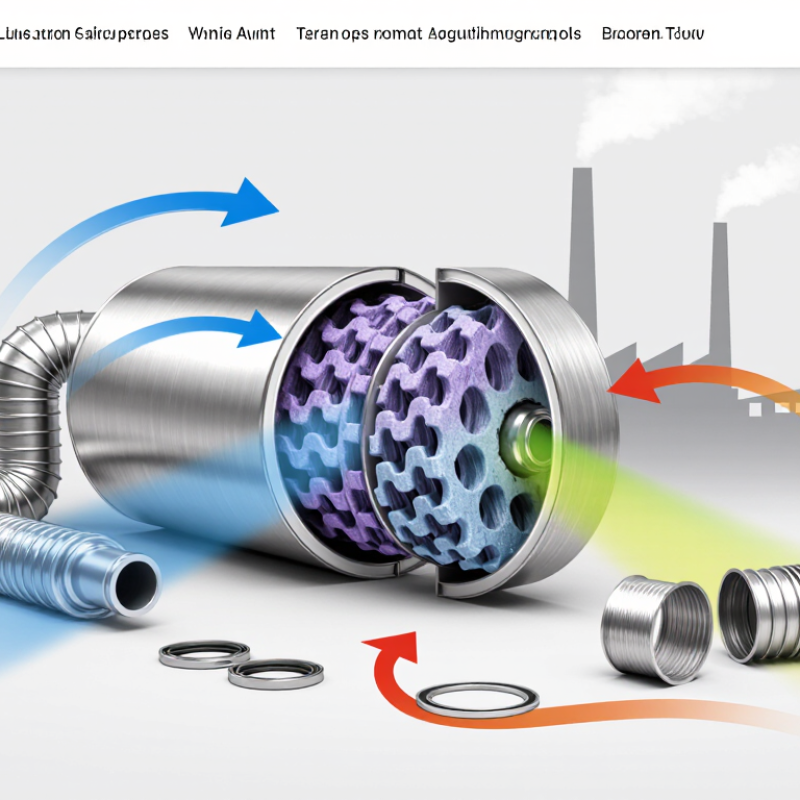
A rotor is not simply an air-cleaning wheel. It adsorbs contaminants from process air, rotates, and releases them into a smaller regeneration airstream. This changes exhaust concentration, airflow balance, and energy demand.
Write down the target contaminant, inlet concentration, air volume, temperature, humidity, and required outlet level. Be specific. “High removal efficiency” is not enough.
Performance requirements should include adsorption capacity, pressure drop, leakage control, rotation speed, and regeneration temperature. For example, a system handling warm, humid air may perform differently from a dry laboratory stream.
Ask for test data at conditions close to your operation. Check whether the data includes steady-state performance, not only short demonstrations. Measure the available fan pressure, too. A low pressure drop can protect operating costs.
Small details matter.
Seal design deserves close attention because untreated leakage can weaken actual removal results. Maintenance access also affects long-term reliability.
Plan inspection points for seals, bearings, airflow distribution, and dust buildup. One common mistake is selecting a rotor from contaminant concentration alone. Humidity and temperature may change the outcome more than expected.
Another imperfect assumption is treating the rotor as a fixed-capacity device. Its capacity changes with operating history, regeneration quality, and mixed contaminants. Leave room for field verification, adjustment, and honest review after installation.
Match Rotor Capacity to Airflow, VOC Load, and Operating Conditions
Tip 1: Start with actual airflow, not fan nameplate capacity. Record normal, minimum, and peak cubic meters per hour. A rotor sized for average flow may overload during production changes.
Tip 2: Convert VOC concentration into mass loading. The calculation is simple: airflow multiplied by concentration. The U.S. EPA Air Pollution Control Cost Manual identifies inlet concentration, flow, humidity, and temperature as key adsorption design factors.
Tip 3: Check the concentration factor. Many zeolite systems operate around 5:1 to 20:1, depending on design and conditions. A higher factor can reduce downstream thermal equipment size, but it also increases desorption demand.
Tip 4: Respect humidity. Water competes for adsorption sites and can reduce VOC capture. The European Commission’s Best Available Techniques Reference Documents repeatedly identify moisture as a major variable in adsorption performance.
Tip 5: Match the rotor to the VOC mixture. Ketones, solvents, and mixed exhaust streams behave differently. Ask for breakthrough data at your real temperature and humidity.
Tip 6: Include pressure drop in the calculation. A narrow rotor may save space, yet create higher fan energy use. That cost can remain hidden for years.
Tip 7: Test before committing. Short sampling campaigns reveal peaks, not just averages. A clean spreadsheet can still mislead.
Review regeneration temperature carefully. Some VOCs need stronger desorption, while heat-sensitive compounds may require gentler control. EPA guidance also stresses operating-condition changes when evaluating control efficiency.
Capacity should include fouling allowance, maintenance access, and future production growth. I would not size from one laboratory sample. Real factories are rarely that polite.
Choosing the right zeolite rotor requires more than comparing capacity figures. Adsorption efficiency depends on humidity, inlet concentration, airflow, and face velocity. A rotor tested in dry laboratory air may perform differently in a humid factory. Request test data that matches your process conditions. Look for removal efficiency, pressure drop, and breakthrough behavior. A high capture rate is useful, but only when airflow remains stable.
Temperature deserves close attention. Regeneration air must release the adsorbed compounds without damaging the rotor or wasting heat. Check the recommended operating range, startup time, and temperature uniformity across the rotor. Lower regeneration temperatures often reduce energy use, but they may also leave residual compounds behind. That trade-off needs measurement. Small temperature sensors across the air path can reveal uneven heating. Do not rely on one outlet reading.
Energy consumption includes more than the heater. Fan power, pressure loss, insulation, cooling demand, and control equipment all affect operating cost. Compare energy per treated air volume, not only heater capacity. A pilot test can expose problems before installation. In my experience, short tests sometimes look excellent, yet longer runs reveal humidity buildup. That assumption can mislead. Ask for maintenance intervals, cleaning procedures, and independent performance records. No rotor is perfect. Select the design that remains efficient under your real conditions, not just ideal test conditions.
7 Tips for Choosing the Right Zeolite Rotor
Compare materials before comparing prices. Zeolite types differ in pore size, humidity tolerance, and affinity for volatile organic compounds. The EU Best Available Techniques Reference Document for Common Waste Gas Management (2022) stresses matching abatement equipment with concentration, flow rate, and contaminant chemistry. Check those values at peak production, not only during normal shifts. A rotor that performs well in dry air may lose capacity when humidity rises.
Configuration matters. Compare wheel diameter, rotation speed, purge design, pressure drop, and sealing method. The U.S. EPA Air Pollution Control Cost Manual identifies fan energy and maintenance as important lifecycle cost drivers. The IEA Energy Efficiency 2023 report estimates industry uses about 37% of global final energy, so small pressure losses deserve attention. Material durability also needs evidence. Ask for thermal-cycle results, abrasion data, and performance after exposure to acids, oils, or dust. Seven-year service claims mean little without test conditions.
Maintenance planning should include filter replacement, seal inspection, cleaning access, and sensor calibration. A 2024 ASHRAE Handbook chapter on air-cleaning systems emphasizes stable airflow and proper monitoring for reliable control. In practice, I once treated low pressure drop as the complete answer. It was not. A poorly sealed rotor can leak around its edges and weaken real capture performance. Request site references, independent test records, and a clear method for measuring outlet concentration. Cheap equipment can become expensive when cleaning requires a shutdown.
| Tip | Selection Dimension | Options to Compare | What to Check | Typical Advantages | Maintenance Impact |
|---|---|---|---|---|---|
| 1 | Match the Zeolite Material to the Pollutant | Hydrophobic zeolite; high-silica zeolite; molecular-sieve grades designed for vapor adsorption | Review the target VOC type, polarity, molecular size, inlet concentration, humidity, and temperature. Hydrophobic materials are generally preferred where humid air is expected. | Better adsorption selectivity and less performance loss caused by competing water vapor | Lower risk of premature capacity loss when humidity is properly considered |
| 2 | Compare Rotor Configuration | Single-zone; two-zone; three-zone; variable process-to-regeneration sector ratios | Check process airflow, regeneration airflow, rotor speed, sector arrangement, allowable pressure drop, and required outlet concentration. | A properly sized configuration can improve removal efficiency while limiting regeneration energy and carryover | More sectors and controls may require additional inspection and calibration |
| 3 | Verify Adsorption Capacity and Working Capacity | Static adsorption capacity; dynamic working capacity; breakthrough performance | Request test data under conditions close to the application, including relative humidity, VOC concentration, temperature, face velocity, and regeneration temperature. | Dynamic data provides a more realistic indication of continuous-process performance than equilibrium capacity alone | Stable working capacity can lengthen service intervals and reduce performance troubleshooting |
| 4 | Evaluate Mechanical Durability | Ceramic fiber matrix; inorganic binder system; reinforced rotor structure | Assess resistance to vibration, thermal cycling, abrasion, differential pressure, and repeated start-stop operation. Confirm that the matrix remains rigid after regeneration. | Lower risk of cracking, deformation, dust generation, and seal damage | Durable construction generally reduces rotor replacement frequency |
| 5 | Check Pressure Drop and Airflow Compatibility | Low-pressure-drop channels; standard channel density; high-surface-area structures | Compare clean and loaded pressure drop at the actual airflow and face velocity. Include filters, ductwork, seals, and fan capacity in the calculation. | Improves fan compatibility and helps control electrical consumption | Pressure-drop monitoring helps identify fouling, blocked channels, or seal problems |
| 6 | Assess Regeneration Requirements | Heated-air regeneration; temperature-controlled regeneration; heat-recovery-assisted operation | Confirm the recommended regeneration temperature, airflow ratio, heating-up time, cooling requirements, and compatibility with the recovered VOC treatment system. | Correct regeneration restores adsorption capacity and helps prevent residual loading | Requires routine checks of heaters, temperature sensors, dampers, and airflow controls |
| 7 | Plan for Cleaning, Inspection, and Replacement | Accessible rotor housing; replaceable seals; inspection ports; serviceable drive components | Review cleaning methods, filter requirements, visual inspection points, seal replacement procedure, bearing access, drive-chain or belt inspection, and expected operating life. | Simple access reduces downtime and supports consistent long-term performance | A documented preventive-maintenance schedule helps control operating costs and unplanned shutdowns |
7 Tips for Choosing the Right Zeolite Rotor
Verify safety standards before comparing capacity or price. The U.S. EPA Air Pollution Control Cost Manual identifies VOC concentration, airflow, energy demand, and media replacement as major cost drivers. Select equipment that supports NFPA 91 fire-protection practices and applicable local ventilation rules. Confirm temperature limits, solvent compatibility, fire detection, and emergency shutdown functions. A small gap here can create a serious operating risk.
Tip: Request documented test results. EPA technical guidance often uses 95% control as a reference for many VOC applications, but real performance varies. Ask for inlet concentration, airflow, humidity, pressure drop, and outlet readings. The European Commission’s 2022 BREF for Common Waste Gas Management recommends continuous performance monitoring and maintenance planning. Installation compatibility matters too. Check duct diameter, fan capacity, electrical supply, access clearance, and exhaust direction. A rotor may fit on paper but fail beside a crowded production line.
Tip: Calculate total cost, not purchase cost. Follow the EPA cost manual structure: capital, direct operating, indirect operating, and replacement costs. Include regeneration heat, fan electricity, filters, inspections, downtime, and disposal. The International Energy Agency repeatedly identifies industrial efficiency as a major energy-saving opportunity, yet oversizing can waste energy. I would also challenge optimistic payback claims. Ask for three operating scenarios, including low-load weeks and unexpected maintenance. The cheapest quotation is not always the least expensive system.
Reference decision weights for verifying safety, installation compatibility, energy performance, and total cost before specifying a zeolite rotor.
The percentages represent a practical engineering evaluation model. Actual priorities should be adjusted to the process airflow, VOC load, operating temperature, local regulations, and maintenance strategy.
© 2025 Messer Cutting Systems, Inc.