How to Choose the Right Valve Component for Your Needs?
Choosing the right Valve Component is crucial for any project involving fluid control. A well-selected valve component can enhance efficiency, reduce costs, and ensure safety. However, with countless options available, making a choice can be daunting.
Understanding the specific requirements of your system is essential. What type of fluid will flow through the valve? What temperature and pressure conditions will it face? These factors significantly influence your choice. An appropriate valve component will reflect your needs and the project’s complexities.
Many overlook the importance of expert advice. Consulting with professionals can provide insights on material selection and design considerations. Relying on experience can lead to better decisions. However, it’s vital to question assumptions and remain open to alternatives. A thoughtful approach will guide you toward the most reliable valve component for your application.
Understanding the Different Types of Valve Components Available
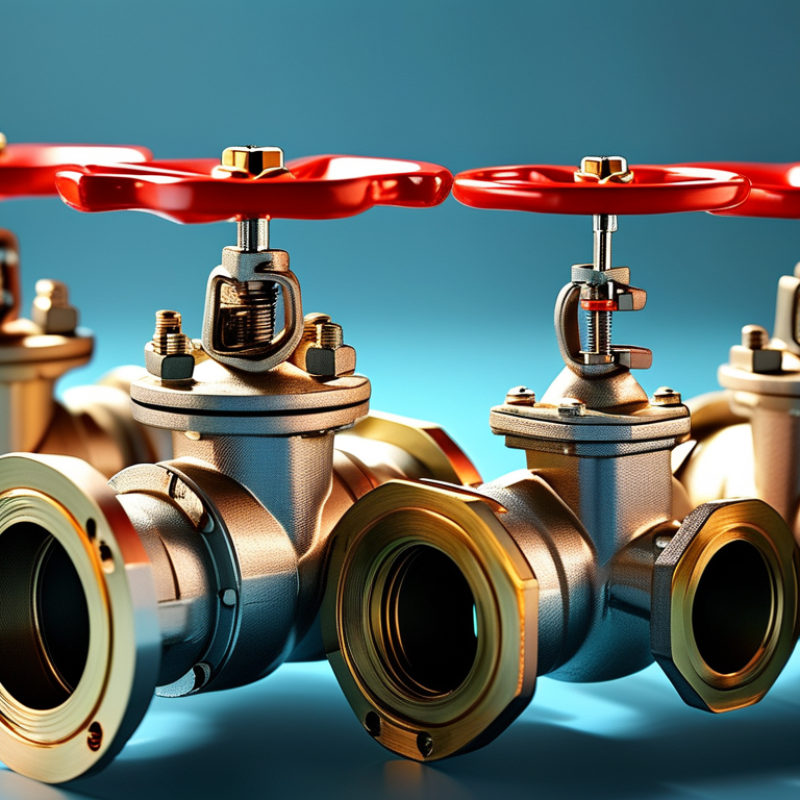
When selecting a valve component, understanding the types available is crucial. There are several categories, each serving specific functions. Ball valves offer quick shut-off, while gate valves provide smooth flow in fully open or closed positions. Butterfly valves are often favored for their compact design and efficient operation. Each type has its strengths and weaknesses depending on the application.
Another factor to consider is the materials used for the valves. Common materials include brass, stainless steel, and PVC. Each material has unique properties that affect durability, corrosion resistance, and temperature handling. Choosing the wrong material can lead to premature failure or leaks. It's important to assess the operating environment and medium when making this decision.
Lastly, assessing the valve's actuation method is vital. Manual, electric, and pneumatic actuators each come with distinct advantages. Manual valves may suit smaller systems, while pneumatic options provide faster response times. However, complex applications may benefit from electric actuation. Weighing these factors requires careful thought and experience. It’s easy to overlook these details, but doing so can cost time and money later on.
How to Choose the Right Valve Component for Your Needs?
| Valve Type | Material | Pressure Range (psi) | Temperature Range (°F) | Application |
| Ball Valve | Stainless Steel | 1500 | -20 to 250 | Water, Oil, Air |
| Gate Valve | Carbon Steel | 2000 | -50 to 400 | Oil and Gas |
| Check Valve | Brass | 600 | 10 to 300 | Water Systems |
| Butterfly Valve | PVC | 150 | -10 to 140 | Chemical Handling |
| Solenoid Valve | Aluminum | 100 | -20 to 180 | Automation Systems |
Evaluating Performance Criteria for Valve Selection
When selecting a valve component, performance criteria play a crucial role. Understanding the environment where the valve will operate is essential. Think about pressure, temperature, and flow rates. These factors greatly influence the type of valve you need. Assess how your chosen valve will interact with different materials. Compatibility can affect performance and longevity.
Tip: Always check the material specifications against your application needs. This ensures durability and efficiency.
Another important aspect is the valve’s response time. Quick-actuating valves are vital in critical applications. Delays can lead to safety hazards or inefficiencies. Analyze the operational speed required for your process. Consider how frequently the valve will open and close. The choice may seem simple, but it demands careful thought.
Tip: Create a checklist of your requirements before making a decision. This helps avoid hasty choices.
Lastly, maintainability is often overlooked. A reliable valve component should be easy to service. Look for features that allow quick replacement and minimal downtime. Reflect on the long-term maintenance implications. Will your choices require frequent replacements?
Tip: Document all maintenance procedures to track component performance over time. This will provide valuable insights for future selections.
Assessing Material Compatibility for Valves in Specific Applications
When selecting valves, assessing material compatibility is crucial. Different applications expose valves to varied conditions. For example, valves used in chemical processing must withstand corrosive substances. Choosing the right material can prevent leaks and failures. Consider factors like temperature, pressure, and the nature of the fluid.
Tips: Always evaluate the chemical composition of the fluid. This step is often overlooked but essential for long-term reliability. If unsure, consult with an expert in material science.
In water treatment applications, materials must resist scaling and corrosion. Choosing stainless steel may be suitable, but check its compatibility with chlorine. Test samples in real conditions can provide valuable insights.
Tips: Don’t ignore environmental factors. UV rays and extreme temperatures can degrade some materials over time. Look for materials that offer UV resistance. Reflect on the entire lifecycle of the valve to ensure lasting performance.
Factors to Consider for Valve Sizing and Pressure Ratings
When selecting valve components, proper sizing and pressure ratings are pivotal. Undersized or oversized valves can lead to inefficiencies and potential failures. Clearly, you must understand the specific requirements of your system. Consider the flow rate and the medium type that will pass through the valve. Each fluid behaves differently under pressure.
Moreover, pressure ratings directly influence valve selection. A valve rated too low for the application may burst. Conversely, excessive ratings can lead to unnecessary costs. An accurate assessment of maximum operating pressure is critical. Utilize pressure data from reliable sources to gauge the environment accurately.
Lastly, ensure you reflect on flexibility and future needs. Will your system require modifications later? Featuring components that allow adjustments can save you time and money. Therefore, don't overlook the importance of consulting with experts to confirm your choices align with industry standards. Overall, careful consideration can prevent costly mistakes down the line.
Importance of Manufacturer and Quality Standards in Valve Selection
Choosing the right valve component is crucial for any project. When making this decision, the manufacturer and quality standards matter significantly. Reliable manufacturers adhere to strict quality assessments. These assessments ensure that the valves perform properly under pressure and temperature variations.
Tips: Always request documentation to verify compliance with industry standards. Certifications indicate that a manufacturer meets essential criteria.
Furthermore, consider the material of the valve. The material must be suitable for the intended application. For example, corrosive environments require specific materials to ensure longevity. Avoid assumptions based purely on price; cheaper options may lead to failures.
Tips: Look for reviews or case studies about the manufacturer. Experiences shared by others can guide your choice effectively. Quality should never be compromised, as it affects the overall system's safety and efficiency.