© 2025 Messer Cutting Systems, Inc.

Choosing the right Traction Lift begins with understanding your building, not browsing a product catalogue. Passenger volume, travel height, shaft dimensions, and expected operating hours all influence the correct solution. A busy hotel needs different performance from a small office building. A hospital also demands careful attention to ride comfort, door reliability, and emergency operation.
Elisha Otis, the pioneer of modern elevator safety, famously declared, “All safe, gentlemen! All safe!” His words remain relevant when comparing Traction Lift systems today. Safety should guide every technical and commercial decision. Look closely at the counterweight arrangement, suspension ropes, braking system, overspeed protection, and control technology. Ask how the lift behaves during peak traffic at 8:30 a.m., not only during a quiet showroom demonstration.
Energy use matters too. A gearless Traction Lift with a regenerative drive may reduce power consumption in buildings with frequent upward and downward trips. However, the most efficient model may not suit every shaft or maintenance plan. Local service coverage, spare-part availability, noise levels, and future modernization costs deserve equal attention.
This choice is rarely perfect. A lower purchase price can hide higher service expenses. A premium system can exceed the building’s real needs. In my experience, the strongest decision comes from comparing lifecycle value, not just installation cost. Speak with a qualified lift consultant, request measured traffic calculations, and verify compliance with applicable safety standards. The spreadsheet helps. It does not tell the whole story.
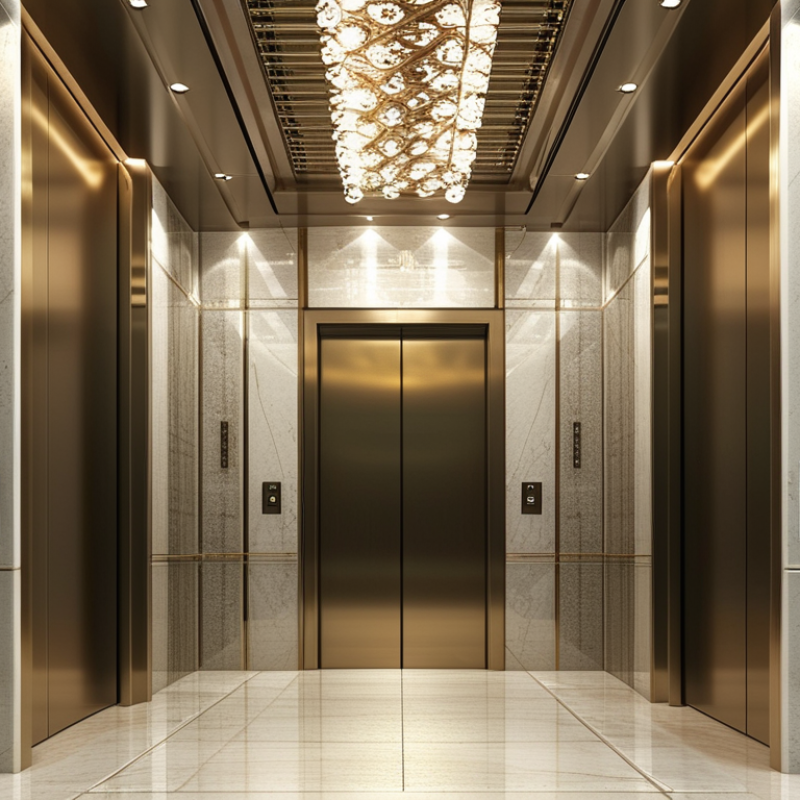
How to Choose the Right Traction Lift for Your Business?
Define Your Business’s Lift Requirements and Operating Conditions
The right traction lift begins with facts, not catalog dimensions. Measure the building’s available shaft space, pit depth, headroom, and machine-room conditions. Record the expected load, travel distance, floor count, and average daily trips. A busy office may need faster door cycles, while a warehouse may require stronger cabin protection. Start with people. Consider wheelchair users, delivery teams, cleaners, and passengers carrying bulky items.
Operating conditions also shape the specification. Check the building’s electrical capacity and available backup power. Note temperature changes, dust, humidity, vibration, and nearby machinery. A lift installed beside a loading area may face harsher conditions than one serving a quiet office. Door width matters when trolleys or equipment move between floors. Local safety requirements should be reviewed with a qualified lift professional before selecting equipment.
I have seen projects focus too heavily on rated capacity. That assumption can fail. A lift may carry the stated load but still perform poorly under constant traffic. Review duty cycles, waiting times, stopping accuracy, and maintenance access. Ask who will service the system and how quickly replacement parts can arrive. Leave practical space for technicians. Measure twice. A detailed site survey often reveals overlooked limits, such as a narrow delivery route or insufficient overhead clearance. These details can change the lift design, budget, and installation schedule.
The chart compares representative rated-load requirements for different business environments. Offices and retail buildings typically prioritize passenger flow, while hotels and warehouses may require higher capacity, longer operating hours, or more frequent cycles.
| Operating Environment | Typical Rated Load | Typical Travel Speed | Estimated Daily Cycles |
|---|---|---|---|
| Small Office | 630 kg | 1.0 m/s | 250 |
| Retail Center | 1,000 kg | 1.0 m/s | 400 |
| Hotel | 1,150 kg | 1.6 m/s | 300 |
| Warehouse | 1,600 kg | 0.63 m/s | 500 |
These figures are practical planning benchmarks. Final lift selection should also consider shaft dimensions, travel height, door configuration, traffic analysis, loading patterns, applicable safety regulations, and the required duty classification.
Choosing the right traction lift starts with comparing how each system fits your building’s daily work. Geared traction lifts suit moderate-rise buildings and controlled budgets. They use a gearbox, which can increase maintenance needs and operating noise. Gearless traction lifts support taller buildings, higher speeds, and smoother travel. They usually cost more initially. However, their efficiency may improve long-term operating value.
The drive system also deserves close attention. Variable-frequency drives help control acceleration, leveling, and stopping accuracy. This matters when passengers carry carts or equipment. Regenerative drives can return some braking energy to the building’s electrical system. That feature sounds impressive, but savings depend on traffic patterns and utility conditions. Machine-room-less designs can save space, though maintenance access may become less convenient. I have seen attractive layouts create awkward service conditions. That detail is easy to miss.
Tips: Compare rated load, travel speed, daily trips, and expected peak traffic. Ask for measured noise and leveling performance, not broad claims. Check access around the motor, controller, and safety components. Consider door speed, standby power, emergency operation, and cabin ventilation. A lift designed for occasional office use may struggle in a busy hotel or warehouse. Review service records and local technician expertise before choosing. The lowest quote is not always the safest calculation. Recheck your assumptions.
| Traction Lift Type | Drive and Machine Arrangement | Typical Rated Capacity | Typical Rated Speed | Typical Travel Range | Energy and Performance | Main Advantages | Key Considerations | Best-Fit Business Applications |
|---|---|---|---|---|---|---|---|---|
| Geared Traction Lift | An electric motor drives a traction sheave through a reduction gearbox; commonly installed in a machine room. | 450–2,000 kg | 0.5–2.5 m/s | Up to approximately 75 m, subject to local design requirements. | Reliable operation and good low-to-medium-rise performance; gearbox losses generally make it less efficient than gearless systems. | Mature technology, strong load-handling capability, and generally straightforward maintenance access. | Requires machine-room space; gearbox wear, noise, and oil maintenance may increase lifecycle requirements. | Commercial buildings, hotels, schools, hospitals, and medium-rise properties with available machine-room space. |
| Gearless Traction Lift | A low-speed motor drives the traction sheave directly without a reduction gearbox; normally installed in a machine room. | 630–3,000 kg | 1.0–10.0 m/s | Approximately 50–300 m or more, depending on building height and system design. | High efficiency, smooth acceleration, and strong suitability for frequent service and high-rise operation. | High speed, excellent ride quality, reduced mechanical transmission losses, and long-term suitability for intensive use. | Higher initial investment; specialized equipment and maintenance expertise may be required. | High-rise offices, residential towers, hotels, hospitals, and transportation-related buildings. |
| Machine-Room-Less Geared Lift | A compact geared traction machine is installed within the hoistway, typically above or beside the lift equipment. | 450–1,600 kg | 0.5–1.75 m/s | Up to approximately 60–75 m, depending on the system and building layout. | Variable-frequency control provides smooth starts and stops; energy use is typically moderate. | Reduces construction area, simplifies building planning, and can lower civil-work costs. | Hoistway access and maintenance planning are important; gearbox efficiency is lower than direct-drive alternatives. | Retail buildings, low- to mid-rise offices, apartment buildings, and retrofit projects with limited space. |
| Machine-Room-Less Gearless Lift | A compact permanent-magnet or comparable gearless machine is mounted in the hoistway without a separate machine room. | 450–2,500 kg | 1.0–6.0 m/s | Approximately 50–200 m, subject to project requirements. | High efficiency and low standby consumption when paired with efficient controls, LED lighting, and sleep-mode functions. | Combines space savings, good ride quality, low mechanical losses, and strong performance for modern buildings. | Equipment access, heat dissipation, and rescue procedures must be carefully coordinated with the building design. | Green buildings, residential towers, hotels, commercial developments, and space-constrained projects. |
| Heavy-Duty Traction Lift | Usually a geared or gearless traction system designed for higher loads, reinforced components, and intensive duty cycles. | 1,600–5,000 kg | 0.5–2.5 m/s | Typically up to approximately 100 m, depending on capacity and site conditions. | Prioritizes durability, door-cycle capability, and load stability over maximum speed. | Handles vehicles, pallets, equipment, and large passenger groups with robust construction. | Larger shaft dimensions, higher structural loads, stronger doors, and increased installation cost may be necessary. | Warehouses, manufacturing facilities, hospitals, logistics centers, parking structures, and public infrastructure. |
| Drive System or Feature | How It Works | Ride Quality | Energy Profile | Recommended Use |
|---|---|---|---|---|
| Two-Speed AC Drive | Uses fixed-speed motor windings with a high-speed and low-speed stopping cycle. | Generally less smooth and less precise than variable-frequency systems. | Higher starting current and lower efficiency; less common in new installations. | Existing low-use installations or basic replacement projects where regulations permit. |
| Variable-Voltage Variable-Frequency Drive | Adjusts motor voltage and frequency to control acceleration, speed, leveling, and braking. | Smooth acceleration, accurate floor leveling, and improved passenger comfort. | Lower starting current and better operating efficiency than fixed-speed control. | Most modern commercial, residential, institutional, and industrial traction lifts. |
| Regenerative Drive | Converts braking energy into electrical power that can be returned to the building power system or shared with other loads. | Comparable to high-quality variable-frequency control when properly configured. | Can reduce energy waste, especially in high-traffic buildings with frequent loaded and unloaded trips. | High-rise offices, hotels, hospitals, transit buildings, and sustainability-focused developments. |
| Destination Dispatch | Groups passengers by destination before boarding to reduce unnecessary stops and improve traffic flow. | Can shorten waiting and journey times during busy periods when correctly planned. | May reduce empty trips and improve group efficiency across multiple lifts. | Office towers, hotels, hospitals, and large buildings with multiple lift groups. |
| Automatic Rescue Operation | Uses stored electrical energy to move the lift to a suitable floor and open the doors during a power interruption. | Improves passenger safety and reduces the likelihood of prolonged entrapment. | Typically uses batteries or another approved backup source; capacity and duration vary by design. | Residential buildings, healthcare facilities, hotels, offices, and sites requiring enhanced resilience. |
Note: Capacity, speed, travel, energy performance, and application ranges are typical industry planning values. Final specifications must comply with applicable local lift codes, structural conditions, traffic analysis, fire regulations, and accessibility requirements.
Choosing a traction lift starts with real demand, not a brochure’s highest rating. Capacity should cover passengers, carts, equipment, and occasional peak loads. During a site assessment, record traffic between floors during opening hours. A lift carrying twelve people may still feel inadequate if deliveries share the same cabin. Leave practical space for movement.
Speed depends on travel height and passenger volume. A low-rise office may not benefit from an expensive high-speed system. Frequent stops can reduce the value of extra speed. For taller buildings, calculate waiting times during busy periods, not only the fastest journey. Test the route on paper. It can expose uncomfortable delays.
Travel height must match the lift’s rated range, including acceleration and stopping zones. Check shaft dimensions, pit depth, overhead clearance, door positions, and available machine-room space. Existing beams or narrow corridors may limit the installation more than the building’s floor count. Structural surveys and accurate drawings are essential. I once underestimated equipment access during planning, and the lifting route became a costly problem. That mistake still influences my measurements.
Building layout also affects accessibility and daily reliability. Place the lift near natural pedestrian routes, but avoid blocking fire exits or loading areas. Confirm electrical capacity, ventilation, maintenance access, and local inspection requirements with qualified professionals. Capacity calculations may change after furniture, partitions, or future expansion are considered. A modest margin is wise. An excessive margin wastes space and operating energy.
Energy use should be measured against daily traffic, travel height, and load patterns. The U.S. Department of Energy reports that elevators and escalators may consume 2–10% of a commercial building’s electricity. A traction lift with efficient motors, standby controls, and regenerative braking can reduce avoidable demand. However, energy savings depend on actual use. A lightly used office lift may not justify the highest-efficiency equipment.
Safety must remain non-negotiable. Specify equipment that meets applicable requirements, such as ASME A17.1/CSA B44 or EN 81-20 and EN 81-50. Check door protection, emergency communication, overspeed protection, and fire-service operation.
Maintenance costs also deserve close attention. Review inspection access, spare-part availability, service response times, and expected replacement intervals. A lower purchase price can hide expensive downtime. My first cost estimate is often too optimistic when traffic growth and modernization work are ignored.
Tips: Request a five-year ownership estimate, not only a purchase quote. Compare energy, inspections, repairs, and downtime. Ask for measured noise levels and ride-quality data. Record peak-hour queues for one week. Small details matter. ISO 25745 energy classifications can support a more consistent comparison, but they should not replace a site-specific assessment.
Choosing a traction lift requires more than comparing purchase prices. Your budget should include installation, electrical upgrades, inspections, maintenance, and future repairs. A lower initial quote may become expensive when parts are difficult to access or energy use stays high.
Start with your building’s actual demands. Record daily passenger numbers, peak traffic periods, travel distance, load requirements, and available shaft space. A lift for a small office needs different capacity from one serving a busy apartment building. Check whether your building has enough overhead clearance and pit depth. These details can change the final cost quickly.
Long-term planning matters just as much. Choose equipment that can handle expected growth without paying for unnecessary capacity today. Ask suppliers for service schedules, estimated annual energy use, warranty terms, and replacement-part availability. Request a clear quotation with installation and testing included. A qualified lift engineer should review the design and confirm compliance with applicable safety requirements. I have seen budgets focus too heavily on the purchase price. That approach feels practical at first, but it can overlook downtime and service access. Leave room for uncertainty. Building conditions are rarely as simple as drawings suggest.
© 2025 Messer Cutting Systems, Inc.