How to Choose the Right Plastic Injection Mold for Your Project?
Choosing the right Plastic Injection Mold for your project can be daunting. Each project has unique requirements, which can make selection challenging. Industry expert, John Smith, once said, "The quality of your mold defines the quality of your product." This highlights the significance of making an informed decision.
Plastic Injection Molds vary greatly in design and function. The right choice depends on your specific needs, such as production volume and material type. Critical factors include mold material, design complexity, and maintenance. Ignoring these aspects can lead to costly mistakes. Projects can suffer from delays or subpar products.
Finding the ideal Plastic Injection Mold requires reflection on past experiences. Assessing previous choices may reveal patterns that hinder efficiency. Engaging professionals and seeking advice can provide valuable insights. Every project is a chance to improve. The right mold not only saves time but also enhances quality. Take the time to evaluate your options carefully and avoid rushing the decision.
Understanding the Basics of Plastic Injection Molding
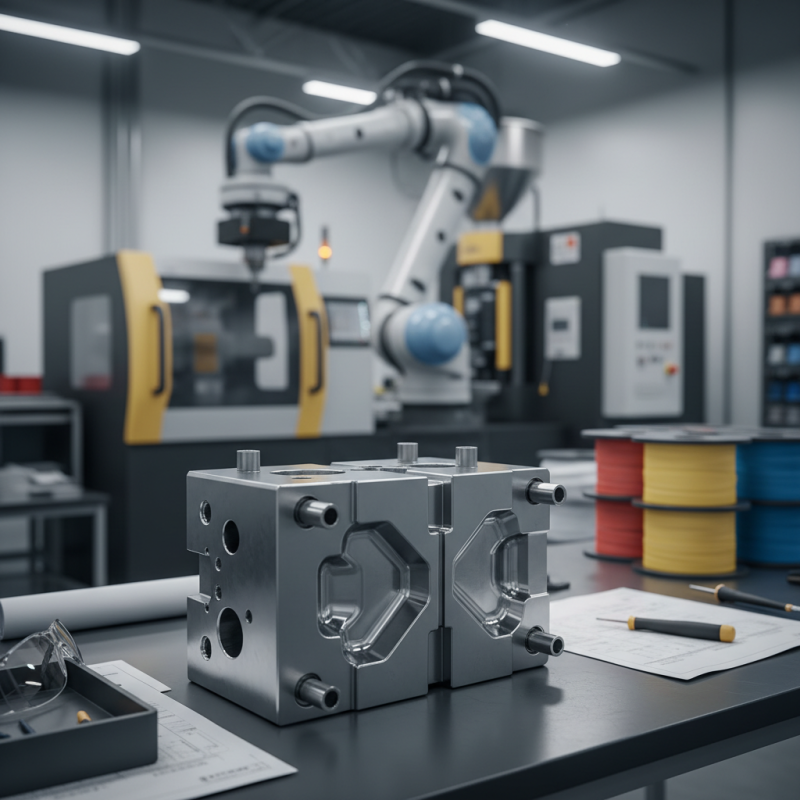
Plastic injection molding is a popular manufacturing process. It involves injecting molten plastic into a mold. Understanding this process is crucial for successful project outcomes. The right mold can enhance production efficiency. It can also reduce costs and improve product quality.
Choosing a mold requires careful consideration. You need to look at the desired shape and size of your product. The material used for the mold is equally important. Steel and aluminum are common choices. Each has its pros and cons. Steel molds last longer but are more costly. Aluminum molds are cheaper but may wear out faster. Make sure to weigh these factors based on your project's budget and timeline.
Also, anticipate some challenges. Poor mold design can lead to defects in the final product. Take time to review the design before production. Communication with engineers or designers can help. Know that the process is iterative. Mistakes may happen, but they’re part of finding the right solution. Don't rush the decision. Experimentation can lead to better outcomes in the long run.
Injection Mold Types and Their Usage
Identifying Your Project Requirements and Specifications
When selecting a plastic injection mold, understanding your project requirements is crucial. Start by considering the part's dimensions. Modular designs can handle a variety of sizes. Think about the material choice as well. Different plastics behave uniquely during the injection process, impacting final product quality.
Next, consider the volume of production. Will you produce a few hundred parts or thousands? Higher production rates may require more durable molds, which tend to be expensive. Also, reflect on design complexity. Intricate designs may need advanced molds, adding time and cost to your project. This can be challenging, especially if you're on a tight budget.
Do not overlook the cooling system within the mold. Efficient cooling systems can enhance production speeds and maintain quality. A balanced cooling process reduces defects. Analyze past projects, too. What worked? What didn’t? Learning from previous experiences helps refine choices and avoid common pitfalls. Embrace the iterative process, continually refining your approach to ensure the right fit for your next project.
How to Choose the Right Plastic Injection Mold for Your Project?
| Project Requirement | Specification | Priority Level | Notes |
| Production Volume | 5000 - 10000 pieces | High | Requires molds that can withstand high cycles. |
| Material Type | ABS Plastic | Medium | Ensure compatibility with injection process. |
| Part Complexity | Moderate Complexity | High | Consider advanced mold design features. |
| Tolerances | ±0.05 mm | Very High | Precision machining needed for molds. |
| Surface Finish | Glossy Finish | Medium | Post-processing may be required. |
| Lead Time | 4 - 6 weeks | High | Plan accordingly for production schedule. |
Evaluating Different Types of Injection Molds
When evaluating different types of injection molds, understanding their specific applications is crucial. There are several mold types available, including single-cavity, multi-cavity, and family molds. Each type has its benefits and limitations. A recent industry report indicates that multi-cavity molds can increase production efficiency by up to 50%. However, they often come with higher upfront costs and complexity.
Single-cavity molds, while simpler and cheaper, may limit your production scale. They are ideal for smaller runs or more intricate designs. An internal study by a leading manufacturing group found that 70% of companies using family molds faced challenges with dimensional accuracy. This shows that while family molds can produce multiple parts simultaneously, maintaining quality can be an issue.
Material selection also plays a significant role. From thermoplastics to elastomers, each material reacts differently in the molding process. Research shows that around 60% of defects arise from poor material choice. Understanding these dynamics is vital. Evaluation isn't just about choosing a mold; it’s about matching the right mold to your specific project needs and anticipated challenges.
Assessing Materials and Their Impact on Mold Selection
When selecting a plastic injection mold, material choice plays a vital role. Different plastics behave uniquely under various conditions. For instance, thermoplastics allow for recycling and can withstand high temperatures. On the other hand, thermosetting plastics are known for their rigidity and durability. Assessing the specific properties of these materials helps in mold selection.
Consider the impact of your chosen material on the production process. Some materials may require specialized molding techniques. Others could lead to longer cycle times or higher costs. Testing prototypes with different materials can reveal unexpected challenges. Often, what seems like the ideal choice turns out to be less effective during production.
The environment in which the final product will be used also matters. Outdoor products may need UV-resistant materials, while medical components demand high purity levels. Researching and tailoring your mold choice based on end-use conditions is critical. It might take multiple iterations to find the best fit. This process is often not straightforward and can lead to reflection on the entire project approach.
Cost Considerations and Budgeting for Your Mold Project
When budgeting for a plastic injection mold project, it's vital to assess your specific needs. The cost of molds can vary significantly. According to industry estimates, simple molds may start around $5,000, while complex designs can exceed $100,000. Understanding the complexity of your design will help determine initial costs.
Consider the materials and technologies involved. Molds made from high-quality steel can last longer but are more expensive. A reliable source indicates that a steel mold can increase production costs by nearly 30%. This can impact your overall budget.
Be prepared for unexpected expenses. Production overruns, design changes, or equipment failures can add costs. A report from a leading industry expert suggested that project budgets often increase by 20% due to unforeseen issues. Carefully calculating these factors is essential for a successful project. Balancing cost and quality is key, but it requires careful planning and reflection.