© 2025 Messer Cutting Systems, Inc.

Choosing the right Flat Wiper is more than a matter of matching length. The blade must fit the vehicle’s arm, follow the windshield’s curve, and clear water without leaving streaks. A mismatch can create missed patches, chatter, or uneven pressure—often right where the driver needs a clear view. Small details matter.
The safety context is significant. The U.S. Federal Highway Administration reports that weather contributes to about 21% of vehicle crashes, with roughly 1.2 million weather-related crashes recorded annually in its commonly cited national estimates. These figures cover many conditions, not wiper failures alone. They still show why visibility deserves careful attention, especially during heavy rain, when spray can blur lane markings and lights. A new blade cannot prevent every hazard. It can, however, help maintain a clearer view.
This guide explains how to select a Flat Wiper by checking the owner’s manual, measuring the existing blades, and confirming the connector type. It also considers rubber quality, beam design, local weather, and signs of poor contact, such as water lines or skipped sections. Product descriptions can be confusing, and “universal” does not always mean suitable for every vehicle. That part is easy to overlook. Treat fitment information as a starting point, then verify it against your vehicle specifications. A careful choice may take a few extra minutes; replacing the wrong blade takes longer.
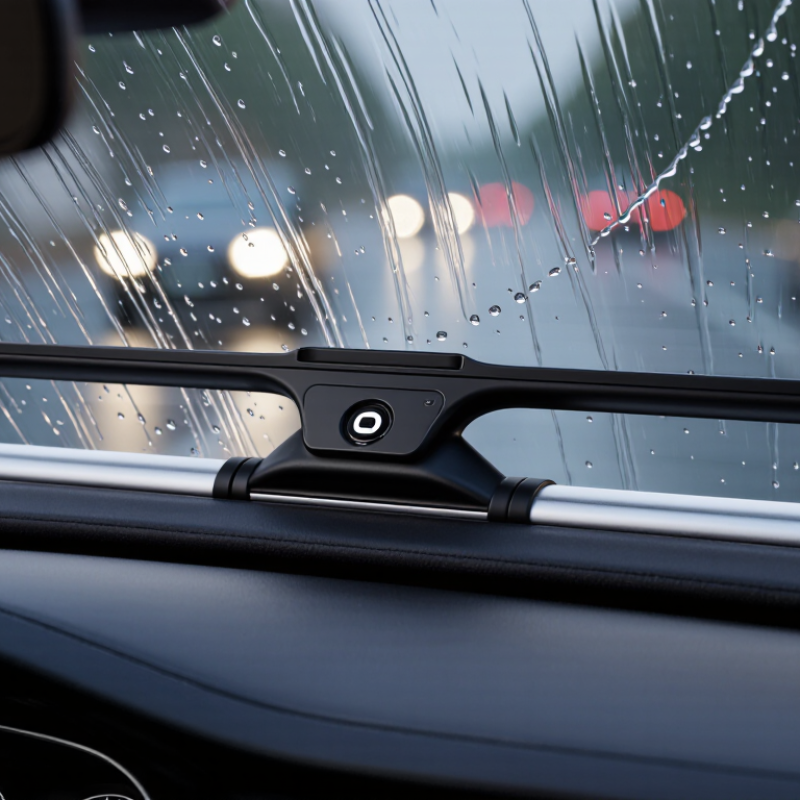
A Flat Wiper Blade uses aflexible beam instead of a row of exposed metal hinges. The beam presses the rubber wiping edge against the windshield along much of its length. This helps distribute pressure across curved glass, reducing missed patches during ordinary rain. Its low, smooth profile can also catch less wind at highway speeds.
No bulky frame. The rubber edge does the actual clearing, so inspect it for splits, hardened spots, or a ragged lip. A streak near the driver’s view may signal wear, but dirt on the glass can cause similar symptoms.
Fit matters as much as blade design. Wiper arms and windshield curves differ, even among vehicles that look similar. Check the vehicle manual for the correct length and connector, then make sure the adapter locks securely onto the arm. A loose connection can let the blade chatter or lift.
In practice, clean the windshield and rubber edge before judging performance; road film can leave a haze that looks like blade failure. Flat blades may perform well in changing weather, but ice can still build around the edge. The design is not magic.
After installation, test the wipers with washer fluid and watch for skipped areas, uneven pressure, or unusual noise.
One detail is easy to overlook: a new blade can still wipe poorly if the arm itself is bent or weak.
A flat wiper must match more than the blade length. Check the vehicle’s year, model, trim, and position before buying; driver and passenger blades may differ. S&P Global Mobility reported that the average age of vehicles on U.S. roads reached 12.6 years in 2024. That makes model-year details especially useful: a vehicle may have had a mid-year arm or connector change. Check the owner’s manual or a fitment guide, then compare the old blade with the replacement. Measure twice.
Mounting type matters. Common connections include J-hook, pinch-tab, side-pin, bayonet, and top-lock; a flat blade may need a specific adapter for the arm. Match the connector shape, not just the package description. A loose adapter can click into place but still wobble, while forcing the wrong one may damage the arm. Look for a firm lock and gently tug the blade before driving. SAE J903 sets performance test procedures for passenger-car wiper systems, but it does not confirm that a replacement connector fits a particular vehicle. That part still needs checking. And fitment charts can be imperfect; when the chart and your vehicle disagree, pause and verify the arm type.
Choosing the correct flat wiper starts with an accurate length check. Use the vehicle owner’s manual or a reliable fitment guide as your reference; many vehicles use different lengths on the driver and passenger sides. The rear blade may also be a different size. Never assume a matching pair will fit.
If the old blade is still installed, remove it carefully and measure from one end of the blade to the other, including its frame. Do not measure only the rubber insert. Compare that measurement with the vehicle’s specifications before buying. A small difference can matter: an oversized blade may touch the windshield edge or overlap the other blade, while a short one can leave a wet strip in your view. It is easy to rush this step.
Check the connector, too. A blade with the right length can still be incompatible with the wiper arm. After installation, lower the arm gently and test the wipers with washer fluid. Watch for contact, uneven coverage, or a loose connection. If the manual and old blade disagree, pause and verify the vehicle’s model year and trim. That extra check may feel fussy, but guessing is worse.
Flat wipers use a flexible beam instead of an exposed metal frame. This design helps distribute pressure across the windshield, but fit still matters. Check blade length, connector type, and the curve of your glass. A blade that is slightly too long may touch the other wiper or windshield edge.
Rubber is a common wiping-edge material and usually offers a practical balance of cost and performance. Silicone may last longer in some conditions, but it is not automatically the best choice for every vehicle or climate. I once treated material as the main deciding factor; that was too simple. The beam’s pressure and a secure adapter matter just as much. Small details matter.
Weather performance deserves equal attention. The Federal Highway Administration’s 2019 weather-related crash analysis found that 21% of crashes involved weather, with 46% occurring during rainfall. In heavy rain, look for a clean, even sweep without chatter or unwiped arcs. In freezing conditions, ice can build around the blade and reduce contact. Not every winter. A flexible beam can help maintain contact, but it cannot clear packed ice by itself. Replace blades when they leave streaks, even if the rubber looks intact. A quick test on a wet, clean windshield is useful, though it cannot predict every storm.
How to Choose the Right Flat Wiper for Your Vehicle?
Evaluating Blade Quality and Replacement Needs
A good flat wiper should sit evenly against the windshield, with its rubber edge making steady contact from end to end. Look for a smooth, flexible lip without splits, hard spots, or a curled section. The blade should also match your vehicle’s specified length and attachment type; a close-looking fit is not always a secure fit.
Check performance on a clean, wet windshield. Watch for persistent streaks, missed patches, or chattering across the glass. These signs can point to worn rubber, but dirt or residue may cause similar problems. Wipe the blade gently with a damp cloth and test it again. A quick check helps, though it is not foolproof.
Replacement timing depends on use and weather. Strong sun, freezing nights, road grit, and frequent operation can wear the edge sooner. Inspect the blades every few months, and replace them when cleaning no longer restores clear wiping. Don’t wait for a heavy rainstorm to find out. If one blade fails, examine the other too; they often face similar conditions, though not always identical wear. Follow the vehicle manual for fit and installation, and make sure the blade locks firmly before driving.
© 2025 Messer Cutting Systems, Inc.