How to Choose the Best Solar Panels Supplier for Your Needs?
Choosing the right solar panels supplier is crucial for your energy needs. The solar industry is growing rapidly, with a projected market value of $223 billion by 2026. Many suppliers claim to offer the best products, but not all are created equal. Evaluating quality, warranty, and customer service is essential.
When selecting a supplier, consider the efficiency ratings of their panels. Industry reports indicate that high-efficiency panels can generate 20% more electricity than average ones. This can significantly reduce your energy costs over time. Additionally, research supplier reviews to glean insights into their reliability.
It's also vital to assess local regulations and installation services. Some suppliers may not provide support in your area. Transparency in pricing is another area where some suppliers fall short. Hidden fees can lead to unexpected costs, sparking buyer's remorse. Choosing a knowledgeable solar panels supplier ensures that you invest wisely in your energy future.
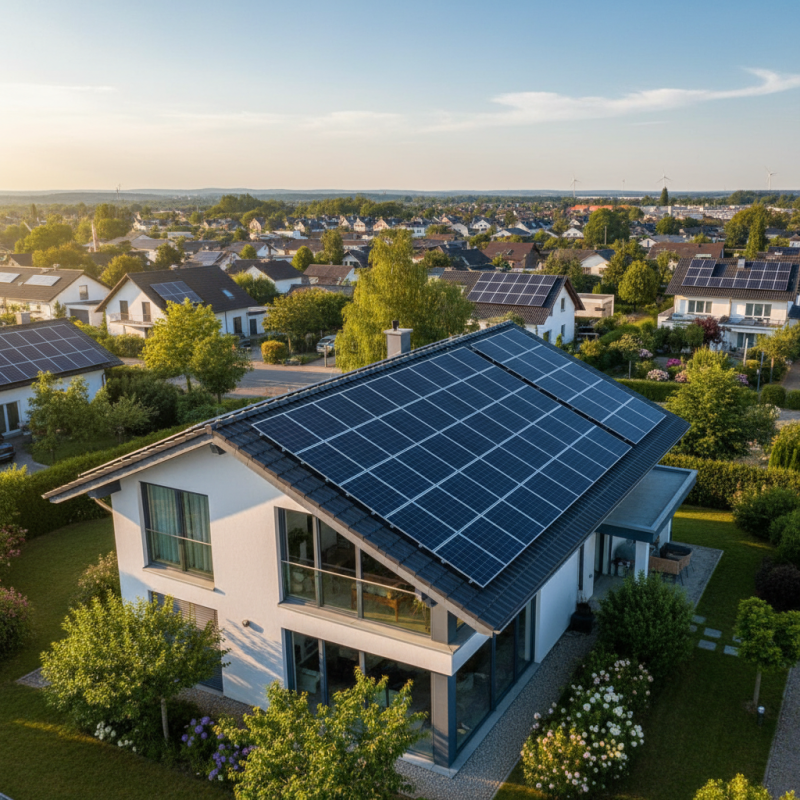
Understanding Your Solar Energy Needs and Goals
When exploring solar energy solutions, understanding your specific needs is crucial. Assess how much energy you consume daily. The U.S. Energy Information Administration states that an average household uses about 877 kWh per month. Knowing your consumption can guide you in selecting the right solar panel system.
Consider your energy goals too. Do you wish to become completely energy independent? Or perhaps just reduce your utility bills? According to the National Renewable Energy Laboratory, solar panels can offset up to 80% of household energy use. However, this may vary based on location and panel efficiency. A thorough evaluation of your goals ensures the solar supplier can meet your expectations.
Personal circumstances influence choices as well. For example, homeowners with limited roof space may need specialized solutions. Choosing the wrong supplier could lead to dissatisfaction. Research shows that 22% of consumers regret their solar panel decision due to inadequate supplier support. These aspects should guide your selection when identifying the best solar panels supplier.
How to Choose the Best Solar Panels Supplier for Your Needs?
| Supplier Feature | Importance Rating (1-5) | Recommended Action |
| Product Quality | 5 | Check certifications and warranties |
| Customer Support | 4 | Read reviews and reach out for inquiries |
| Installation Services | 4 | Inquire about local installation partnerships |
| Pricing | 5 | Get multiple quotes and compare |
| Reputation | 5 | Research provider's history and track record |
Evaluating the Reputation and Experience of Suppliers
When choosing a solar panels supplier, reputation plays a crucial role. A supplier's reputation can indicate their reliability and quality. According to a recent industry report, 72% of consumers consider reviews before making a purchase. This highlights the importance of checking online testimonials and feedback. A supplier with consistent positive reviews is more likely to provide quality products.
Experience is another vital factor. Suppliers with a long history in the solar industry often understand the market better. Data suggests that experienced suppliers can reduce installation time by up to 30%. This efficiency can translate to cost savings for customers. However, not all long-standing suppliers maintain the same quality. Some may become complacent over time. It's essential to investigate their recent work and technological advancements.
Consider how long the supplier has been active in the industry. Ten years of experience is more favorable than just two. Look for certifications and memberships in industry associations. A supplier's engagement with professional bodies often reflects their commitment to standards. Remember, a great reputation is built over time, but it can be lost quickly. Always ask for references and compare them. This research may reveal discrepancies in claims.
Comparing Cost and Quality of Solar Panels Offered
When comparing the cost and quality of solar panels, potential buyers should consider several factors. The average cost of solar panels can range from $2.50 to $3.50 per watt. According to the Solar Energy Industries Association, prices have decreased by about 80% since 2010. This trend indicates that there is growing affordability, but quality still varies.
Quality is not just about price. Panel efficiency is crucial. Standard panels have efficiency ratings between 15% and 22%. Higher efficiency panels often mean better performance. However, high efficiency often comes with a higher price tag. Buyers must weigh whether the extra cost is justified for their specific needs.
Longevity and warranty also matter. Many manufacturers offer 25-year warranties, which can signify quality. A shorter warranty could suggest lesser confidence in their products. Research shows that buying from suppliers with quality certifications can also offer peace of mind. Yet, some may overlook these details and focus solely on the lowest price. This approach can lead to dissatisfaction down the road. Balancing cost and quality is key to making an informed decision.
Assessing Customer Support and Warranty Options
When choosing a solar panel supplier, customer support is crucial. A responsive support team can make a significant difference. Ask about their availability. Do they offer support during weekends? Quick communication can save time and reduce frustration.
Warranty options are equally important. A solid warranty reflects the supplier's confidence in their product. Look for warranties that cover both equipment and performance. A longer warranty often indicates better durability. However, be cautious of loopholes in fine print. Examine the terms carefully before committing.
Additionally, assess the claims made by suppliers. Are their promises realistic? Research feedback from other customers. This helps uncover any hidden issues. Don’t just trust glossy brochures. Seek authentic experiences to inform your decision. Investing in solar panels is a long-term commitment. It's worth ensuring your supplier meets your needs adequately.
Analyzing Installation and Maintenance Services Provided
When selecting a solar panel supplier, consider their installation and maintenance services. Installation is crucial. Proper installation ensures optimal performance and longevity. Look for suppliers with experienced teams. They should offer comprehensive assessments. A quality installation process involves addressing specific site conditions. Too often, suppliers overlook custom solutions, leading to performance issues.
Maintenance services are equally important. Regular maintenance keeps systems running efficiently. Some suppliers may promise low costs but skimp on post-installation support. Ask about their maintenance plans. Are they proactive or reactive? A good supplier provides ongoing support, including troubleshooting and repairs. Avoid those who lack clear communication. It's frustrating when you need help but cannot reach anyone.
Seek feedback from past customers. Their experiences can highlight both strengths and weaknesses. A solid reputation often reflects a supplier's commitment to service. However, no supplier is perfect. Consider how they handle challenges. Transparency in addressing concerns can reveal their dedication to customer satisfaction. This approach ensures you choose the best fit for your solar needs.