How to Choose the Best Slitter Cutter Machine for Your Needs?
Choosing the right Slitter Cutter Machine can be a daunting task. Mark Johnson, an expert in industrial machinery, once said, "Finding the perfect machine is crucial for efficiency." This statement underlines the importance of making a careful choice.
Slitter Cutter Machines are fundamental in many production lines. They enhance precision and efficiency. However, various factors complicate the selection. It's not just about specifications; understanding your specific needs is vital. For example, consider the materials you will process. Will they be thick or thin? This affects the machine's configuration.
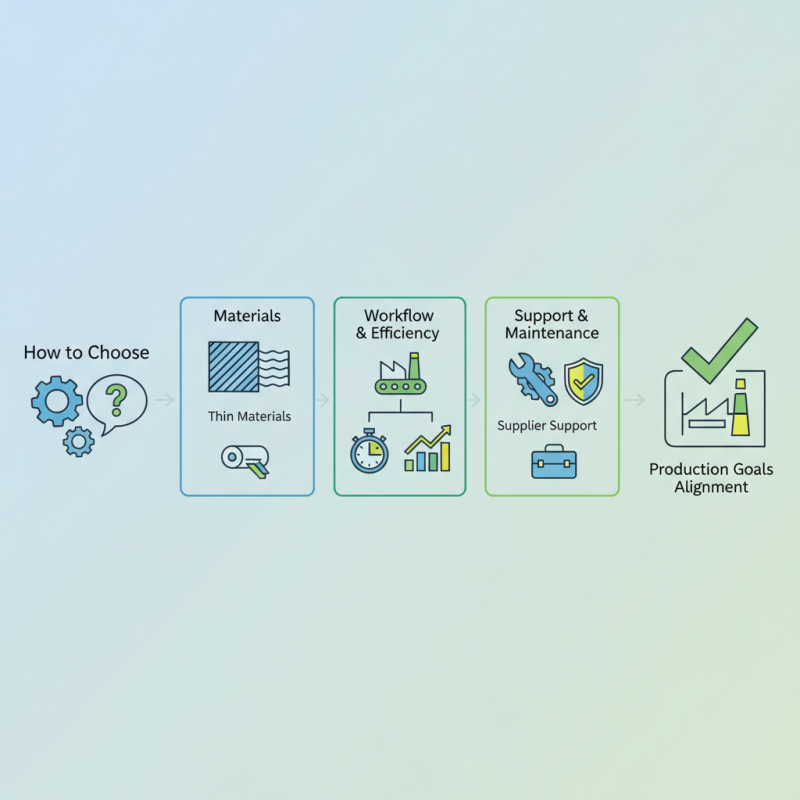
Ignoring the purpose can lead to mistakes. Some machines may not fit your workflow. The market offers numerous options, each with benefits and drawbacks. Research is essential. Consider machine maintenance and the support provided by suppliers. Choosing a Slitter Cutter Machine should be a reflective process, ensuring it aligns with your production goals.
Understanding the Different Types of Slitter Cutter Machines
When selecting a slitter cutter machine, understanding the different types available is crucial. Slitter machines are designed for various materials, including paper, film, and metal. They can vary in complexity and functionality. A simple rotary slitter is effective for lighter materials. However, more complex applications may require shear or score slitters.
Each type serves a specific purpose. Rotary slitters are often favored for speed and efficiency. Shear slitters provide clean cuts, ideal for thicker materials. Score slitters, on the other hand, create perforations. They are useful for packaging applications where tearing is needed. Think about your specific needs before making a choice.
Consider the machine's width and cutting speed as well. You may need a machine that accommodates larger rolls for high-volume production. Maintenance is another factor; some machines require more frequent servicing than others. Reflecting on these elements is vital. The best machine is one that meets your unique requirements without adding unnecessary complexity.
Key Factors to Consider When Choosing a Slitter Cutter Machine
Choosing the right slitter cutter machine can be challenging. There are various factors to weigh. Start by identifying your material types. Different machines cater to various materials, such as paper, plastic, or metal. The thickness of these materials is also crucial. It determines the blade type and power needed.
Next, consider the machine's cutting speed. If your production depends on high efficiency, look for models that offer faster cutting rates. However, higher speeds can compromise precision. Balancing speed and accuracy is vital. Additionally, pay attention to the machine’s ease of use. Complicated setups can lead to frustration and downtime.
Maintenance needs cannot be overlooked. Some machines require frequent servicing, which can disrupt production. Easier maintenance often means less downtime. Reflect on your team’s technical skills, too. A machine that requires extensive training may not be ideal. Finding the perfect balance among these factors will lead to a more productive experience.
Assessing Your Material Specifications for Optimal Performance
When selecting a slitter cutter machine, material specifications play a crucial role. Understanding your material's thickness, composition, and tensile strength is vital for optimal performance. For instance, a report by the Industry Research Institute indicates that machines operating on materials with a tensile strength of 150 MPa can achieve a cutting accuracy of 0.02 mm. This precision is essential in sectors like packaging or automotive manufacturing.
Many users overlook the importance of choosing the right blade. The blade type must match the material properties. A general misstep is using a single blade for diverse materials. For example, using a hardened steel blade on softer materials may lead to premature wear. A specialized blade, however, ensures a longer lifespan and better efficiency. A large percentage of users report reduced downtime with tailored blades, emphasizing their value.
Additionally, consider the machine’s speed and versatility. Each material has an optimal cutting speed. Utilizing too high a speed on certain substrates may lead to frayed edges or incomplete cuts. A study shows that machines operating at a regulated speed can enhance material quality by 30%. Users need to balance speed with precision. This sometimes requires adjustments, as trial and error is often part of finding the ideal setting. Assessing material specifications is a continuous learning process.
Evaluating the Machine's Speed and Efficiency for Your Production Needs
When choosing a slitter cutter machine, evaluating speed and efficiency is crucial. Different production tasks require varying speeds. According to industry reports, slitter machines can range from 100 to 600 feet per minute. Higher speed machines often boost productivity. However, they may also lead to increased setup time and potential downtime.
Efficiency is another important factor. It's not solely about speed; it's also about resource management. A report from the Advanced Manufacturing Office suggests that machines operating at high efficiency can result in a 25% reduction in waste materials. This directly impacts profitability and sustainability. Equipment must be selected carefully to balance speed and efficiency while meeting production demands.
Consider the type of materials you will process. Some slitter machines handle thicker materials better at lower speeds. Other machines may struggle under heavy loads, impacting output. Analyze your specific needs, and weigh the trade-offs. Inadequate research can lead to costly mistakes. Investing time upfront may save resources later.
Budget Considerations: Balancing Cost and Quality in Equipment Selection
When selecting a slitter cutter machine, budget plays a pivotal role in balancing quality and cost. A recent industry report indicates that operational efficiency can significantly impact your overall expenses. If you invest in lower-quality equipment, you may encounter higher maintenance costs later. In fact, poor-quality machines can lead to a 20% increase in operational downtime, affecting your productivity.
Finding the right machine often involves trade-offs. Cheaper options may lack advanced features that improve cutting precision. A study showed that 35% of users experienced material wastage due to inadequate cutting quality in low-priced models. Sometimes, the initial saving turns into a long-term burden. Consider your production volume and expected lifespan of the machine when making a decision.
Investing in a reliable slitter cutter can enhance efficiency. Some reports suggest that investing just 10% more can yield a 25% increase in durability and performance. Reflecting on your needs is crucial. Balancing immediate costs and long-term benefits can lead to a more sustainable operation. Each piece of equipment you choose should align with your production goals, ensuring that quality is not sacrificed for savings.