How to Choose the Best Homogeneous Floor for Your Space?
Choosing the right flooring can significantly impact your space. A homogeneous floor is known for its durability and aesthetic appeal. According to a report by MarketWatch, the global flooring market is expected to reach $450 billion by 2025, with homogeneous flooring options seeing a steady rise in demand.
homogeneous floors are made from a single type of material, ensuring consistency in both design and function. This type of flooring offers advantages like easy maintenance and longevity. However, choosing the best option can be complex. Factors like texture, color, and application need careful consideration. Every space has unique requirements that sometimes clash with ideal choices, leading to potential regrets.
In spaces with high traffic, the right homogeneous floor can prevent wear and tear. Research shows that over 70% of consumers prioritize durability. Yet, budget constraints often lead to compromises. While aesthetics matter, they should not overshadow practical considerations. The goal is to find a balance that meets both style and functionality without overlooking your specific needs.
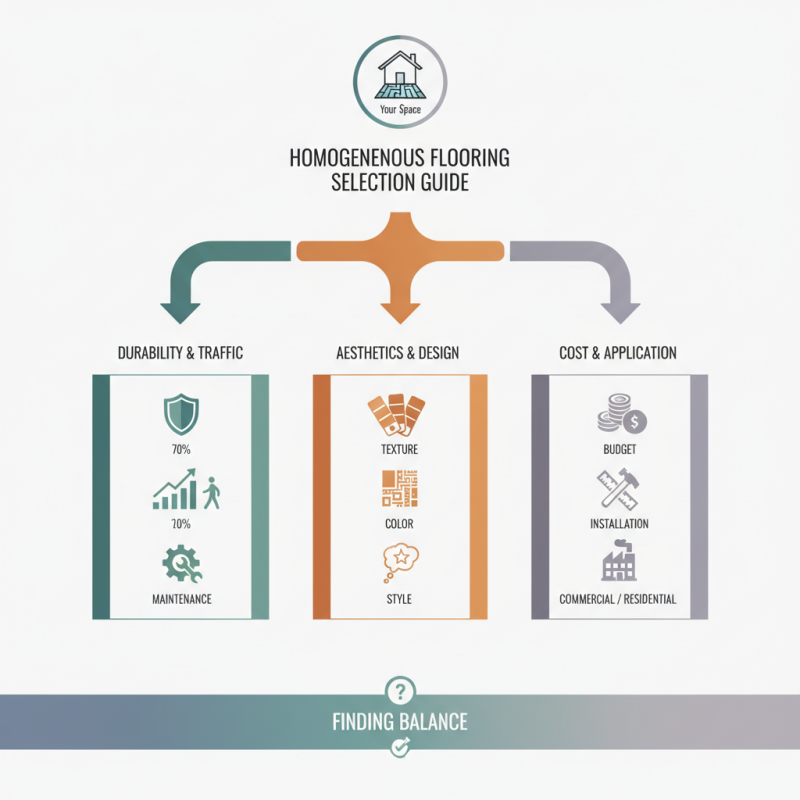
Understanding Homogeneous Flooring: Definition and Benefits
Homogeneous flooring is a type of flooring material that consists of a single-layer construction. This creates a uniform appearance across the entire surface. One major benefit of homogeneous flooring is its durability. It can withstand heavy foot traffic and is less likely to show wear and tear. Moreover, it is easy to clean, making maintenance simple for busy spaces.
When choosing homogeneous flooring, consider the environment it will be placed in. Different colors and textures can greatly affect the room's ambiance. Think about the overall design of your space. A darker flooring option may create a cozy feel, while lighter shades can open up a room.
Tips: Check for slip resistance, especially in areas like kitchens or bathrooms. Take samples home to see how they look in different lighting. Don't rush the decision. It’s important to visualize how the flooring works with your existing furniture and decor. Each detail matters in achieving the right aesthetic. The choice isn't just practical; it's personal. A wrong pick can easily disrupt your desired style. Take time to reflect on your options.
Identifying Your Space Requirements: Size, Function, and Style
When selecting a homogeneous floor, it's crucial to consider your space requirements. The size of the room often dictates the type of flooring best suited for it. Large spaces can accommodate bold patterns, while smaller areas may benefit from lighter tones to create an illusion of space. Choosing a floor that fits well can enhance the overall ambiance of the area.
Functionality is equally important. Will the floor endure high traffic? If so, durability should be a priority. For kitchens or bathrooms, resistance to moisture is essential. But remember, aesthetics matter too. The style must reflect your personal taste and complement existing decor.
Be mindful of the balance between practicality and design. Sometimes, it’s tempting to choose what looks good over what is functional. However, you've got to consider maintenance and long-term viability. A stunning floor is desirable, but it shouldn't come at the expense of usability. Reflect on these factors before making a decision, as the right choice merges beauty and practicality.
Choosing the Best Homogeneous Floor for Your Space
This chart illustrates the various factors to consider when selecting a homogeneous flooring option based on space requirements: size, function, and style.
Exploring Material Options: PVC, Linoleum, and More
When choosing a homogeneous floor, material plays a crucial role. PVC and linoleum are popular options, each with unique characteristics. PVC is durable and water-resistant. It's ideal for high-traffic areas. However, it can feel cold underfoot. Linoleum, on the other hand, is made from natural materials. It's more eco-friendly but might scuff easily.
Consider the space's purpose. For kitchens or bathrooms, PVC may serve better. In living areas, linoleum offers warmth and comfort. Both materials come in various colors and designs, allowing for creative expression.
**Tip:** Always request samples before making a decision. This helps visualize how the material fits your space. Keep in mind the maintenance required. PVC needs regular cleaning to avoid scratches. Linoleum might require refinishing over time. Reflect on your lifestyle and choose wisely.
How to Choose the Best Homogeneous Floor for Your Space?
| Material | Durability | Maintenance | Cost (per sq ft) | Environmental Impact |
| PVC | High | Low | $2.00 - $6.00 | Moderate |
| Linoleum | Moderate | Moderate | $3.00 - $7.00 | High |
| Rubber | Very High | Low | $4.00 - $8.00 | Moderate |
| Concrete | Very High | High | $3.00 - $7.00 | Low |
Evaluating Aesthetic Choices: Colors, Patterns, and Textures
When choosing a homogeneous floor, colors, patterns, and textures play a crucial role. Your space's aesthetic can change drastically based on these choices. Soft pastels can make a room feel calm. Bright colors can invigorate a space. Consider how you want the room to feel. For instance, a vibrant red can energize an office, while muted tones might suit a bedroom.
Patterns add character to your floor but require careful thought. Stripes can elongate a room, while geometric shapes offer modern flair. Be mindful that busy patterns can overwhelm a small space. It’s essential to balance excitement with comfort.
Tips: Before making a selection, visualize the intended use of the space. Ask yourself, what mood do I want? Sometimes, pairing different textures can create depth. For example, a matte finish can contrast beautifully with glossy tiles. Experiment with samples at home. It’s okay to change your mind. Reflect on how different designs make you feel. Design is personal; trust your instincts.
Assessing Installation and Maintenance Needs for Longevity
When it comes to choosing a homogeneous floor, installation and maintenance are crucial. Evaluate your space carefully. Consider the traffic and potential wear over time. A busy area may require a more robust flooring option. Think about how much maintenance you are willing to handle. Some materials demand regular care, while others are more forgiving.
In addition to durability, installation can pose challenges. DIY might save money, but it could lead to imperfections. You may not achieve a seamless look if not done properly. Hiring a professional may add costs, but the results often justify the investment. Check for local installers with experience in homogeneous flooring.
Maintenance is not merely about cleaning. Some materials need specific products to avoid damage. Regular inspections can help catch issues early. However, not everyone likes to inspect regularly. It’s easy to overlook small problems until they escalate. Being proactive can enhance the longevity of your flooring choice.