How to Choose the Best Dehumidifier Unit for Your Needs?
Choosing the right Dehumidifier Unit can significantly impact your living environment. According to John Smith, a renowned expert in indoor air quality, “The right dehumidifier transforms your home into a healthier space.” His expertise emphasizes the importance of selecting a unit that meets your specific needs.
When considering a Dehumidifier Unit, factors like room size, humidity levels, and energy efficiency are crucial. A powerful unit can lower humidity levels effectively, preventing mold growth and improving air quality. Conversely, an undersized unit may struggle to keep up, leaving you frustrated.
It's also important to reflect on the features you truly need. Some units come with advanced settings, while others provide just the basics. We all have different requirements. For instance, a quiet operation may be vital for bedrooms, while a unit with a continuous drainage option could suit basements better. Evaluating your lifestyle is critical in making an informed choice.
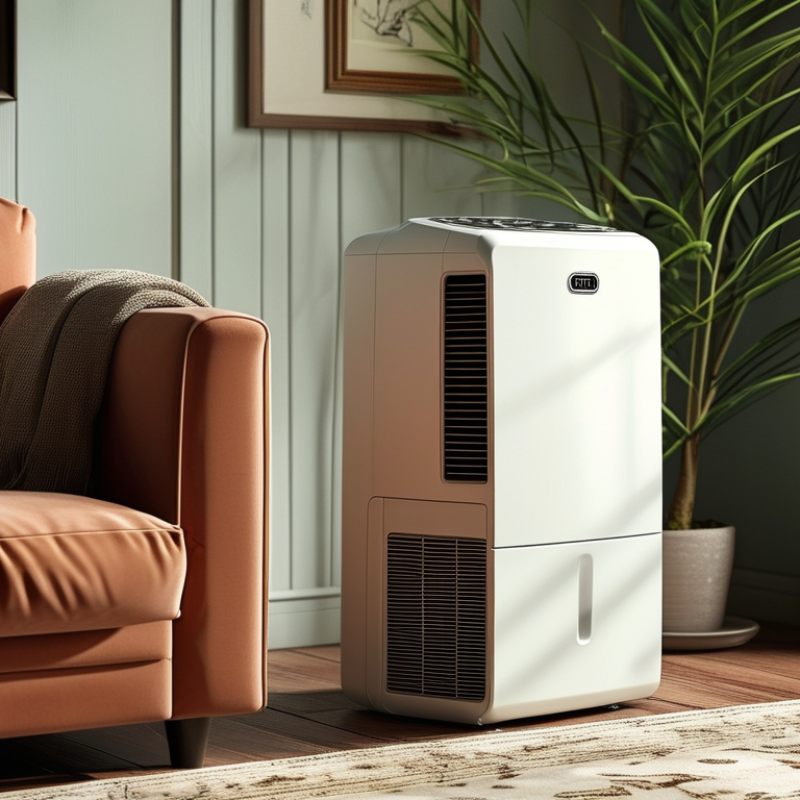
Understanding Dehumidifier Basics and Benefits
When considering a dehumidifier, it’s essential to understand its basics and benefits. Dehumidifiers help reduce humidity levels in your home. High humidity can create a breeding ground for mold and dust mites, leading to health issues. By controlling humidity, a dehumidifier can improve indoor air quality.
To choose wisely, think about the size of the space you want to dehumidify. A small unit may suffice for a bathroom, while a larger one is needed for a basement. Look for units with adjustable humidity settings. This feature allows you to customize the operation based on current conditions.
Tips: Always check the water tank size. A larger tank means less frequent emptying. Also, consider energy efficiency. An efficient unit saves money in the long run. Keep in mind that placement matters. Ensure the dehumidifier is placed in an area with good airflow for optimal performance.
Assessing Your Space: Size and Humidity Levels
When selecting a dehumidifier, assessing your space and humidity levels is crucial. According to the Environmental Protection Agency (EPA), indoor humidity should generally be maintained between 30% and 50%. Exceeding this range can lead to mold and mildew growth. Therefore, understanding the size of your space is vital for proper dehumidification.
For instance, in a small room of about 300 square feet with humidity levels at 60% or higher, a unit with a capacity of 30-50 pints per day can be effective. It's essential to measure both the size of your room and the current humidity levels. Humidity can be measured using a hygrometer. This simple device provides accurate readings for making informed decisions.
Sometimes, homeowners underestimate the humidity issue. A basement, often neglected, can harbor excessive moisture. Reports indicate that basements can contain 10% more humidity than the upstairs areas. This discrepancy makes it critical to address humidity issues before they escalate. By carefully evaluating your space, you ensure that the dehumidifier you choose meets your actual needs effectively.
Types of Dehumidifiers: Choosing the Right Model
When choosing a dehumidifier, it’s essential to consider the specific types available. There are mainly three types: refrigerant, desiccant, and removeable tank units. Refrigerant models work best in warm, damp areas. They cool air to extract moisture but can be less effective in colder spaces. Desiccant units excel in lower temperatures but may not remove as much moisture in high humidity.
Tips: Consider the humidity level in your space. A hygrometer can help measure it accurately.
Removeable tank models offer convenience but require regular emptying. Some users find this tedious, leading to water pooling. Aim to select a model that aligns with your habits. If frequent emptying is a hassle, look for continuous drainage options.
Tips: Evaluate the size of your area. Larger spaces might need a more powerful unit. A smaller unit could struggle, leading to inefficient performance. Always read user reviews; they reveal real experiences that specifications often miss.
How to Choose the Best Dehumidifier Unit for Your Needs? - Types of Dehumidifiers: Choosing the Right Model
| Type of Dehumidifier | Ideal Area (sq ft) | Drainage Method | Humidity Control | Energy Efficiency |
| Portable Dehumidifier | 500 - 1,500 | Bucket/Continuous Drain | Manual | Moderate |
| Whole-House Dehumidifier | 2,000 - 4,500 | Continuous Drain | Automatic | High |
| Refrigerant Dehumidifier | 500 - 2,000 | Bucket/Continuous Drain | Automatic | Moderate |
| Desiccant Dehumidifier | 300 - 1,500 | Bucket/Continuous Drain | Manual | High |
Key Features to Consider When Selecting a Dehumidifier
When selecting a dehumidifier, understanding key features is crucial. One significant aspect is the unit's capacity. This is typically measured in pints per day, indicating how much moisture the device can extract. For instance, a small room may need a unit with a capacity of 30 pints, while basements might require a more robust model, capable of handling 70 pints per day. According to the U.S. Department of Energy, a larger capacity is often more efficient in high humidity environments, which means less energy consumption over time.
Another critical feature is the energy efficiency of the unit. Look for models with Energy Star ratings. These units consume less power while still effectively removing moisture. Research suggests that using an energy-efficient dehumidifier can save homeowners up to 15% on their energy bills annually. It's important to remember that a more expensive, energy-efficient model may pay off in the long run, even if the initial investment is higher.
Also, consider the noise levels produced by the dehumidifier. Units designed for quieter operation are beneficial for bedrooms or living areas, where noise can be disruptive. Decibel ratings can help gauge sound levels, with units that operate below 50 dB being relatively quiet. Failing to account for noise can lead to dissatisfaction, especially if the device is running continuously in shared spaces. Each of these features plays a role in ensuring you choose the best dehumidifier for your specific needs.
Maintenance and Efficiency Tips for Dehumidifiers
Dehumidifiers play a crucial role in maintaining a healthy indoor environment. Regular maintenance is vital for optimal performance. Cleaning the filter every month helps prevent dust buildup. This simple task can enhance air quality significantly. Neglecting it could lead to reduced efficiency.
Check the water collection tank frequently. Emptying it regularly prevents overflow problems. Some models have alarms for this, but not all do. Inspect the coils for frost or ice. If you notice frost, it could mean the unit is working too hard. Adjusting the temperature or humidity settings might help.
Efficiency can be improved with proper placement. Position your dehumidifier in a central area of the room. This allows for better air circulation. Avoid placing it in corners or behind furniture. Ensure it has sufficient airflow around the unit. Sometimes, it takes trial and error to find the best spot. If performance doesn’t improve, reconsider the model's capacity for your space.