How to Choose the Right Electric Ball Valves for Your Needs?
Choosing the right Electric Ball Valves for industrial applications is crucial. The global market for these valves is projected to grow significantly. According to a recent report by MarketsandMarkets, the electric actuator market is expected to reach USD 10.5 billion by 2025. This growth underscores the importance of selecting the appropriate valves for operational efficiency.
Industry expert Dr. Rachel Adams states, "The right Electric Ball Valves can enhance system reliability while reducing energy costs." However, many companies still struggle with decision-making. Factors like size, pressure ratings, and materials play vital roles but are often overlooked. There should be a focus on understanding the specific needs of your system.
Often, businesses prioritize cost over quality, which can lead to long-term setbacks. Evaluating product specifications and supplier choices is essential. Electric Ball Valves may promise automation and efficiency, but improper selection can negate those benefits. A thoughtful approach can lead to better outcomes.
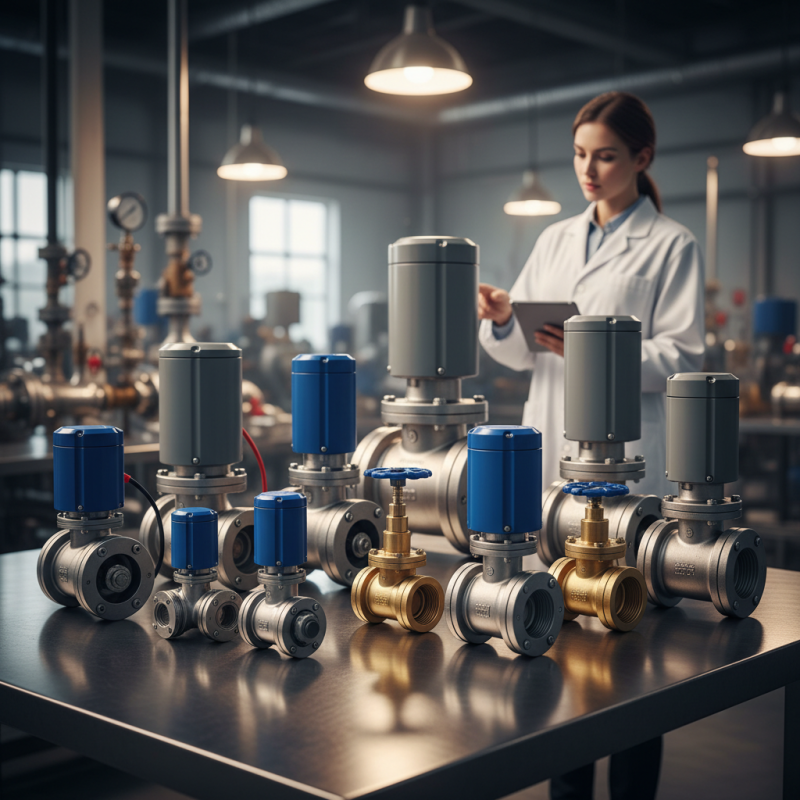
Understanding Electric Ball Valves: Types and Functionality
Electric ball valves serve crucial roles in fluid control systems. They are electronically operated, providing quick and accurate manipulation of flow. Their design consists of a spherical disc that pivots within the valve, either allowing or blocking fluid passage. This simple yet effective mechanism ensures minimal pressure drops.
There are different types of electric ball valves. Some are designed for on/off control, while others offer modulation capabilities. The material choice for construction can influence durability and compatibility. Common materials include stainless steel and PVC. It's vital to consider the environment where the valve will be installed. Poor choices can lead to failures, which may cause costly downtime.
When selecting an electric ball valve, pay attention to specific needs. Think about flow rates, pressure requirements, and temperature tolerances. A mismatch in valve specifications could lead to inefficient performance. Always verify power supply compatibility, as this can affect operation. Reflect on the maintenance aspects, too. Some designs require more upkeep than others, impacting long-term usability.
Types of Electric Ball Valves and Their Applications
Identifying Your Application Requirements for Electric Ball Valves
Choosing the right electric ball valves begins with understanding your specific application requirements. Different applications have unique demands. For instance, some systems may require precise flow control, while others might prioritize rapid on-off capabilities. According to a recent industry report, 35% of operational failures in fluid systems are linked to improperly selected valves. This highlights the importance of matching valves to job specifications.
Consider the medium in which the valve will operate. Corrosive substances demand materials that resist degradation. The temperature range is also critical. A valve that can't withstand high temperatures might fail, leading to costly downtimes. Data shows that over 20% of valve leaks result from thermal expansion issues. Users must account for these real-world challenges when selecting valves.
Flow rate ratings are equally important. Valves should maintain optimal flow without causing pressure drops. Many systems experience inefficiencies due to poorly chosen valve sizes. Some users might overlook this factor, leading to a mismatch. Understanding the specific needs of your application ensures that you avoid these pitfalls.
Evaluating Key Features: Size, Voltage, and Control Options
Choosing the right electric ball valve requires careful consideration of key features. Size is critical. The valve must fit your piping system perfectly. Measure the diameter and length of the area. A poorly sized valve can lead to leaks or operational issues.
Voltage is another essential factor. Most electric ball valves operate on low voltage. Typical options include 12V and 24V models. Ensure compatibility with your power supply. Mismatched voltage can cause failure, leading to costly repairs.
Control options also matter. Some valves offer manual overrides. Others connect to automated systems. Think about how you plan to use the valve. Your choice may require further research. A more complex setup might seem appealing but can complicate maintenance. Each decision should reflect your specific needs.
Comparing Brands and Models: Quality and Reliability Considerations
When choosing electric ball valves, evaluating brands and models is crucial. Quality and reliability can vary significantly among options. A recent industry report indicates that manufacturers with ISO certifications show higher performance and durability. These certifications ensure consistent production standards, which can translate to lower failure rates.
Consider how often the valve will be used. Frequent use requires a more robust model. Model specifications should match your system’s pressure and temperature requirements. There is data suggesting that a mismatch can lead to leaks or system failures. Look closely at materials too. PVC may not withstand high temperatures, while brass or stainless steel might be over-engineered for simpler applications.
Tip: Check for warranties and after-sales support. A good warranty reflects confidence in the product. Also, read customer reviews. They often reveal real-world performance. Not all popular choices may meet individual needs. Some available models may not perform well in specific environments. Always consider your unique application before making a purchase decision.
How to Choose the Right Electric Ball Valves for Your Needs? - Comparing Brands and Models: Quality and Reliability Considerations
| Feature | Model A | Model B | Model C |
| Material | Brass | Stainless Steel | PVC |
| Maximum Pressure (psi) | 150 | 200 | 100 |
| Temperature Range (°C) | -10 to 80 | -20 to 150 | 0 to 60 |
| Response Time (sec) | 2 | 1.5 | 3 |
| Power Supply (V) | 220 | 110 | 24 |
| Warranty (years) | 3 | 5 | 2 |
Installation and Maintenance Tips for Electric Ball Valves
When selecting electric ball valves, installation and maintenance are crucial. Proper installation ensures optimal performance. According to industry reports, improper installation can lead to a 30% increase in valve failure rates.
Before installation, prepare the area carefully. Ensure that the mounting surface is clean and level. Using the wrong fittings may cause leaks. Pay attention to torque specifications during installation. Over-tightening can damage the valve body. Test for leaks after installation.
Maintain your valves regularly to prolong their life. Check electrical connections and clean the actuator often. Dust and dirt can interfere with the operation. In fact, studies show that regular maintenance can increase valve lifespan by 40%. Make it a habit to inspect seals and gaskets as well. If worn, replace them promptly to avoid malfunctions. Regular maintenance minimizes downtime and repairs.
Lastly, consider your environment. Extreme temperatures or corrosive substances require special attention. Not paying attention may lead to failures that disrupt operations. Always adhere to manufacturer guidelines for maintenance. This helps mitigate risks associated with neglect.