How to Choose the Right Damper Actuator for Your Needs?
Choosing the right Damper Actuator is crucial for optimizing HVAC systems. A recent market report indicates the global damper actuator market is expected to grow by 6% annually. This growth underlines the increasing demand for efficient airflow control and energy management in modern buildings.
When selecting a damper actuator, factors like torque, speed, and compatibility with existing systems should be considered. Many end users overlook these aspects, which can lead to inefficiencies and increased operational costs. For example, an incorrectly sized actuator can result in inadequate airflow, affecting indoor air quality.
Effective airflow regulation is integral to energy efficiency. According to industry professionals, improper actuator choices can waste up to 30% of energy in HVAC systems. A thoughtful approach to selecting a damper actuator can not only enhance performance but also lead to substantial cost savings over time. Thus, understanding your specific needs is essential.
Understanding Damper Actuators: Types and Functions
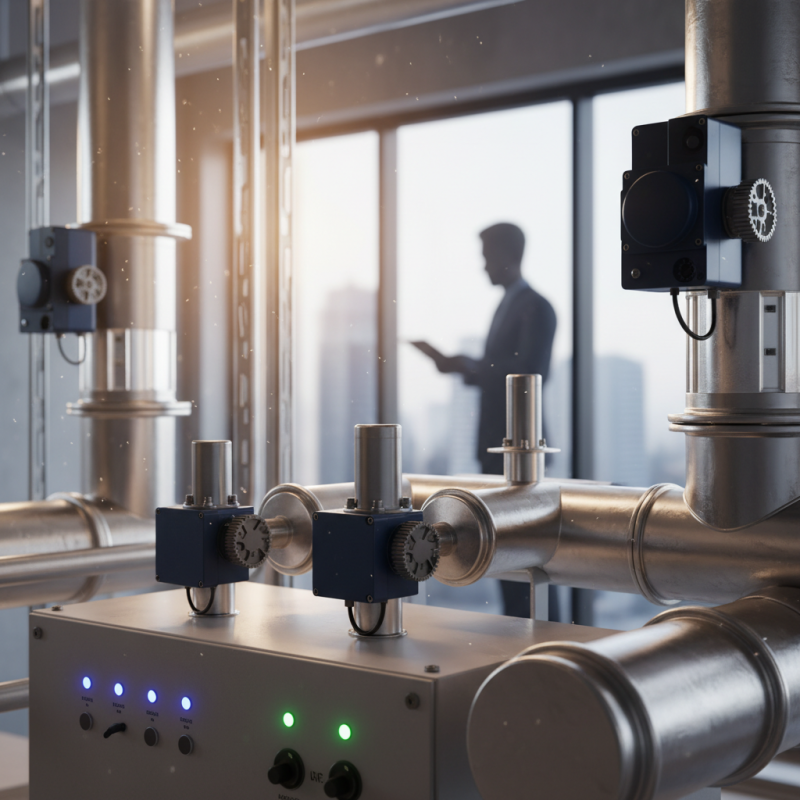
Damper actuators play a crucial role in controlling airflow in HVAC systems. They regulate the opening and closing of dampers, affecting air distribution. Understanding the different types of damper actuators is essential. Electric actuators are commonly used for their efficiency. They operate quickly and can be easily integrated into control systems. Pneumatic actuators, on the other hand, rely on compressed air. They are often favored in larger systems due to their ability to deliver consistent force.
Different applications require different functions. Some systems may need precise control, while others may just need basic open/close capabilities. Consider the environment where the actuator will be used. For instance, high humidity levels could impact performance. It’s also important to reflect on the actuator's power consumption. What seems efficient may not always be practical in real use.
Installation can be challenging. Improper setup may hinder the actuator's performance. Monitoring its function is key, yet many overlook this step. Regular checks can prevent performance issues. Think about the long-term implications of your choice. An actuator that works well today might not be suitable tomorrow.
How to Choose the Right Damper Actuator for Your Needs? - Understanding Damper Actuators: Types and Functions
| Type of Damper Actuator | Functionality | Typical Applications | Control Method | Power Source |
| Spring-Return Actuator | Returns to a default position when power is lost | Air handling units, ventilation systems | On/Off control | Electric |
| Modulating Actuator | Provides variable positioning | Energy-efficient HVAC systems | Analog control | Electric |
| Pneumatic Actuator | Uses compressed air to operate | Industrial processes, dampers in large systems | On/Off or modulated control | Compressed air |
| Electric Linear Actuator | Works in a straight line to open or close dampers | Smoke control systems, HVAC systems | Positioning and feedback control | Electric |
Key Factors to Consider When Choosing a Damper Actuator
Choosing the right damper actuator requires careful consideration of several key factors. One important aspect is the actuator's torque capacity. This determines how much force it can exert to open or close the damper effectively. An actuator with insufficient torque may struggle to operate under certain conditions, leading to inefficiencies. Always calculate the torque requirements based on the damper's size and type.
Another factor to consider is the control signal compatibility. Actuators can be controlled by various signals, such as analog or digital. Ensuring that the actuator matches the existing control system is crucial. A mismatch can cause performance issues or even failure to operate.
Additionally, consider the environment where the actuator will be installed. Temperature, humidity, and potential exposure to chemicals can impact durability and performance. Actuators designed for harsh conditions may be necessary, yet they often come at a higher cost. Hence, reflecting on the balance between durability and budget is essential.
Assessing Load Requirements for Your System
Selecting the proper damper actuator begins with understanding your system's load requirements. The load affects performance, efficiency, and longevity. A detailed assessment should consider both static and dynamic loads. Static loads are the weight and force that remain constant, while dynamic loads vary over time. This distinction is crucial for informed decision-making.
Understanding environmental conditions is also vital. Factors like temperature, humidity, and vibration can impact your actuator's effectiveness. The actuator must be able to handle these conditions without failure. Additionally, it’s wise to think about the future. Load changes might occur as systems evolve. Can your chosen actuator adapt? Flexibility is an essential but often overlooked aspect.
Another consideration is the actuator's control method. Different systems might require various control types. Some may need precise control, while others might only require basic on/off functionality. If your system needs change frequently, a versatile actuator could be beneficial. Balancing these factors can be challenging but necessary. Reflect carefully on your needs before making a decision.
Choosing the Right Damper Actuator: Assessing Load Requirements
Compatibility with Control Systems and Sensors
When selecting a damper actuator, compatibility with control systems and sensors is crucial. This ensures smooth operations and accurate performance. Consider the communication protocols used by your control systems. Common protocols include Modbus, BACnet, and LONworks. Each protocol has its specifications and requirements, which can influence your actuator choice.
Check if the actuator can integrate with existing sensors. Sensor types, like temperature or humidity sensors, must align with the actuator's capabilities. For example, an actuator with a 0-10V input may not work with sensors providing a different output. Additionally, careful evaluation of signal ranges is necessary. Mismatched signals can lead to inefficiency.
Finally, take a moment to reflect on your unique needs. Think about future expansion. Will your system grow over time? Choose an actuator that can adapt to evolving technology. Compatibility is not just a checkbox; it impacts overall system reliability and performance. Each decision shapes the final outcome. Are you making the right choice?
Maintenance and Performance Considerations for Damper Actuators
When selecting a damper actuator, maintenance and performance are crucial factors. Regular inspections can prevent costly downtime. Research shows that a proactive maintenance approach can extend the lifespan of actuators by 30%. This reduction in wear and tear leads to fewer replacements and lower operating costs.
Performance considerations are equally important. Proper calibration of the actuator ensures optimal airflow control. A report from the American Society of Heating, Refrigerating, and Air-Conditioning Engineers states that accurately tuned actuators can improve system efficiency by 15%. Improperly maintained units are often the source of energy inefficiency. A frequent issue is the accumulation of dirt and debris, which can impair performance.
It's vital to remember that not all actuators are created equal. Some may lag in responsiveness, especially under heavy use. Inadequate torque ratings can lead to failures. Continuous monitoring of performance metrics is essential for sustained efficiency. Ensuring that your choice of damper actuator aligns with your operational demands might save significant energy costs.