Why Choose High Pressure Electric Ball Valves for Your Needs?
In today's industrial landscape, the demand for reliable and efficient valve solutions continues to rise. High Pressure Electric Ball Valves are at the forefront of this evolution. According to a recent report by MarketsandMarkets, the global ball valve market is projected to reach USD 9.57 billion by 2025, driven by sectors such as oil and gas, water treatment, and power generation. This rapid growth highlights the critical nature of choosing the right valve technology for various applications.
High Pressure Electric Ball Valves offer unprecedented control and precision. Unlike traditional manual valves, these electric models enhance operational efficiency by allowing for remote operation and automation. The potential for energy savings is significant, as they reduce the risk of leaks and ensure tighter seals. However, not all systems are equally efficient. Some users report complications with installation and maintenance.
To achieve the best outcomes, companies should consider their specific needs and conditions. Engaging with experts who understand unique operational challenges is essential. While High Pressure Electric Ball Valves present many advantages, a tailored approach is crucial for long-term success and reliability in diverse industrial environments.
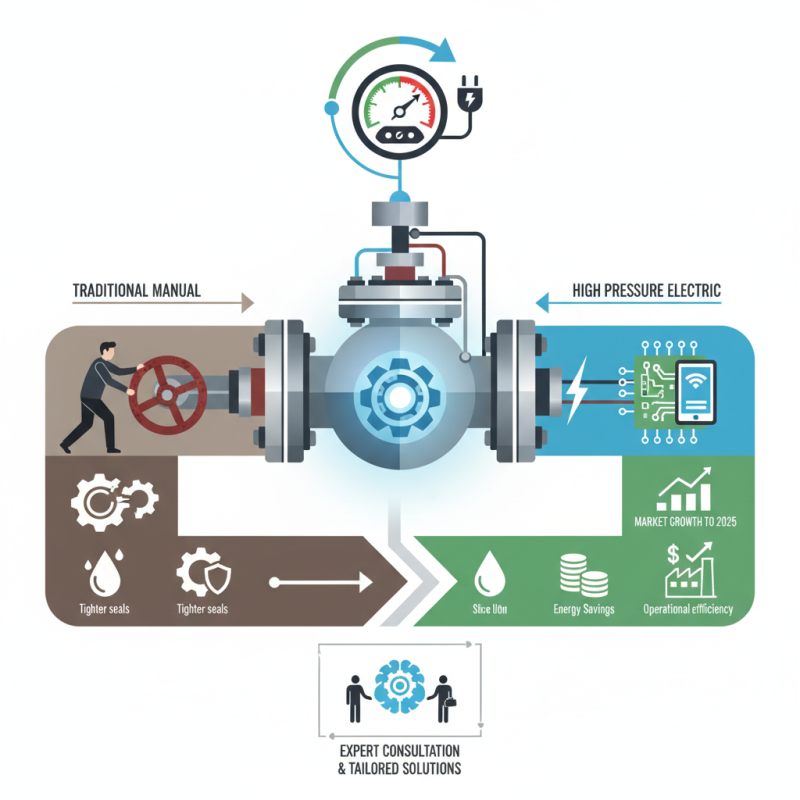
Advantages of High Pressure Electric Ball Valves in Industrial Applications
High-pressure electric ball valves offer numerous advantages in industrial applications. These valves provide precise control over fluid flow, making them ideal for environments where accuracy is crucial. They can handle extreme conditions and pressures, ensuring reliable performance in demanding settings. This reliability stems from their robust construction and electronic actuation, which enhances operational speed and efficiency.
Furthermore, high-pressure electric ball valves reduce the risk of leaks, contributing to safety and cost savings. Their design allows for quick opening and closing, minimizing downtime. In addition, they are often easier to integrate into automated systems than traditional valves. However, installation can pose challenges and require expertise to ensure optimal performance. Proper training and understanding of their operation are essential to harness their full potential.
However, the initial investment might be higher than manual options. Long-term benefits often compensate for this cost. Users should consider their specific requirements and future scalability when making a decision. It's crucial to regularly assess the performance of these valves to identify potential maintenance needs and improve operational efficiency.
Key Features That Make High Pressure Electric Ball Valves Stand Out
High pressure electric ball valves have unique features that make them invaluable in various applications. Their robust design allows them to handle high-pressure operations safely. This feature is critical in industries like oil and gas, chemicals, and water treatment, where reliable performance is essential. The materials used are often resistant to corrosion, which ensures durability and longevity.
Another standout feature is their precise control. These valves offer excellent flow regulation capabilities, which leads to increased efficiency. With electric actuation, they can respond quickly to control signals. This responsiveness helps maintain optimal performance in dynamic systems. However, some users may find the initial setup challenging, necessitating trained personnel for installation and programming.
Lastly, the integrated automation in high pressure electric ball valves promotes smart monitoring. Sensors can relay data on valve performance in real-time. While this feature is beneficial, it can also introduce complexities. Users must be aware of potential software issues that may arise. Balancing high-tech benefits with operational simplicity is a point of reflection for many.
How to Choose the Right High Pressure Electric Ball Valve for Your Needs
When selecting the right high-pressure electric ball valve, consider several crucial factors. Begin with the pressure rating of the valve. Ensure it meets or exceeds your system's requirements. An incorrect rating can lead to failures. Look into the valve's materials as well. They must be compatible with the fluids in your system. For instance, stainless steel is often preferred in corrosive environments.
**Tips:** Always check specifications. Don't overlook small details. A poorly chosen valve can disrupt operations.
Next, assess the control mechanism. Decide if you need a simple on/off function or more intricate control. Some applications benefit from modulating capabilities. This influences the actuator type you will choose. Precision and accuracy matter greatly in managing flow rates.
**Tips:** Test the actuator's responsiveness. Slow or erratic responses can cause efficiency issues.
Lastly, consider the installation requirements. Some valves may need special fittings or tools. This can affect your choice, especially if you're working in tight spaces. It’s vital to reflect on these details before making a purchase. A hasty decision could lead to operational inefficiencies down the road.
Common Applications for High Pressure Electric Ball Valves in Various Industries
High pressure electric ball valves are becoming increasingly important across various industries. Their robust design allows them to handle extreme pressures, making them ideal for demanding environments. In the oil and gas sector, these valves play a crucial role in managing high-pressure flow in pipelines. They ensure safety and efficiency in transporting fluids, reducing the risk of leaks and accidents.
In the chemical processing industry, high pressure electric ball valves are essential for controlling corrosive substances. These valves can withstand aggressive chemicals without compromising integrity. Their quick response times enable precise adjustments during critical processes, enhancing operational reliability. Additionally, in power generation, these valves regulate steam and fuel lines, contributing to efficient energy production.
Despite their advantages, it's important to consider their limitations. Not all applications may benefit from high-pressure capabilities. Maintenance can be demanding, as these valves require regular checks to ensure optimal performance. Overall, while high pressure electric ball valves offer many benefits, careful assessment and regular evaluation of their application can lead to better outcomes in various industries.
Maintenance Tips for Ensuring Optimal Performance of Electric Ball Valves
Maintaining high pressure electric ball valves is crucial for their optimal performance. Regular checks can prevent potential issues. Inspecting seals and gaskets ensures no leaks. Clean the valve to remove debris and buildup. This practice enhances longevity.
Temperature and pressure fluctuations can impact valve functionality. Monitoring these variables helps in identifying potential problems early. Ensuring the actuator is lubricated can improve the response time. A well-maintained actuator operates more efficiently.
Sometimes maintenance can reveal wear and tear. It’s important to address these issues promptly. Delaying repairs can lead to larger problems down the line. Consider documenting maintenance activities for better tracking. Over time, you'll notice trends that may indicate the need for replacement. Regular maintenance fosters reliability and performance in electric ball valves.
Why Choose High Pressure Electric Ball Valves for Your Needs? - Maintenance Tips for Ensuring Optimal Performance of Electric Ball Valves
| Feature | Description | Maintenance Tips | Benefits |
| High Pressure Capability | Designed to handle high pressure environments effectively. | Regularly check for leaks and perform pressure tests. | Increased safety and reliable operation in demanding applications. |
| Electric Actuation | Provides precise control over valve operation. | Inspect electrical connections and control systems regularly. | Enhanced efficiency due to automated operation. |
| Durable Materials | Constructed from high-quality materials resistant to corrosion. | Ensure periodic cleaning to prevent buildup and wear. | Longer lifespan and reduced maintenance costs. |
| Compact Design | Space-efficient construction suitable for tight installations. | Avoid over-tightening fittings that could damage compact components. | Flexibility in installation and reduced footprint. |