How to Choose the Best Wire for Thermal Spray Applications?
Choosing the right Wire for Thermal Spray applications is crucial for successful coating processes. The type of wire you select impacts the quality and durability of the applied coating. Various factors must be taken into account, including material compatibility and application requirements. Not all wires are created equal. Some may not withstand the high temperatures involved in thermal spraying.
When looking for wire for thermal spray, consider the specific properties of different materials. For example, a wire with high melting points is essential for certain applications. Furthermore, understanding the differences between wire types will help in making informed decisions. To achieve optimal results, it's vital to have expert insights and a grasp of application techniques.
It can be challenging to navigate the options available. There may also be unforeseen complications during the selection process. Reflecting on past experiences can guide improvements and better decision-making for future projects. A well-chosen wire can mean the difference between success and failure in thermal spray applications. Thus, it's essential to take your time and evaluate all possibilities.
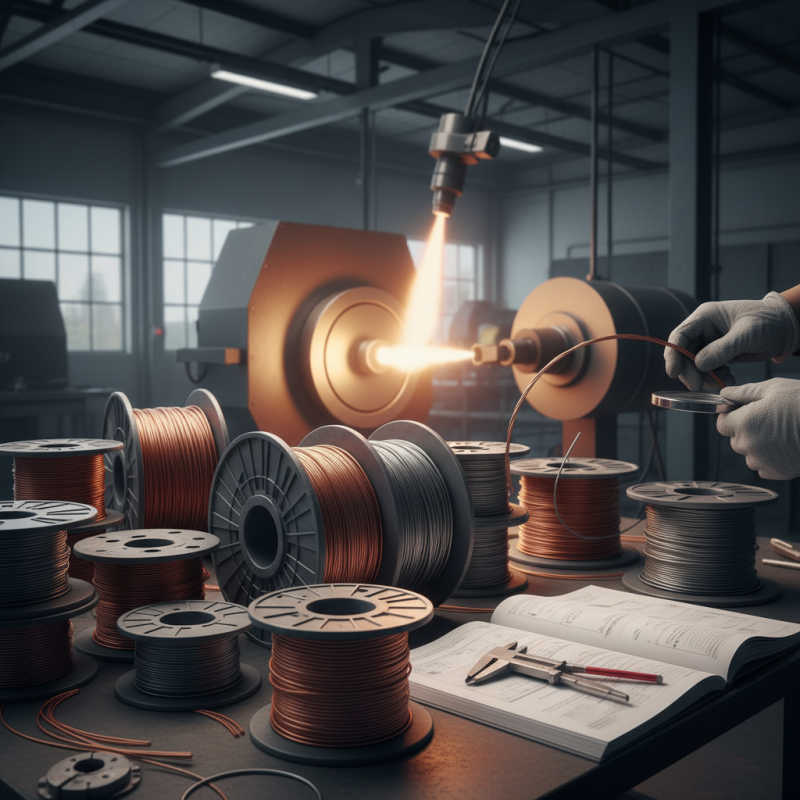
Understanding Thermal Spray Processes and Their Requirements
Thermal spray processes are vital in various industries, including aerospace and automotive. These applications often require specific wire types based on temperature tolerance and coating properties. A report from the Thermal Spray Association indicates that more than 80% of thermal spray operations depend on precise wire material selection. Factors like melting point, chemical composition, and thermal conductivity impact the effectiveness of the spray.
The wire must withstand high temperatures during the spraying process. For instance, nickel-based alloys are favored for their excellent thermal stability. In contrast, aluminum wires are used for their lightweight properties. However, challenges arise in achieving optimal coating adhesion and uniformity. A recent study highlighted that poor wire selection can lead to significant failures, marking a 15% increase in rework costs.
Selecting the right wire requires understanding the specific needs of each project. Different applications demand varying characteristics from the wire, which can complicate the decision-making process. A breakdown in this process can result in coatings that fail to meet requirements. Thus, clear communication among teams is essential.
Wire Selection for Thermal Spray Applications
| Wire Type | Composition | Applications | Diameter (mm) | Melting Point (°C) | Coating Thickness (mm) |
| Steel Wire | Iron, Carbon | Structural Coatings | 1.6 - 3.2 | 1500 | 0.1 - 1.0 |
| Nickel Alloy Wire | Nickel, Chromium | Corrosion Resistance | 1.2 - 3.0 | 1400 | 0.2 - 1.5 |
| Aluminium Wire | Aluminium, Silicon | Thermal Barriers | 1.0 - 2.5 | 660 | 0.1 - 0.8 |
| Copper Wire | Copper, Zinc | Electrical Conductivity | 0.8 - 2.0 | 1084 | 0.3 - 1.2 |
Key Factors Influencing Wire Selection for Thermal Spray Applications
Choosing the right wire for thermal spray applications involves several critical factors. One key consideration is the material compatibility. The wire must bond well with the substrate. Different materials will yield varying adhesion and performance. Thus, understanding the properties of both the wire and substrate is essential.
The diameter of the wire is another important factor. It impacts the heat input and spray efficiency. A thicker wire may provide better deposition rates, but it can also lead to rougher coatings. Balancing these aspects is vital for optimal performance.
Temperature resistance is also crucial. The wire must withstand the high temperatures of the thermal spray process. Inadequate resistance could result in melting or poor coating adhesion. This calls for an informed judgment on what specific conditions the wire will face. Finding the ideal wire requires a combination of science, practical experience, and deep understanding of application needs. Ultimately, trial and error can help refine the selection process.
Material Properties: Importance in Thermal Spray Wire Performance
Material properties play a crucial role in the performance of thermal spray wires. Understanding these properties can significantly impact the longevity and effectiveness of the coating produced during thermal spray processes. For instance, the wire's melting point affects how well it can be processed. A low melting point may lead to poor adhesion, while too high can cause excessive oxidation.
The chemical composition of the wire is another vital factor. It influences the wire's ability to bond to different substrates. Metallic wires might perform differently compared to ceramic options. Selecting a wire with a balanced composition can promote better hardness and wear resistance in the final coating.
Evaluating mechanical properties is equally important. Properties like tensile strength and elongation dictate how the wire behaves under stress. A wire with high tensile strength can endure harsh conditions, but it must also be flexible enough to facilitate the spraying process. Sometimes, achieving the right balance can be challenging and may require detailed testing and adjustments.
Comparative Analysis of Common Wire Types for Thermal Spraying
When it comes to thermal spray applications, choosing the right wire is essential. Different wire types serve unique purposes, and understanding their characteristics can lead to better results. Common wire types include stainless steel, nickel alloys, and ceramic materials. Each has its own advantages and limitations in terms of wear resistance, corrosion resistance, and bonding strength.
Stainless steel wires are often favored for their excellent durability. They can withstand high temperatures and resist oxidation. However, they might not provide the best bond for every surface.
Nickel alloys are a go-to for environments with high corrosion. These wires can offer superior protection but may require specific equipment settings for optimal performance.
Tips: Always analyze the specific needs of your application. Consider the environment where the coating will be exposed. Also, test different wire types to understand the nuances in performance. Experimenting with small batches can save time and resources in the long run. Keep records of your findings, as past experiences can guide future decisions.
Evaluating Cost-Effectiveness of Thermal Spray Wires in Industry Applications
Choosing the right wire for thermal spray applications involves careful cost-effectiveness evaluation. Reports indicate that thermal spray coating can extend the life of equipment by up to 50%. This longevity can open new revenue streams and reduce maintenance costs. In industries like aerospace and automotive, the cost of downtime is significant. A well-chosen wire can minimize this impact.
Understanding the cost implications of different wires is crucial. For instance, some materials reduce wear and tear but have higher initial costs. According to industry research, investing in high-quality thermal spray wires can lead to lower operational costs over time. Always consider total cost of ownership, not just initial purchase price.
Tip: Evaluate the required performance characteristics of your application. Consider factors such as thermal conductivity and corrosion resistance. These attributes can significantly impact both performance and lifespan.
Another consideration is the quality of the wire itself. Industry data shows that defects in wires can lead to over 30% higher failure rates in applications. Testing your wire’s thermal properties can prevent costly mistakes.
Tip: Engage with experts in the field to benchmark your choices against industry standards. Their insights can guide you to make informed decisions based on real-world experiences.