How to Choose the Best Homogeneous Floor for Your Space?
Choosing the right flooring for your space can be daunting. The homogeneous floor is a popular option, known for its uniform surface and durability. Reports indicate that homogeneous flooring has a lifespan of up to 20 years with proper maintenance. This type of flooring resists scratches and stains, making it suitable for high-traffic areas.
However, considering various factors is essential. Aesthetics, functionality, and price all play significant roles in decision-making. Industry surveys reveal that 70% of consumers prioritize appearance before choosing flooring. It's also important to reflect on installation challenges and maintenance needs. Some consumers find the cleaning requirements overwhelming. Proper research can prevent future regrets.
Furthermore, being aware of sustainable options in homogeneous flooring is crucial. Many brands now offer eco-friendly materials, aligning with growing environmental awareness. Balancing design preferences with practical needs is vital. Ultimately, the decision should enhance your space, highlighting both its beauty and functionality.
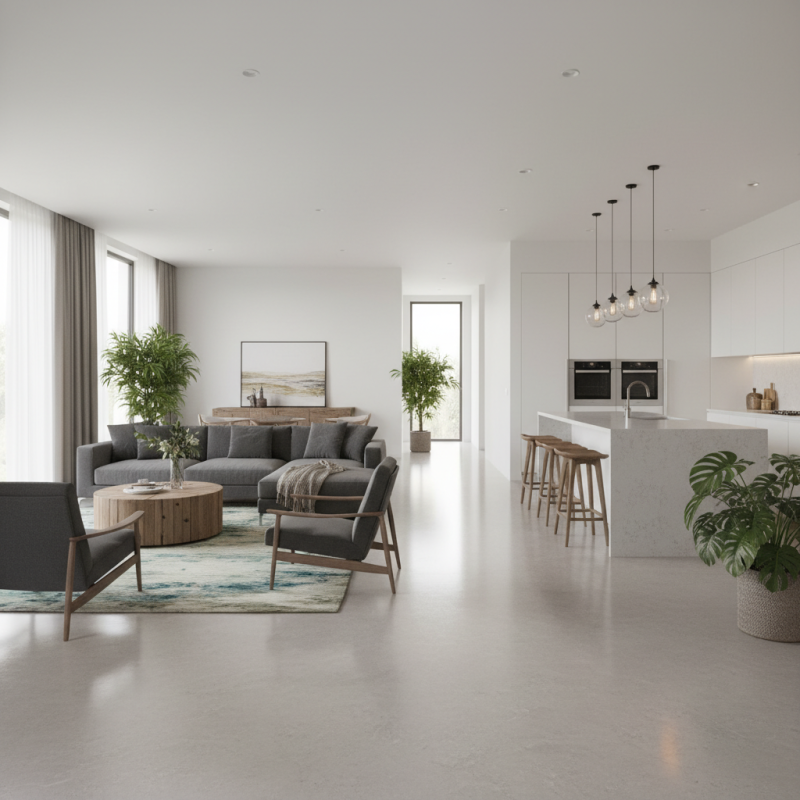
Understanding the Different Types of Homogeneous Flooring Materials
Choosing the right homogeneous flooring involves understanding the materials available. Two main types are vinyl and rubber. Vinyl flooring is durable and often used in residential settings. It offers a wide variety of colors and patterns. Rubber flooring is popular in commercial spaces due to its slip resistance. It’s ideal for gyms and healthcare facilities.
A recent industry report highlighted that vinyl flooring accounts for over 40% of the flooring market share. This reflects its growing popularity. Many choose vinyl for its ease of maintenance. Rubber flooring, while more expensive, provides excellent cushioning. This makes it appealing for spaces needing extra comfort.
However, not all options fit every need. Vinyl can be sensitive to temperature changes. It might warp in extreme heat. Rubber may smell unpleasant when first installed. Decisions should be made carefully. Understanding these nuances in material properties is essential for a satisfying choice.
Evaluating Durability and Maintenance Requirements for Your Flooring Choice
When assessing flooring options, durability is a crucial factor. Higher durability often means less frequent replacements. According to industry reports, homogeneous flooring can last up to 20 years with proper care. This longevity makes it a favorable option for high-traffic areas like commercial spaces.
Maintenance is equally important. Some flooring types require substantial upkeep. For instance, while certain materials resist stains, others do not. Regular cleaning can extend the life of your floor significantly. If you opt for a softer material, expect more scratches and dents over time. It's vital to consider your lifestyle and traffic patterns.
Tips: Choose a finish that matches your maintenance capabilities. A matte finish may hide scratches but could require more cleaning. Also, consider the environment. Humid spaces demand moisture-resistant options. Reflect on your choices regularly, as floors can impact both aesthetics and functionality.
Cost Considerations: Budgeting for Homogeneous Floor Installation and Maintenance
Budgeting for homogeneous floor installation requires careful planning. First, consider the type of materials needed. Options range from basic vinyl to premium porcelain. These materials vary not only in price but also in durability and appearance. Make a quick estimate of how much floor space you need. Costs can add up quickly, especially in larger areas.
Labor costs should not be overlooked. Depending on your region, installation fees can vary significantly. It's a good idea to get quotes from multiple contractors. This might take time, but it’s worth the effort. If you decide to DIY, factor in your skill level and potential mistakes. Sometimes, saving money initially can lead to costly repairs down the line.
Don’t forget ongoing maintenance expenses. Homogeneous flooring often requires periodic cleaning and possible refinishing. These tasks can add to your budget. Proper care can extend the life of your floor, but it requires commitment. Evaluating both installation and long-term costs is essential. It's easy to overlook these details, yet they significantly impact your overall investment.
Assessing Aesthetic Preferences and Design Compatibility in Flooring Options
Choosing the right flooring involves more than just practicality. Aesthetic preferences play a crucial role. Think about the colors you love. Are they warm, cool, or neutral? The color palette sets the mood for your space. For example, soft pastels create a calm atmosphere. Bold colors can energize a room.
Next, consider the design compatibility. Your flooring should harmonize with your existing decor. A sleek, modern floor may clash with traditional furniture. Contrast can be exciting, but too much discord can feel chaotic. Visualize your space with different flooring options. Use samples to see how they interact with walls and furnishings.
Reflections on texture are important too. Smooth finishes offer a contemporary look, while textured options add depth. Experimenting with different materials can lead to unexpected results. Maybe a natural wood look is appealing, but will it match the sleek appliances? Sometimes, practicality and style may not align perfectly. It's essential to assess if your choices truly resonate with your vision.
How to Choose the Best Homogeneous Floor for Your Space? - Assessing Aesthetic Preferences and Design Compatibility in Flooring Options
| Floor Type | Material | Color Options | Design Compatibility | Typical Use |
| Vinyl | PVC | Wide range from light to dark shades | Contemporary, Minimalist | Residential, Commercial |
| Laminate | Composite wood | Natural wood looks, various finishes | Traditional, Rustic | Residential |
| Ceramic Tile | Clay and glaze | Vast range of colors and patterns | Classic, Mediterranean | Kitchens, Bathrooms |
| Linoleum | Natural materials (linseed oil) | Bright colors, abstract designs | Retro, Vintage | All-purpose, Eco-friendly |
| Concrete | Cement | Neutral tones, stained options | Industrial, Modern | Lofts, Warehouses |
Exploring Environmental Impact and Sustainability of Various Flooring Types
When selecting a homogeneous floor, consider its environmental impact. Many flooring options have varying levels of sustainability. Some materials are renewable and recyclable, while others contribute to pollution. It’s crucial to weigh the pros and cons of each type. The carbon footprint of production plays a significant role. Some floors might look appealing but have hidden environmental costs. Make informed choices for a sustainable space.
Tips: Look for certifications that indicate eco-friendliness. Not all claims are genuine. Research each material's lifecycle before purchasing. This can save money and promote sustainability in the long term.
Another aspect to ponder is durability. Some floors may require frequent replacements, leading to waste. Consider how well the flooring will withstand daily wear and tear. A more durable option might initially cost more but will last longer. This can offset environmental costs over time.
Tips: Ask for samples and live with them. Observe how they perform. Also, think about maintenance. Some floors require harsh chemicals for cleaning. Select options that are easy to maintain and environmentally friendly.