How to Choose the Best Automatic Car Wash System for Your Needs?
In today's fast-paced world, choosing the right Automatic Car Wash system is crucial for maintaining your vehicle. Statistics show that nearly 70% of car owners prefer automatic washes for their convenience and efficiency. This emerging trend highlights the growing importance of quality car wash solutions.
However, with various options in the market, making a choice can be overwhelming. A report from the International Car Wash Association indicates that there are over 15,000 automated car wash facilities in the U.S. alone. These systems vary in features, from touchless technology to foam-based washes, each promising different benefits and drawbacks.
Understanding your needs is essential. This involves considering factors such as budget, location, and the features that matter most to you. Reflecting on user experiences can be beneficial, as some may find that a system they chose doesn’t fully meet their expectations. Striving for clarity amid the choices available will lead you to the best solution for your Automatic Car Wash needs.
Understanding Different Types of Automatic Car Wash Systems
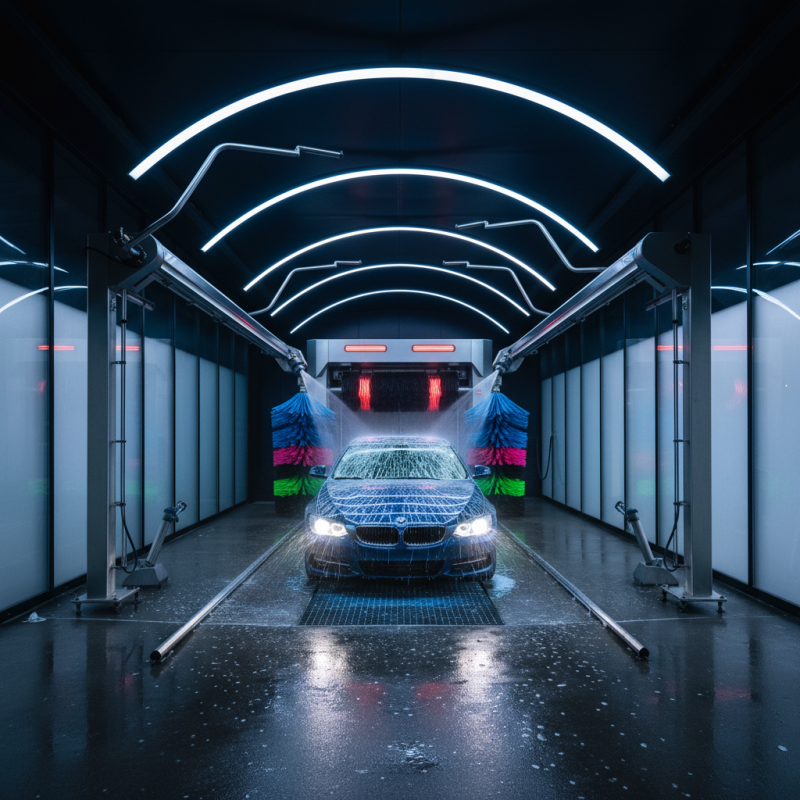
When considering automatic car wash systems, it's crucial to understand the various types available. Touchless systems utilize high-pressure water jets and soap solutions, which help remove dirt without the risk of scratches. These systems are ideal for delicate paint finishes. Industry reports indicate that touchless washes made up around 35% of installations in 2022. However, they may not always remove stubborn grime effectively.
In contrast, tunnel washes employ brushes and cloth materials to provide a more thorough cleaning. According to a recent survey, about 45% of car wash operators prefer this type, as they can enhance customer satisfaction with superior cleaning results. However, there’s a concern for wear on the vehicle’s surface over time. Careful maintenance and innovation in brush materials are essential to mitigate this risk.
Additionally, the hybrid models combine both touchless and friction techniques. They offer flexibility and can accommodate various vehicle types. A growing trend towards these systems reflects a market shift driven by consumer demand for effective and gentle washes. Making informed choices requires weighing the pros and cons of each type carefully.
How to Choose the Best Automatic Car Wash System for Your Needs? - Understanding Different Types of Automatic Car Wash Systems
| Type of Car Wash | Description | Advantages | Disadvantages | Cost Range |
| Touchless Car Wash | Uses high-pressure water jets and cleaning solutions without physical contact. | Gentle on paint, less risk of scratches. | May not remove heavy dirt or grime. | $10 - $25 |
| Soft Touch Car Wash | Utilizes soft brushes and cloths to clean the vehicle. | Effective in removing dirt and leaves a shiny finish. | Potential for scratches if brushes are not maintained. | $15 - $30 |
| In-Bay Automatic Car Wash | Car stays stationary while the wash system moves over the vehicle. | Convenient for customers, can handle various vehicle sizes. | Longer wash times compared to tunnel systems. | $20 - $40 |
| Tunnel Car Wash | Vehicles drive through a series of wash equipment in a tunnel. | Fast and efficient, great for high volume. | Can lead to wear on vehicles if equipment is worn. | $10 - $25 |
| Self-Service Car Wash | Drivers use provided equipment to wash their own vehicles. | Cost-effective, control over cleaning process. | Time-consuming, requires effort from the customer. | $5 - $15 |
Key Factors to Consider When Choosing a Car Wash System
When selecting an automatic car wash system, consider its efficiency and reliability. A system that performs well is essential for keeping vehicles clean. Look for features like soft cloth technology, which is gentle on paint yet effective in removing dirt. Additionally, inspect the water recycling capabilities. Systems with better recycling save water and reduce waste.
Tips: Always check user reviews. They provide insight into what to expect from specific systems. A model might look good but may have hidden flaws. Understand the space you have. A large system in a small area can lead to operational problems.
Moreover, consider maintenance requirements. Some systems demand more upkeep than others. If you’re busy, choose a system that is easy to maintain. Evaluate energy efficiency as well. Higher upfront costs may pay off in lower utility bills over time. Ultimately, reflect on the system’s adaptability to your location and customer needs. That ensures long-term success.
Assessing Your Specific Car Cleaning Needs and Preferences
When considering an automatic car wash system, start by evaluating your specific car cleaning needs. Think about the frequency of your washes and the types of dirt your vehicle encounters. According to a recent industry study, nearly 78% of car owners wash their vehicles monthly. Your routine may vary. Understanding your habits is key to selecting the right system.
Next, consider the unique features available in automatic car wash options. Some machines offer touchless cleaning, while others use brushes. Each method has pros and cons. Touchless systems are gentler on paint but may struggle with tough grime. A report from the International Car Wash Association reveals that 43% of users prefer systems with a combination of both methods. Assess how often you deal with stubborn dirt and what finish you desire.
Lastly, think about your preferences regarding water usage and eco-friendliness. Automatic systems can be efficient, using up to 80% less water than traditional washing methods. However, not all technologies are equally effective at reducing environmental impact. Reflect on the balance between cleaning power and sustainability. This consideration will help you find a car wash solution that aligns with your values.
Evaluating Costs and Maintenance Requirements
When considering an automatic car wash system, costs and maintenance requirements are crucial factors. According to the International Carwash Association, the average cost of an automatic car wash setup can range from $100,000 to $500,000 depending on equipment and size. This investment may seem substantial, but the long-term benefits often justify it. For example, a well-maintained car wash can generate annual revenues between $200,000 and $1 million.
Maintenance is an ongoing concern that can impact your operational costs. Regular inspections are necessary to prevent costly breakdowns. The expense of maintenance can range from $5,000 to $20,000 each year. Additionally, wear and tear on brushes and pumps must be factored into your budget. These components can require replacement every few years. Least considered, the skill level of maintenance personnel affects service quality. Hiring proficient technicians can add to labor costs but ultimately saves money in repairs.
Investing in a reliable automatic car wash system means assessing both upfront and continued costs. Many operators overlook the importance of a solid maintenance plan. Neglecting routine care can lead to unexpected failures and downtime. Therefore, understanding the financial implications of both setup and maintenance is vital. An informed decision will lead to a successful car wash operation that meets your needs.
Costs and Maintenance Requirements for Automatic Car Wash Systems
Comparing Industry Reviews and Customer Feedback for Insights
When selecting an automatic car wash system, it's essential to consider both industry reviews and customer feedback. Various sources indicate that reliability and efficiency are critical factors. According to a study by the International Carwash Association, systems that incorporate advanced technology reduce water usage by up to 40%. This efficiency not only serves the environment but also cuts operational costs.
Customer feedback often highlights performance alongside the user experience. Many reviews suggest that easy-to-use controls and quick wash cycles can lead to higher customer satisfaction. However, it's important to note that not all systems are flawless. Some users report issues like inadequate drying or uneven cleaning. The Better Business Bureau’s data also shows that complaints vary based on regional service quality, emphasizing the need for local research.
Comparing different models while weighing customer insights will guide you to a practical decision. Reader testimonials can shed light on long-term reliability. Preferences may vary widely, signaling that a one-size-fits-all approach could fall short. Systems with a balanced focus on performance and user experience are often recommended, but thorough investigation remains vital.