What to Consider When Choosing an Industrial PC for Your Business
Choosing the right Industrial PC for your business can be challenging. Numerous factors must be considered to meet specific operational needs. An Industrial PC is not just a typical computer; it is designed to withstand harsh environments. These computers often handle complex tasks in manufacturing, logistics, and automation.
Key specifications like processing power and memory significantly influence performance. High-quality components are crucial for reliability and longevity. You may find a stunning range of options on the market, each with its strengths and weaknesses. Reflecting on your unique requirements will guide your decision.
Selecting an Industrial PC involves balancing features, budget, and future scalability. While you may be tempted by cutting-edge technology, consider the total cost of ownership. Does the hardware fit your existing systems? Is the vendor reputable? Delve deeper into the manufacturer's support services. Ultimately, a well-informed choice will ensure that your Industrial PC meets not only today’s demands but tomorrow’s challenges as well.
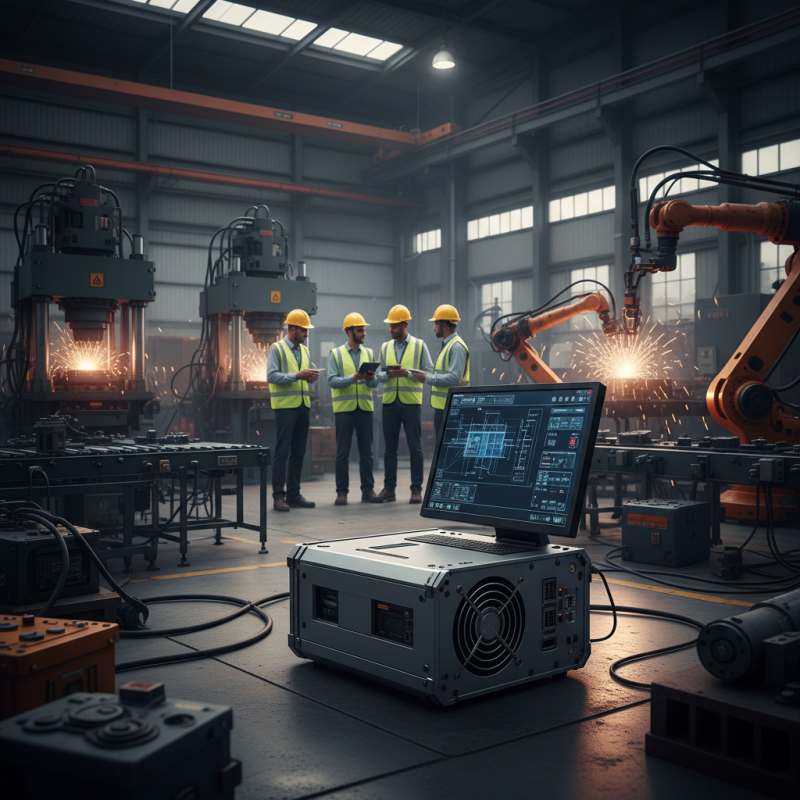
Key Factors in Selecting an Industrial PC for Business Applications
When selecting an industrial PC for business applications, several key factors must be considered. Reliability is paramount. Industrial PCs often operate in harsh environments. They may be exposed to dust, temperature swings, and vibrations. Choosing a device built to withstand these conditions can prevent costly downtime.
Performance is another critical aspect. Consider the specific tasks your business will run. Will you require advanced processing power for machine learning or simpler solutions for data collection? The hardware should match your software needs. Sometimes, clients underestimate future demands. A more robust system may save you upgrades down the line. Balancing performance with budget is essential.
Scalability cannot be overlooked. As your business grows, so will its demands. Opt for a PC that can accommodate additional peripherals or expanded storage. Flexibility in configurations can future-proof your investment. Evaluate the support and warranty options available. A well-supported device adds an extra layer of reliability and peace of mind. As you make your choice, reflect on your long-term goals and how the selected PC aligns with them.
Understanding the Different Types of Industrial PCs Available
When selecting an industrial PC, it's crucial to understand the types available. There are varying designs tailored for specific environments. You can find panel PCs, box PCs, and embedded systems. Each type offers unique benefits suited for different applications.
Panel PCs integrate displays with processing units, making them user-friendly. They are ideal for touchscreen interfaces. Box PCs offer robust performance and can withstand harsh conditions. They are typically used for heavy-duty applications. Embedded systems, on the other hand, are compact and energy-efficient. They are perfect for specialized tasks.
Consider these tips. Assess your operational environment. Think about temperature ranges and potential dust exposure. Ensure the PC meets industry standards. Evaluate processing power requirements. A mismatch could slow operations and reduce efficiency. Remember, not every solution fits every need. Be open to refining your choices based on trial and feedback.
Evaluating Performance Specifications: CPU, RAM, and Storage Needs
When selecting an industrial PC, evaluating performance specifications is crucial. The CPU serves as the heart of the system. A multi-core processor can handle demanding tasks and improve multitasking abilities. Research shows that systems with at least a quad-core CPU boost performance by approximately 30% in industrial automation tasks. This performance gain is vital for real-time data processing and complex calculations.
RAM also plays a significant role. For industrial PCs, 8GB is the minimum recommended amount. However, leveraging 16GB or more can enhance performance when running multiple applications simultaneously. A recent industry report noted that upgrading RAM from 8GB to 16GB can lead to a 50% improvement in application responsiveness. This statistic suggests that investing in adequate RAM is essential for operational efficiency.
Storage capacity and speed are just as important. Solid-State Drives (SSDs) are generally preferred over traditional Hard Disk Drives (HDDs) due to their faster read and write speeds. SSDs can enhance boot times and data retrieval, making them ideal for processes requiring high speed. However, some businesses may underestimate their storage needs. It's essential to analyze data volume, as ignoring future growth can lead to significant operational challenges.
What to Consider When Choosing an Industrial PC for Your Business
| Performance Specification | Description | Recommended Range |
| CPU | The processor determines the speed and efficiency of tasks. | Quad-core or higher, 2.0 GHz or faster |
| RAM | Random Access Memory affects multitasking ability and performance. | 8 GB minimum; 16 GB preferred |
| Storage | Storage type and capacity influence data access speed and volume.
Options include SSD and HDD. | 256 GB SSD minimum; 1 TB HDD for larger needs |
| Graphics | Essential for applications requiring graphical user interface and visualization. | Dedicated GPU with at least 2 GB VRAM |
| Operating System | The OS affects compatibility with software solutions. | Windows 10 Pro or Linux-based |
Assessing Environmental Durability and Compliance Standards
When selecting an industrial PC, assessing environmental durability and compliance standards is crucial. Many industries operate in harsh environments. Therefore, the devices must endure extreme temperatures, humidity, and vibration. According to a report by Research and Markets, the global industrial PC market is expected to grow significantly, emphasizing the importance of robust devices.
Durability is key. Look for an industrial PC with an IP rating. An IP65 rating, for instance, indicates protection against dust and low-pressure water jets. This attribute is essential for factories with constant exposure to particles and moisture. Compliance with standards such as NEMA or IEC can also ensure that your equipment can handle its operational environment.
Tip: Always verify the environmental ratings before purchase. It is easy to overlook but crucial for long-term functionality.
Moreover, compliance with industry-specific standards like ISO or CE is vital. Such certifications reflect reliability and a commitment to quality. Organizations often face penalties for non-compliance, which could impact operational service significantly. Checking for these standards helps ensure the chosen PC meets industry requirements.
Tip: Assess the environmental conditions before making a decision. Conducting a thorough risk assessment can save you from costly mistakes later on.
Budget Considerations: Cost vs. Long-term Investment in Industrial PCs
When selecting an industrial PC, budget considerations are pivotal. A decision based only on initial costs can lead to unforeseen expenses. Recent industry reports indicate that nearly 40% of businesses incurred higher operational costs due to short-lived equipment. It’s crucial to evaluate the long-term investment potential of industrial PCs.
The right industrial PC can yield significant returns over time. According to a study by Market Research Future, companies that invest in high-quality PCs experience a 20% reduction in downtime. This ultimately translates to improved productivity and profitability. However, balancing upfront costs with potential savings isn't straightforward. Businesses must critically assess their specific needs and capacities.
While lower-priced options might appear attractive, they often compromise on essential features. Essential factors include durability, processing power, and energy efficiency. A less reliable industrial PC may create ongoing maintenance costs. Additionally, standard warranties may not provide adequate support for critical operations. Taking time to consider these factors can influence overall success significantly.