How to Choose the Right Laboratory Coating Machine for Your Needs?
Choosing the right Laboratory Coating Machine is crucial for efficient research and product development. Dr. Sarah Miller, a leading expert in laboratory equipment, states, "Selecting the right machine can enhance your workflow significantly." This insight reflects the importance of understanding your specific needs before making a purchase.
Laboratory Coating Machines come in various models and functionalities. Each design serves different applications, from pharmaceuticals to food sciences. An ideal choice should align with your laboratory's production scale and material requirements. For instance, smaller labs might benefit from compact machines, while larger facilities may require industrial-grade solutions.
Consideration for features is essential. Factors like coating thickness, precision, and ease of operation play significant roles in production quality. Reflecting on the experience of others can guide your decision. Make sure your choice reflects the balance of technology and your lab's unique demands.
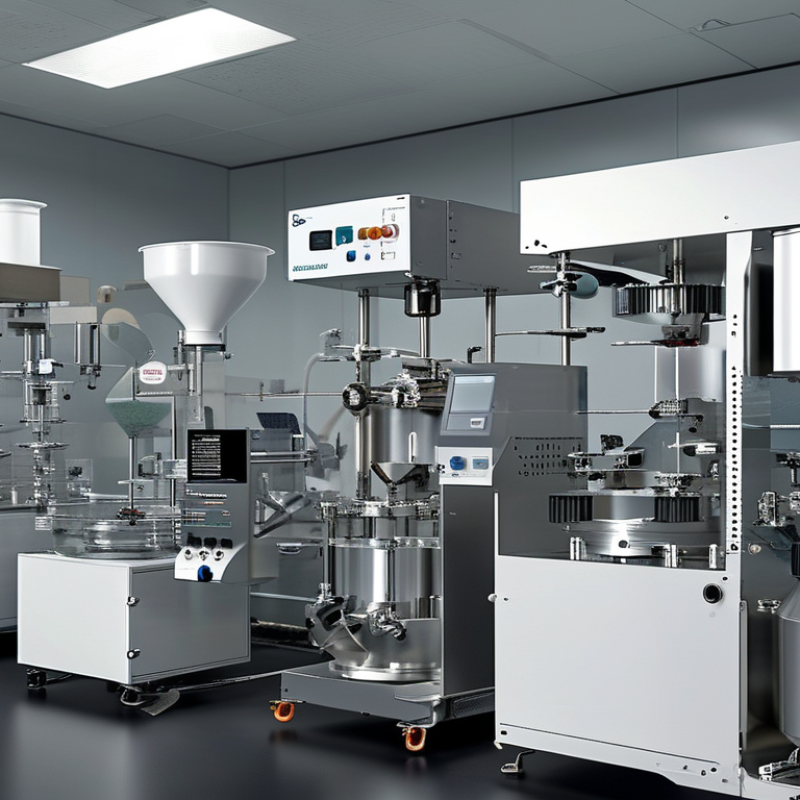
Factors to Consider When Selecting a Laboratory Coating Machine
When selecting a laboratory coating machine, several critical factors should be considered. Think about the scale of your operation. Smaller labs may benefit from compact machines, while larger facilities may require high-capacity equipment. Understand your coating needs, as different applications demand distinct technologies. You may need a machine designed for specific tasks, such as uniform coatings or different substrate materials.
Material compatibility is another vital element. Ensure the machine can handle the specific materials you use in your processes. Consider the types of coatings, such as polymers or ceramics. Look into the machine’s versatility and whether it can adapt to future projects. Also, investigate the operational ease. Complex machines may require extensive training, which can slow down productivity.
Finally, maintenance and support play crucial roles. A machine that is hard to maintain can lead to downtime and unexpected costs. Reflect on the availability of replacement parts and technical support. These factors can influence long-term reliability. Balance the initial costs with expected longevity and service quality as you make your decision.
Types of Laboratory Coating Machines and Their Applications
When selecting a laboratory coating machine, it’s crucial to understand the various types available and their specific applications. There are several types, including dip coaters, spray coaters, and spin coaters. Dip coaters immerse substrates in a coating solution, ideal for uniform layer application. Spray coaters, on the other hand, employ an airbrush method to apply coatings in a more dynamic fashion. They are well-suited for larger surface areas or irregular shapes.
Spin coaters utilize centrifugal force to create thin, even layers of coating. This method is beneficial for precise applications, such as in the semiconductor industry. Each machine type presents unique advantages and challenges. Dip coaters may lead to excessive coating in some areas, while spin coaters require careful calibration for exact thickness. Recognizing these nuances is essential for making an informed choice. Moreover, the environment and specific requirements of your lab can greatly influence which machine is suitable.
Consider the materials you will work with because they can affect the performance of the machine. Some coatings may react poorly with certain types of machines, leading to unsatisfactory results. It is always helpful to consult with experts or conduct pilot tests before making a final decision. Understanding the capabilities and limitations of each option can save time and resources in the long run.
Evaluating Production Capacity and Efficiency Requirements
When considering a laboratory coating machine, evaluating production capacity and efficiency is essential. Begin by analyzing your laboratory's specific needs. Clearly define the types of materials you'll be coating and the desired thickness. Each application may require different machinery capabilities. Calculate your expected output volume daily or weekly. Too much capacity might lead to wasted resources, while too little can cause delays.
Efficiency is not just about speed; it's also about consistency. Look for machines that offer precise control over coating parameters, like speed, temperature, and pressure. Regular maintenance and ease of use also play crucial roles in achieving efficiency. A machine that is difficult to operate may lead to increased downtime. Assess the potential training needs for your staff. You may need to incorporate new protocols to maximize output quality.
Lastly, reflect on the scalability of your chosen machine. If your production needs grow, will it accommodate this increase? Some machines might initially seem perfect but lack flexibility for future changes. Regularly revisiting your production goals will help ensure your machinery continues to meet evolving demands. Each choice made today must consider its long-term implications on both efficiency and production capacity.
Understanding Material Compatibility for Coating Processes
Choosing the right laboratory coating machine involves understanding the materials involved in your processes. Each coating material has specific compatibility factors. These determine the machine's design, nozzle type, and the processing environment. Ignoring material compatibility can lead to inefficient coating results and increased waste.
When evaluating options, consider the chemical properties of your coating materials. Some solvents might react negatively with certain machine materials, leading to damage or contamination. It's essential to review the technical specifications of the machines. Look for features that highlight the capability to handle specific materials, such as temperature controls and material-resistant components.
Testing different machines with your specific coatings can reveal unforeseen challenges. Some machines may perform well with one material but falter with another. Reflecting on these results is key. Conduct thorough trials and be prepared to adjust your choice based on performance data. Understanding material compatibility is not just a step in the process; it shapes your entire coating strategy.
Budget Considerations and Cost-Benefit Analysis
Choosing the right laboratory coating machine involves careful budget considerations and cost-benefit analysis. Understanding how much you can invest is crucial. A well-planned budget not only ensures that you meet your needs but also maximizes your investment’s potential. The initial cost of the machine is just one part. Don't forget additional expenses like maintenance and operational costs.
Consider the machine's capabilities relative to its cost. A cheaper option might save money upfront, but could lead to higher operational costs later. This trade-off requires a thorough analysis. Evaluate the equipment's efficiency and longevity. A high-quality machine may have a higher price, but could ultimately offer better value through reduced downtime and lower replacement rates.
Reflect on the specific features you need. Sometimes, machines come with features that you may not need. Being practical is vital. Engage with industry experts or peers to gain insights. They can provide valuable feedback on the machines they've used. Their experiences add depth to your decision-making process. Remember, this is an investment in your laboratory's future, so weigh all options carefully.