How to Choose the Best Lamination Machine for Your Needs?
Choosing the right Lamination Machine can feel overwhelming. With numerous options available, making a decision requires careful consideration. David Turner, an expert in the laminating industry, once stated, "The best lamination machine should meet your specific needs."
When shopping for a lamination machine, think about your purpose. Are you using it for business or personal projects? The scale and type of work can greatly influence your choice. There are machines designed for high-volume use and those suitable for occasional crafting. The right fit can enhance your workflow and quality.
Moreover, consider the features you truly need. Some machines come with advanced settings while others are simpler. A common mistake is buying based solely on brand names or flashy designs. Real-life reviews and user experiences can reveal practical insights. Reflecting on these details can lead you to a more informed selection. In the end, the right lamination machine should not just look good; it must serve your needs efficiently.
Understanding Your Lamination Needs
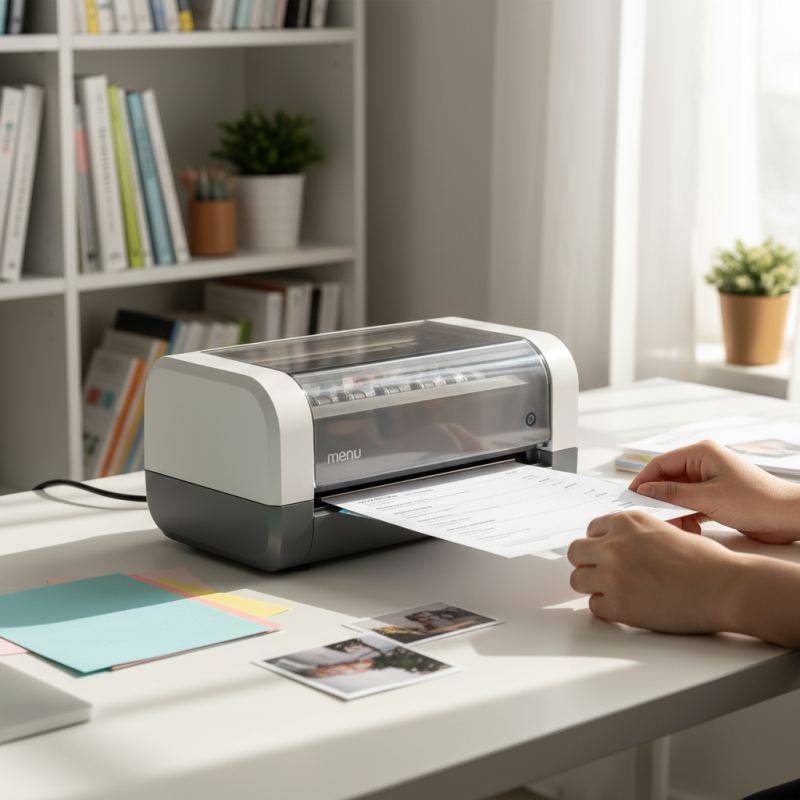
When selecting a lamination machine, understanding your specific needs is paramount. Different projects require different laminating solutions. For instance, if you work primarily with documents, a pouch laminator might be ideal. However, if you need to laminate larger items, a roll laminator could be more suitable. According to industry reports, about 35% of businesses lean towards pouch laminators for their versatility.
Knowing the thickness of your materials is crucial. Standard laminating pouches typically range from 3 mil to 10 mil. Thicker pouches provide more durability but might not suit all machines. Users often express confusion over which thickness to choose. It's essential to match pouch thickness with the existing laminating machine specifications.
Tips: Test different pouch sizes to see what works best. Don’t rush the process; improper settings can lead to unsatisfactory results. Many users fail to adjust settings based on their materials, leading to wasted supplies and time. Monitor temperature closely for optimal laminating. It's a common mistake to overlook this step, which can affect quality. Explore various materials, as some die-cut products require specific lamination techniques.
Types of Lamination Machines Available
When selecting a lamination machine, understanding the types available is essential. Various models cater to different needs. For instance, thermal lamination machines use heat to bond layers together. They create a shiny finish and are ideal for documents that need durability. However, they can be costly to operate due to the energy required.
Cold lamination machines are another option. They use pressure instead of heat, making them safer for heat-sensitive materials. They are also versatile. Cold lamination is a good choice for photos and delicate papers. On the downside, the finished product may not be as glossy. This can leave some users disappointed.
Pouch laminators are quite popular as they are user-friendly. They allow for easy lamination of smaller items. Yet, they can be limited in terms of the size of documents. Large projects may require a different solution. Finally, roll laminators cater to high-volume needs. They can handle larger projects efficiently but may take up significant space in your workspace. Making the right choice often includes weighing these factors against your specific requirements.
How to Choose the Best Lamination Machine for Your Needs? - Types of Lamination Machines Available
| Lamination Machine Type | Ideal Use | Max Width (inches) | Speed (inches/min) | Price Range ($) |
| Cold Lamination Machine | Photos & Documents | 12 | 5 | 100 - 300 |
| Hot Lamination Machine | Banners & Credentials | 25 | 10 | 200 - 600 |
| Pouch Lamination Machine | Small Projects & Crafts | 9 | 3 | 50 - 150 |
| Roll Lamination Machine | High-Volume Production | 61 | 20 | 500 - 1500 |
| Desktop Lamination Machine | Home Use & Small Offices | 12 | 4 | 80 - 250 |
Key Features to Consider When Choosing
When choosing a lamination machine, it's essential to focus on key features that meet your needs. One crucial aspect is the machine type. There are pouch laminators and roll laminators. Pouch laminators are often compact and suitable for small projects. Roll laminators, on the other hand, are ideal for larger tasks. Decide on the scale you require for your projects.
Another important factor is the thickness of the laminating film. Not all laminators can handle thick films. Standard machines usually work best with 3 to 5 mil thickness. If you wish to laminate photographs or documents needing durability, consider machines that accept 10 mil or thicker films. Look closely at the specifications.
Tip: Always check for user-friendly controls. A complex machine can lead to frustration, especially for first-time users. It's worth reading reviews to gauge ease of use. Keep your projects in mind when evaluating speed and temperature settings.
Lastly, consider the warranty and customer support. A robust warranty can save trouble later. Finding a supportive service can be invaluable, especially if issues arise. Research thoroughly and ensure you make a thoughtful choice.
Assessing Budget and Cost-Effectiveness
Choosing the right lamination machine is crucial for your projects. One key factor is your budget. According to industry insights, the average price of a reliable lamination machine can range from $200 to $1,500. Understanding your needs will help you avoid overspending.
It's essential to consider not just the purchase price but also long-term costs. A cheaper machine may save money upfront, but can lead to higher maintenance costs. Data shows that a well-chosen machine can save up to 30% in operational costs over its lifetime. Opt for models that offer durability and efficiency to maximize your investment.
Tips: Always read customer reviews before buying. Look for experiences from users in similar industries. Determine if the machine can handle the volume you expect. If it can’t, it’s not worth your money. Another tip is to factor in the cost of supplies, like laminating films. Cheap films can affect the quality of your work. Ultimately, spend wisely and consider both immediate and future needs.
User Reviews and Brand Reputation
When selecting a lamination machine, user reviews play a crucial role. They offer insights that product descriptions may miss. A device might look perfect on paper but fail in real-life applications. Reading user experiences can reveal consistent issues. For instance, some users may complain about jamming or inconsistent results. These reviews highlight potential drawbacks.
Brand reputation is also important. Established brands often have a history of reliable products. However, new brands may offer innovative features. Researching these can help users weigh their options. Not all reputable brands are immune to flaws. A machine with bad reviews, even from a known brand, deserves scrutiny. It's essential to ask for feedback from actual users, not just marketing materials.
Before purchasing, consider your specific needs. A more expensive model may not be worth it for occasional use. Look for machines with solid, varied reviews that align with how you plan to use them. Faulty machines can lead to frustration and wasted materials. Balancing user insights with brand reputation is key to making an informed decision.