China Top 10 Date Bar Extrusion Line Manufacturers
Selecting a Date Bar Extrusion Line is not just a matter of comparing advertised output. A line must handle the actual recipe, from sticky fruit paste to inclusions such as nuts or seeds. Buyers also need to examine portion accuracy, rope consistency, cutting quality, and how quickly operators can clean product-contact parts. Small details matter.
Food extrusion researcher Dr. Mian N. Riaz provides a useful technical perspective on extrusion and process control. The following is a paraphrase, not a verified direct quotation: “Reliable extrusion depends on matching the process conditions to the material, then checking the product—not just the machine settings.” That principle suits date bars, where small changes in moisture or temperature can affect shape and texture.
This guide introduces ten manufacturers in China and the practical questions that help distinguish their equipment. Look for clear specifications, test runs using a comparable recipe, and evidence that the line can maintain consistent bar dimensions. Ask how forming, cutting, conveying, and optional cooling work together. Then consider operator training, spare-parts access, and responsive technical support. A polished brochure is not enough. Real production trials matter.
Not every buyer needs the fastest line. A compact setup may fit a smaller factory, while higher output can demand more floor space and tighter process control. This comparison is a starting point, not a substitute for factory checks. Verify each claim before making a purchase.
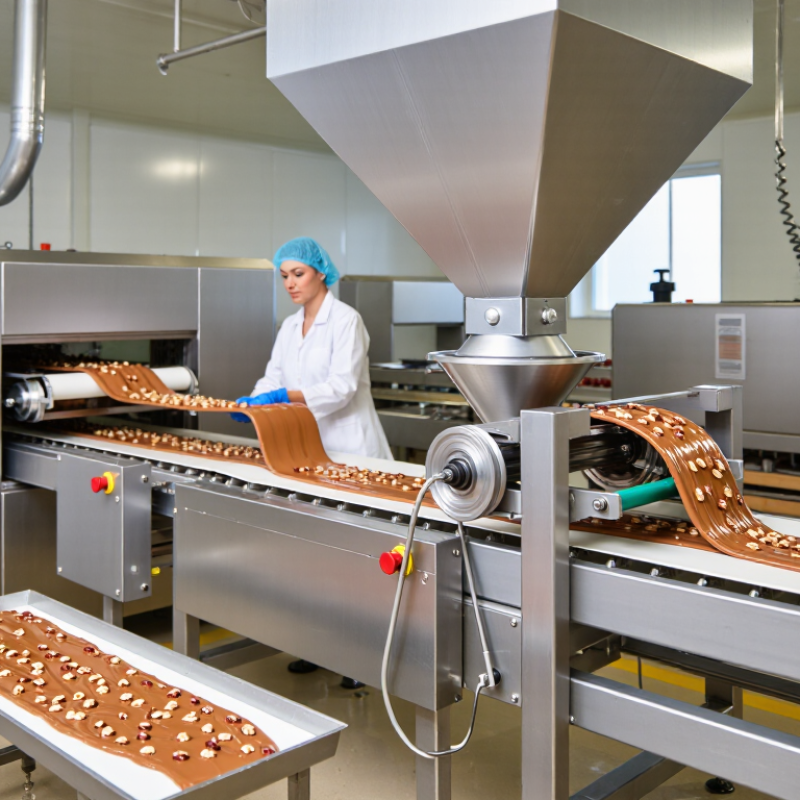
What a Date Bar Extrusion Line Is and How It Works
A date bar extrusion line shapes a prepared fruit mixture into continuous ropes, then cuts them into uniform bars.
Pitted dates are usually chopped or milled before mixing with ingredients such as oats, seeds, or nuts. The blend should hold together without becoming so sticky that it clings to the hopper. Small changes matter. A slightly drier mix may crack at the die; a wetter one can slump after forming.
The mixture moves from a hopper into a forming chamber, where a screw pushes it through a shaped opening called a die. The die determines the rope’s width and profile. A cutter then portions the rope to the required length, and a conveyor carries the pieces toward cooling or packaging. Then it is cut.
Operators check bar weight, edges, and texture during production, since a neat shape does not guarantee a consistent bite. Not always. Feed rate, ingredient temperature, and residue on the die can all affect the result. A practical setup needs adjustable controls and accessible surfaces for cleaning; even a well-designed line may need tuning when the recipe changes.
Main Components and Production Stages of an Extrusion Line
A date-bar extrusion line typically includes a feed hopper, metering feeder, conditioner, screw-and-barrel assembly, forming die, cutter, and cooling conveyor. Each component affects the next. Uneven feeding can create bars with inconsistent density, even when the die is well designed. FAOSTAT’s 2022 production statistics record roughly 9.7 million tonnes of dates worldwide. That figure shows the crop’s scale, not the capacity a particular line should target.
Production starts with sorting and pitting, followed by grinding dates into a uniform paste. The paste is blended with other ingredients, then fed at a controlled rate into the extruder. Inside the barrel, screw action mixes and conveys the material; heat and pressure should be managed carefully to limit sticking and texture changes. At the die, the paste forms a continuous strip, which a cutter portions into bars before cooling and packaging. USDA FoodData Central entries show that date varieties differ in moisture content, so recipes may need adjustment before extrusion. Small details matter. A practical commissioning check is to weigh bars at regular intervals and inspect cut edges for tearing. Operators sometimes underestimate how much a small moisture shift changes flow. Pilot runs help set feeder rates, temperatures, and screw speed; those settings should not be assumed universal.
China Top 10 Date Bar Extrusion Line Manufacturers — Main Components and Production Stages
A typical date bar production sequence, from preparing the ingredients to packaging the finished bars.
The values indicate process order only, not processing time, production capacity, or equipment performance. A typical line may include a date preparation unit, mixer, extruder or former, cutter, cooling conveyor, and packaging machine. Actual configurations vary by product and facility.
Criteria for Evaluating Chinese Date Bar Extrusion Line Manufacturers
China Top 10 Date Bar Extrusion Line Manufacturers
Criteria for Evaluating Chinese Date Bar Extrusion Line Manufacturers
A reliable evaluation starts with the product, not the catalogue. Ask suppliers to run your actual date paste, including the recipe’s toughest batch. Check bar weight, dimensions, surface cracks, and output stability across a full production shift. A polished sample proves little. Request recorded trial results.
Hygiene and cleanability deserve close attention. Inspect product-contact surfaces, welds, seals, and access points where sticky residue can collect. Ask how changeovers are performed and how long cleaning takes. The FAO’s 2023 report estimated that 13.2% of food was lost after harvest and before retail in 2021. That figure is not specific to date bars, but it highlights why process waste and downtime deserve measurement. Small losses add up.
Compare line capacity under realistic operating conditions, not just advertised maximum speed. Review motor and control specifications, safety documentation, spare-parts availability, and technician response times. Request a factory acceptance test with agreed targets for throughput and product consistency. Then confirm those targets during installation. No checklist is perfect. I would also speak with an existing customer, if possible; one awkward maintenance story may reveal more than a polished presentation. Ask for a clear quotation that separates included equipment, optional upgrades, and commissioning costs.
Profiles of Ten Chinese Date Bar Extrusion Line Manufacturers
China Top 10 Date Bar Extrusion Line Manufacturers
Profiles of ten Chinese date bar extrusion line manufacturers should be read as a practical comparison, not a fixed ranking. Their strengths may differ in forming accuracy, output range, and customization. A useful profile explains whether a line handles sticky date paste, mixed grains, or filled bars. It should also describe dough feeding, roller settings, cutting methods, and the space needed for cleaning. Small details matter. A compact machine may suit a trial workshop, while a larger line needs steady material supply and trained operators.
When comparing suppliers, look for clear process data rather than broad claims. Ask for sample bars made with a recipe close to yours. Check their dimensions, weight variation, surface cracks, and behavior after cooling. Request a layout drawing, power requirements, changeover steps, and a list of parts that need routine replacement. A factory visit or live video test can reveal how guards, conveyors, and adjustment points work. Published specifications still need verification.
Tips: Share your target bar size, recipe, and hourly output before requesting a quotation. Ask how the machine responds when paste temperature or moisture changes. Check whether cleaning instructions are practical for your staff. One weak point in many comparisons is after-sales detail; confirm response times and spare-part availability in writing.
How to Compare Suppliers and Select a Suitable Production Line
When comparing suppliers for a date bar extrusion line, look beyond the advertised output rate. Ask how capacity was measured: with which recipe, moisture level, bar dimensions, and operating hours? Dates can be sticky and fibrous, so feeding, mixing, and extrusion need to work together. Request a sample run using your own ingredients. Check bar weight, thickness, surface finish, and cutting accuracy across several minutes, not just one perfect piece.
Compare complete specifications, not isolated machine prices. A useful quote should identify the mixer, feeder, extruder, cutter, cooling conveyor, and included controls. Confirm food-contact materials, cleaning access, changeover time, and the floor space required. Ask about actual utility needs and what happens to rejected or misshapen bars. One detail is easy to miss. A higher hourly rate may depend on larger bars or a different recipe, so compare figures on the same basis.
Check how the supplier supports installation, operator training, troubleshooting, and spare-parts supply. Ask for a commissioning plan and a list of wear parts, such as cutting blades and seals. If possible, inspect a running line or review a recorded test with measurable results. A polished brochure is not a production test. I would also leave room in the schedule for adjustments; real mixtures may behave differently from trial batches.