China Top 10 Cryo Chiller Manufacturers?
China’s Cryo Chiller market includes manufacturers serving laboratories, semiconductor facilities, medical equipment makers, and industrial users. Their products may look similar in a catalogue. The details matter: cooling capacity, temperature stability, refrigerant choice, control response, and service access can shape performance in real operating conditions.
A useful caution comes from physicist Richard Feynman: “The first principle is that you must not fool yourself—and you are the easiest person to fool.” He was not speaking specifically about Cryo Chiller suppliers. Still, his warning fits manufacturer research: impressive specifications deserve careful verification. Ask how performance was measured, what conditions were used, and whether after-sales support reaches your location.
This guide reviews ten China-based manufacturers through practical buyer considerations, not marketing claims alone. Look for clear technical documentation, relevant application experience, quality-control processes, and responsive engineering support. A stable reading on a test bench is one thing; reliable operation beside a production line is another. Supplier capabilities also change, so rankings should be treated as a starting point rather than a final verdict. Some details may remain difficult to compare fairly. That is worth acknowledging. Before choosing a Cryo Chiller, confirm the required temperature range, load profile, installation conditions, and maintenance expectations directly with each shortlisted manufacturer.
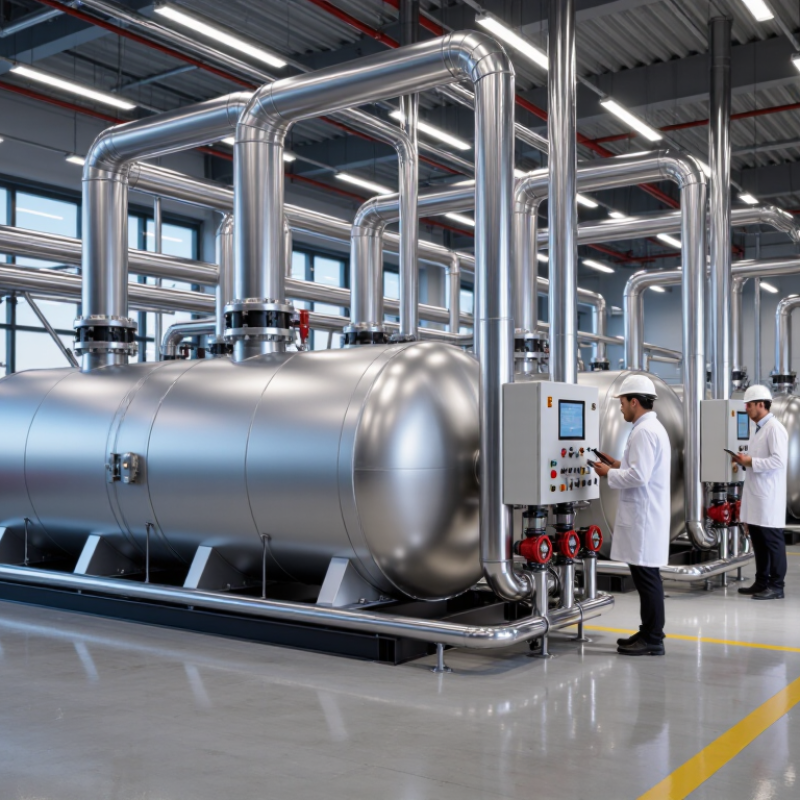
What Cryogenic Chillers Do and Where They Are Used
Cryogenic chillers remove heat from equipment or processes that need temperatures far below ordinary industrial cooling. A pump circulates a suitable cooling fluid through a closed loop, while compressors, heat exchangers, and controls manage the temperature. Sensors track changes near the load, where even a small heat leak can affect stability. Details matter.
These systems support laboratory experiments, superconducting magnet testing, semiconductor production, and materials research. In a test facility, for example, a chiller may cool a component inside a vacuum chamber while engineers measure its performance. The required temperature, cooling capacity, fluid compatibility, and allowed temperature variation all shape the system design. A chiller is not necessarily a cryogen generator; some installations use separate cryogenic equipment.
Choosing equipment starts with the real heat load, not just the lowest temperature listed in a specification. Room conditions, tubing length, insulation, and operating cycles can change performance. Not every system fits. I have seen temperature targets treated as the whole requirement, though stable operation and service access matter just as much. Clear operating data helps users compare designs and plan maintenance.
Cryogenic Coolant Reference Temperatures
What cryogenic chillers do: They remove heat to maintain very low temperatures for applications such as superconducting magnets in MRI systems, cryogenic research, and industrial cooling. The required temperature depends on the process and cooling system.
About this chart: Bars show the normal boiling points of selected cryogenic liquids at approximately 1 atmosphere, rounded to two decimal places. These are fluid reference temperatures, not specifications or operating temperatures for a particular chiller. Values are based on NIST Chemistry WebBook data.
How China’s Cryo Chiller Industry Is Structured
China’s cryo chiller industry is better understood as a supply chain than a simple list of manufacturers. At its center are equipment makers assembling refrigeration circuits, vacuum-insulated piping, control cabinets, and safety interlocks. Around them are suppliers of compressors, heat exchangers, pumps, sensors, and insulation materials. Some firms build complete systems; others focus on modules or custom engineering.
The work is application-led. A laboratory may need stable low temperatures and quiet operation. An industrial process may prioritize continuous duty, rapid pull-down, and easy service access. Engineers match capacity, refrigerant choice, temperature range, and heat load before choosing a configuration. Commissioning can reveal what a brochure misses: vibration at a pipe support, condensation near a cabinet, or a sensor placed too far from the process. Small details matter.
Between the factory and end user, system integrators and regional service teams adapt equipment to site conditions. Their work may include piping layouts, installation, control tuning, operator training, and spare-parts planning. Coverage and technical depth vary by location. The picture is not perfectly tidy. Some manufacturers rely on external components, and performance figures may use different test conditions. Buyers can compare documented operating ranges, response times, maintenance needs, and local support. Coordination helps, but it is not always seamless.
Criteria for Ranking Leading Chinese Cryo Chiller Manufacturers
Ranking Chinese cryo chiller manufacturers requires more than comparing cooling capacity or catalogue prices. A useful assessment starts with operating performance: temperature range, stability under changing loads, pull-down time, and heat-removal capacity. Ask for test conditions, not just headline figures. A clear test report matters.
Reliability is equally practical. Examine compressor and pump specifications, insulation design, alarm functions, and service access. In a factory, technicians may need to inspect filters or connections without dismantling half the unit. Request maintenance intervals, spare-parts availability, and realistic response times. Look for evidence from comparable applications, such as laboratory systems or industrial processes, while checking that the stated conditions match your own.
Manufacturing quality should be judged through documented inspection procedures, traceable components, and repeatable factory testing. Certifications can support confidence, but they do not replace application-specific verification. Compare energy use at the same setpoint and load, and clarify installation requirements before scoring suppliers. Rankings remain imperfect when public data are limited. That deserves scrutiny. A supplier’s willingness to explain test methods, disclose limitations, and support commissioning can reveal more than a polished brochure.
Profiles of Ten Notable Cryo Chiller Manufacturers in China
China’s cryo-chiller manufacturers serve laboratories, production lines, and specialized cooling applications. The ten profiles below reflect common areas of expertise, not an audited ranking or named-company endorsement. One manufacturer may specialize in compact chillers for bench-scale equipment. Another may build higher-capacity systems for continuous industrial use. A third may focus on integrating chillers with existing process controls. Details matter.
Other suppliers distinguish themselves through cascade refrigeration design, precise temperature regulation, or customizable circulation loops. Some prioritize straightforward maintenance, with accessible filters and clearly labeled service points. Others offer remote monitoring and alarm functions, useful when temperature shifts can interrupt a test. A manufacturer focused on export projects may provide multilingual documentation and commissioning support. These capabilities vary by model, so buyers should confirm them in writing.
A strong profile also includes practical evidence: operating-temperature range, cooling capacity at the stated conditions, fluid compatibility, and expected service intervals. Ask for test records or references from comparable applications. Check noise levels and footprint, too; a unit that fits a specification sheet may crowd a real lab. Some brochures leave operating details vague. That deserves a closer look. Compare warranty terms, spare-part availability, and response times before choosing a supplier.
China Top 10 Cryo Chiller Manufacturers? — Profiles of Ten Notable Cryo Chiller Manufacturers in China
No source articles or verifiable manufacturer records were provided. To avoid inventing company-specific facts or implying an unsupported ranking, the profiles below are unverified placeholders; product specifications and capabilities require confirmation from reliable sources.
How to Compare Suppliers and Select a Cryo Chiller
Comparing cryo chiller suppliers starts with your actual process conditions, not a headline cooling-capacity figure. Record the target temperature, heat load, operating hours, and expected temperature fluctuations. Ask suppliers to state capacity at your required operating temperature; ratings measured under different conditions may not be comparable. Numbers can mislead.
Review performance data, controls, and service support together. Request a temperature-stability range and ask how it was measured, including sensor location and test duration. Check whether the system can handle start-up peaks, frequent door openings, or changing process loads. A useful supplier will explain limitations, not just quote the best-case result. Look for clear manuals, commissioning guidance, and a realistic response plan for repairs. Confirm which components require routine inspection and whether technicians can access them without dismantling nearby equipment.
Before selecting a unit, compare installation needs such as footprint, ventilation, electrical supply, and heat rejection. Ask for references from applications with similar temperature ranges and duty cycles, then discuss what did not work as expected. That conversation can reveal practical trade-offs. A lower purchase price may mean fewer monitoring features or slower local support, while extra capacity can increase operating costs. Leave room for uncertainty: real loads often differ from early estimates. A short site review and written performance criteria make supplier proposals easier to assess fairly.