China Best Laser Cut Aluminum Manufacturers?

Choosing China’s best Laser Cut Aluminum manufacturers requires more than comparing catalogue prices. Buyers must examine cutting accuracy, alloy knowledge, finishing control, traceability, and delivery consistency. A bright aluminum sheet can still fail when burrs remain around a 3-millimeter slot. Small details matter.

The global laser cutting machine market continues to expand. Grand View Research identifies automation, energy efficiency, and high-precision fabrication as major growth drivers in its 2024–2030 market analysis. Aluminum demand is also supported by lightweight transport and renewable-energy applications. The International Aluminium Institute reports that recycled aluminum requires approximately 95% less energy than primary aluminum production. This strengthens the case for manufacturers with dependable scrap separation and recycling practices.

Professor Walter Schulz, a laser-processing specialist associated with Fraunhofer ILT, has stated, “Cutting quality begins with controlling the process window.” That principle separates experienced suppliers from simple metal job shops. The best Chinese manufacturers should demonstrate stable power settings, suitable assist gases, calibrated focus positions, and documented inspection results. ISO 9001 certification helps, but it does not replace production evidence. Ask for dimensional reports, sample parts, and photographs from comparable projects. Be skeptical.

There is no universal winner. A factory suited to thin architectural panels may struggle with thick 6061-T6 components. Public market reports also group multiple laser-cutting applications together, so they cannot prove one supplier’s aluminum performance. This guide therefore evaluates practical capability, engineering communication, quality evidence, and long-term reliability—not marketing language alone.
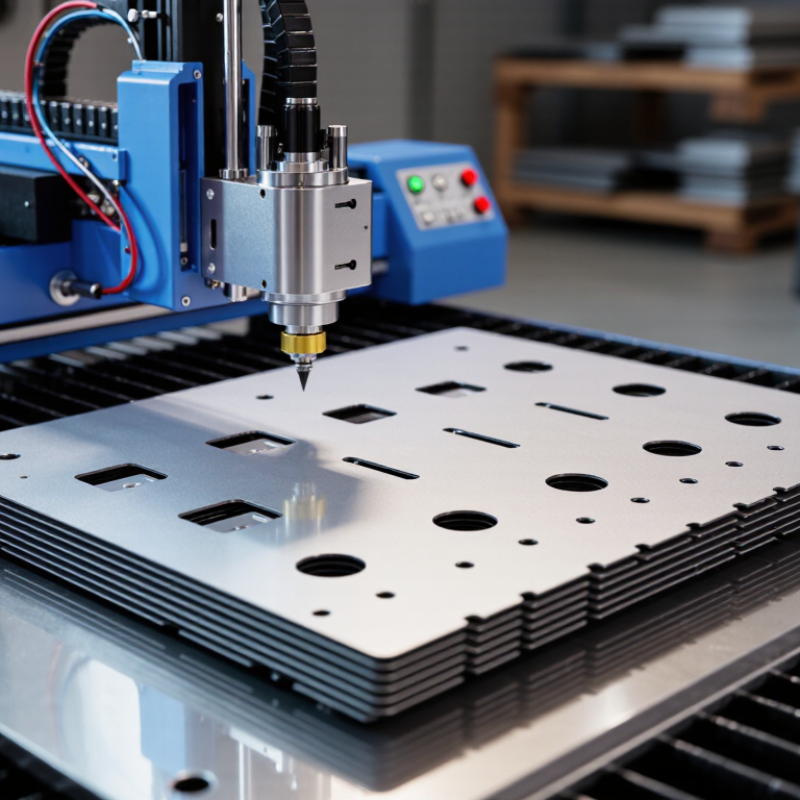
China Best Laser Cut Aluminum Manufacturers?

What Is Laser-Cut Aluminum Manufacturing in China?

What Is Laser-Cut Aluminum Manufacturing in China?

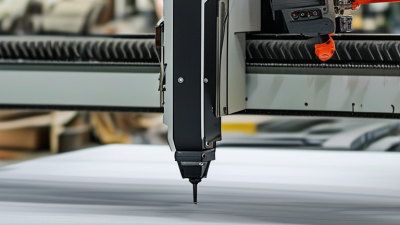
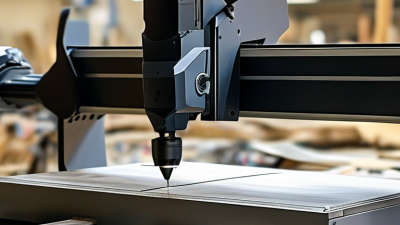
Laser-cut aluminum manufacturing uses a focused fiber laser to separate aluminum sheets, plates, or profiles from digital CAD drawings. The beam melts a narrow path while compressed nitrogen or air removes the material. It can produce clean openings, brackets, panels, and enclosures with limited mechanical force.

In practical production, alloy selection matters. Aluminum 5052 suits formed panels, while 6061 supports stronger machined components. Thickness, reflectivity, heat transfer, and surface film affect cutting speed. The International Aluminium Institute reported about 70.6 million tonnes of primary aluminum production worldwide in 2023. This large supply supports diverse material sourcing in China, but supply volume does not guarantee consistent sheet quality. It is not flawless.

A capable manufacturer checks chemical certificates, thickness, flatness, edge burrs, and heat-affected zones. Operators also review nesting efficiency because poor layouts create unnecessary scrap.

Grand View Research estimated the global laser cutting machine market at roughly USD 5.7 billion in 2023, indicating strong equipment investment. Still, advanced machinery cannot repair unclear drawings or unstable tolerances.

A reliable process needs sample cutting, calibrated equipment, first-article inspection, and documented dimensional results. Engineers should question sharp internal corners, thin bridges, and unsupported features before production begins. That small review often prevents expensive rework.

How Chinese Manufacturers Produce Precision Laser-Cut Aluminum Parts

Producing precision laser-cut aluminum parts in China starts with a controlled engineering review. Experienced manufacturers check alloy, thickness, tolerances, bend lines, and surface requirements before cutting. A clear CAD file reduces costly interpretation errors. It also helps technicians select a suitable fiber laser and cutting path. Small details matter. Hole spacing and edge geometry can change the entire result.

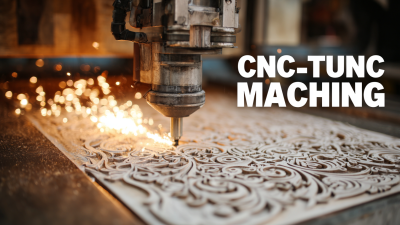
During production, the laser follows programmed coordinates across an aluminum sheet or plate. Nitrogen or compressed air helps remove molten material from the kerf. Operators adjust power, speed, focus, and gas pressure for each alloy and thickness. Aluminum reflects laser energy, so stable equipment and careful parameter testing are essential. Efficient nesting reduces scrap, but the tightest layout is not always the safest choice. Heat can distort narrow sections.

After cutting, workers inspect edges for dross, burrs, taper, and heat marks. Parts may receive deburring, brushing, anodizing, or powder coating according to the drawing. Dimensional checks often use calipers, height gauges, and coordinate measuring equipment. A first article inspection can reveal problems before larger batches begin. No workshop gets every first sample perfect. A hidden bend allowance or incomplete tolerance note can still cause rework. Reliable manufacturers document measurements, retain inspection records, and communicate deviations clearly instead of quietly passing them forward.

China Best Laser Cut Aluminum Manufacturers? – How Chinese Manufacturers Produce Precision Laser-Cut Aluminum Parts

The chart shows the ISO 2768-1 class “m” general tolerances for linear dimensions. These values provide a practical reference when reviewing precision laser-cut aluminum drawings. Tighter tolerances may require process validation, secondary machining, or additional inspection depending on material thickness, geometry, and part design.

Which Industries Use China-Made Laser-Cut Aluminum Products?

China-made laser-cut aluminum products serve many industries because aluminum is light, corrosion-resistant, and easy to form. Architecture uses cut panels for façades, ceilings, railings, and decorative screens. Automotive suppliers order brackets, covers, and interior components with precise openings. Electronics manufacturers need thin enclosures that protect wiring while supporting ventilation. Signage companies also use aluminum sheets for clean, weather-resistant displays.

Renewable energy and industrial equipment depend on custom-cut parts, too. Solar projects may require mounting plates, cable covers, and inverter housings. Food-processing equipment often uses aluminum guards and frames where clean surfaces matter. Medical-device production can use small, burr-free panels, but specifications must be carefully reviewed. A low quote may seem attractive. Yet poor edge finishing, inaccurate tolerances, or weak packaging can create expensive delays. Even experienced buyers sometimes overlook these details.

Tips: Request a material certificate, thickness report, and sample part before mass production. Confirm alloy grade, cutting tolerance, surface treatment, and packing method. Ask for inspection photos from several angles. Do not judge quality from drawings alone. A sample can reveal sharp edges, heat marks, or holes shifted by only a few millimeters. That small error may affect assembly.

How to Evaluate China’s Best Laser-Cut Aluminum Manufacturers

Evaluating China’s best laser-cut aluminum manufacturers requires more than comparing quotations. The International Aluminium Institute reported China’s primary aluminum output at roughly 41 million tonnes in 2023. This signals strong material access, not guaranteed fabrication quality. Ask each supplier for alloy certificates, temper records, and material traceability.

Request test pieces matching your design. Inspect hole edges, heat discoloration, burrs, and bending accuracy under normal lighting. Measure ten critical dimensions with calibrated tools. A reliable factory should provide inspection records, machine calibration dates, and clear tolerance limits. Confirm whether it uses fiber lasers suitable for aluminum thicknesses and reflective surfaces. Cutting speed alone can hide unstable gas pressure or excessive kerf variation.

Quality systems deserve careful checking. The ISO Survey of Certifications 2023 recorded more than 400,000 ISO 9001 certificates in China. Certification helps, but it does not replace process evidence. Ask for first-article inspection reports, corrective-action records, and batch traceability. Packaging also matters; thin aluminum sheets can arrive scratched after excellent cutting. I would test a small paid batch before signing a larger contract. This costs more initially. It may expose weak nesting, inconsistent deburring, or poor communication early. Even experienced buyers sometimes overlook drawing-version control. That mistake remains surprisingly expensive.

China Best Laser Cut Aluminum Manufacturers? – How to Evaluate China’s Best Laser-Cut Aluminum Manufacturers
Evaluation Dimension Recommended Benchmark What to Verify Before Approval Suggested Weight Suggested Score
Material Quality and Traceability Uses recognized aluminum grades such as 5052, 5083, 6061, or 6063 according to the drawing and application. Request material certificates showing alloy, temper, thickness, heat or batch number, and applicable standard. Check whether each production batch can be traced to the supplier’s records. 15% Score 1–5
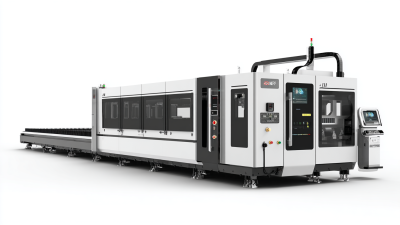
Laser Cutting Capability Fiber-laser equipment is suitable for the required aluminum thickness, format, and production volume. Cutting parameters are documented and repeatable. Confirm maximum workable sheet size, aluminum thickness range, machine power, nesting capability, and whether sample parts can be produced from the specified alloy. 15% Score 1–5
Dimensional Accuracy Parts comply with the drawing tolerances and a clearly agreed general tolerance standard, such as ISO 2768 where applicable. Review first-article inspection reports, calibrated measuring equipment, coordinate-measuring capability where needed, and actual results from a representative sample. 15% Score 1–5
Edge and Surface Quality Cut edges are free from unacceptable dross, excessive burrs, severe heat discoloration, warping, and scratches that could affect assembly or finishing. Define acceptable edge condition in the purchase specification. Inspect sample parts under consistent lighting and verify deburring, brushing, anodizing, or powder-coating requirements. 10% Score 1–5
Quality Management System A documented quality system controls incoming material, programming, in-process inspection, final inspection, nonconforming products, and corrective actions. Check the current quality certificate, internal inspection procedures, calibration records, defect-rate data, and sample corrective-action reports. Certification should be verified with the issuing body when required. 12% Score 1–5
Engineering and Drawing Support Can review CAD files, identify manufacturability risks, recommend suitable tolerances, and clarify bend, hole, slot, and finish requirements before production. Evaluate the quality of drawing feedback, revision control, design-for-manufacturing suggestions, prototype support, and communication between engineering and production teams. 10% Score 1–5
Capacity and Lead-Time Reliability Has sufficient laser, deburring, forming, finishing, and inspection capacity to meet the required quantity and delivery schedule. Ask for a process flow, realistic sample and mass-production lead times, available shifts, planned maintenance practices, and contingency arrangements for equipment or material shortages. 8% Score 1–5
Prototype and Minimum Order Flexibility Supports prototypes, pilot batches, and production orders with transparent setup, programming, tooling, packaging, and inspection charges. Compare prototype pricing, minimum order quantity, sample approval procedure, revision handling, and the supplier’s ability to maintain consistency when moving from prototype to production. 5% Score 1–5
Finishing and Secondary Processing Can coordinate required operations such as deburring, tapping, bending, anodizing, powder coating, brushing, or assembly without compromising dimensional requirements. Confirm process ownership, coating specifications, color or gloss controls, masking methods, bend-radius limits, and inspection after secondary processing. 5% Score 1–5
Packaging and Export Documentation Uses packaging that protects aluminum edges and surfaces during transport and provides accurate commercial and shipping documents. Review packaging samples, moisture and scratch protection, pallet or carton labeling, packing lists, invoices, certificates of origin where applicable, and export experience for the destination market. 3% Score 1–5
Commercial Transparency and Total Cost Quotation clearly separates material, cutting, finishing, inspection, packaging, tooling or setup, freight, and other applicable charges. Compare equivalent quotations using the same alloy, thickness, tolerances, quantity, finish, packaging, delivery term, and payment conditions. Consider scrap control and total delivered cost, not only unit price. 2% Score 1–5
Scoring method: Rate each dimension from 1 (poor) to 5 (excellent), multiply by the suggested weight, and compare the weighted total. A supplier should pass material traceability, dimensional inspection, and quality-system requirements before price is used as the deciding factor.

What Quality, Certification, and Service Standards Should Buyers Expect?

China Best Laser Cut Aluminum Manufacturers?

Buyers should judge laser cutting suppliers by repeatable results, not attractive samples alone. Ask for documented dimensional tolerances, burr limits, surface inspection methods, and material traceability. A reliable factory can provide aluminum grade records, incoming inspection data, and calibration reports for cutting equipment. For critical parts, request a first-article inspection before approving volume production. Check edges closely. Sharp burrs, uneven kerfs, and heat discoloration often reveal weak process control.

Certification should match the project and destination market. ISO 9001 supports structured quality management, but it does not guarantee perfect parts. Environmental certification, such as ISO 14001, may matter for sustainability-focused procurement.

Material certificates, inspection reports, and controlled drawing revisions are equally important. Buyers sometimes overtrust certificates. I have seen paperwork look complete while sample measurements remained inconsistent. That gap deserves attention.

Tips: Send clear drawings with alloy, thickness, tolerance, finish, and quantity. Request a production sample and measure several points, not just one. Confirm how defects are recorded, corrected, and prevented. Service quality also matters after purchase. Evaluate response times, engineering feedback, packaging details, and delivery updates. A capable supplier should explain limitations honestly, including distortion risks on thin aluminum. Fast promises can sound impressive. Transparent limitations are usually more useful.